For Recioto of Valpolicella, a rare red passito wine from Veneto, DOC since 1968 and DOCG since 2010, is entering a new phase of relaunch that will strengthen its visibility and identity. In addition to entering the prestigious circuit of Slow Food Presidia, an absolute primacy for a docg, the Valpolicella Wine Consortium is engaged in a review of its production regulations, aiming to support quality and offer new opportunities to producers. Although current production stands at around 400 bottles, down from approximately 700 before 2010, this dual initiative promises to restore Recioto to the centrality it deserves in the international wine scene, while also strengthening its millennia-old history and connection to the terroir.
The Slow Food Presidium of Recioto will do its part official debut at the Slow Wine Fair 2026 at BolognaFiere, from February 22nd to 24th, where the wineries will present their labels in compliance with the specifications.
A thousand-year history: from dried grapes to the sweet wine of Valpolicella
Recioto has very ancient origins, with references already in the 4th century AD, when Cassiodorus described the Acinatico as a sweet, dense, and fleshy wine, obtained through grape drying techniques. Even Zeno, Bishop of Verona, emphasized the importance of storing wine for a long time, so that its structure and aromas improve as it ages. In the following centuries, the statutes of Alberto I della Scala in 1276 regulated grape harvests and trade, consolidating traditional practices that are still fundamental today. The name itself, Recioto, derives from the Venetian dialect recia ("ears"), which refers to the ripest wings of the bunches, selected for drying and richest in sugars.
Production area and typical vines
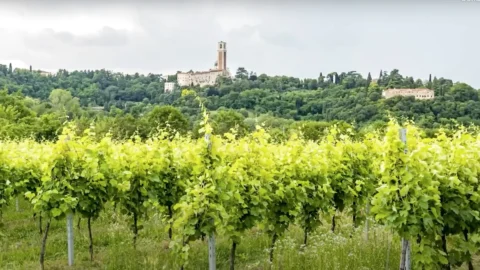
Recioto della Valpolicella is produced in numerous municipalities in the province of Verona, including Marano di Valpolicella, Fumane, Negrar, San Pietro in Cariano, Sant'Ambrogio, Sweet, Verona, San Martino Buon Albergo e lavagno, including the Classico and Valpantena subzones. The vines are trained using espaliers or single- or double-sided inclined Veronese pergolas, and the production regulations call for the use of selected local grapes: Corvina and Corvinone represent 45 to 95%, Rondinella 5 to 30%, and other native red grape varieties up to 25% of the total, with a maximum of 10% each.
Recioto della Valpolicella: production techniques and organoleptic characteristics
While sharing many stages of winemaking with Amarone, Recioto is distinguished by the interruption of alcoholic fermentation, which gives it a unique sweet balance. The grapes, harvested by hand, are selected and dried in a drying room for at least 100 days without forcing, to preserve the natural aromas and sugars. Only the best parts of the bunches, the "wings," are used, while the remaining part, up to 35%, can be used for Valpolicella or Valpolicella Ripasso. winemaking, aging e bottling take place in the municipalities of the area or in authorized factories in the province of Verona, while the sparkling wine production must take place within the Veneto Region. Recioto can be marketed both as still wine be like sparkling wine, labeled Classico or Valpantena. The main grapes offer intense aromas of ripe fruit, cherry, and spicy notes, while the balanced sugar content and aging lend complexity and depth. Historically, Amarone labels bore the words "Recioto Amarone," reflecting the connection between the two wines.
The Slow Food Presidium: protection and sustainability
Seven wineries have joined the Slow Food Presidium, focusing on protecting quality and tradition. The participating companies – Mizzon, Venturini, Roccolo Grassi, Court Merci, The Lady, Giovanni Ederle e Novaia – they adopted a regulation more severe compared to the DOCG regulations, including rules such as no chemical weedkillers, selection of grapes from vines at least 15 years old, low levels of sulfites, and a minimum aging of five years before release, with at least one year in the bottle. The initiative aims to reposition Recioto as a pairing with savory dishes, as is traditional in Verona, and to involve other small producers committed to sustainable practices.
To strengthen production and offer new opportunities to winemakers, the Valpolicella Wine Consortium has updated the disciplinary introducing two innovative typologies: the almond, a cross between Amarone and Recioto, and the Fortified, with the addition of alcohol, a completely new development. This evolution allows us to preserve this centuries-old wine and protect its historical identity, preventing the success of Amarone from overshadowing its tradition.
Events and cultural promotion
Recioto maintains a central role in local traditions. Every Easter Monday in Negrar the Recioto Palio, with tastings and competitions between producers, accompanied by an international under-23 cycling race, which has seen future professional champions like Francesco Moser among its participants. These events strengthen the cultural identity of wine and its connection to the territory.