Rome Baccalà the event that for four years has concentrated attention and passion for that in Rome fast fish of the Baltic to which Paolo Conte dedicated a song in 1992 (“Fast Baltic Sea Fish / says the menu, what side dish does it have? / Corn Cake and then they serve / polenta and cod / poor and humble cuisine / made with ingenuity / fallen into the perfidious whirlpool / of celebrity”) change date, from 22 to 25 June.
A non-random choice, in fact the theme of the fourth edition of Roma Baccalà will be light, the beginning of summer, with its legends, its different festivals around the world. The undisputed stage of the event will always be the Garbatella district. And there will also be another novelty: for the first time, cod enthusiasts will be able to be the protagonists of the event by participating in the popular competition "Bring the mustache we'll give you the square!": amateur cooks and bloggers will be able to organize a cooking show in the square by bringing their own cod or stockfish recipe and a jury made up of journalists and cooks will decide the winner.
An anthropological journey that will touch Norway, where St. Hans is celebrated, the Scandinavian celebration that celebrates light
The schedule of appointments that will animate the Teatro dello Cambio is rich, starting from here on June 22nd with the opening talk "More light for our party" for an anthropological journey that will touch Portugal and Norway, where St. Hans is celebrated, the Scandinavian feast that celebrates light and the beginning of summer with big bonfires and decorations all over the houses. The night of San Giovanni will then be an opportunity to reflect on the parallelism between the festivals of Northern Europe and the Roman festival dedicated to witches, analyzing their points of contact for a journey into the popular rites dedicated to the summer solstice.
On Saturday evening, the Inspirations in the Kitchen area will open its doors with the showcooking by chef Fabio Pezzoli of the Campo de Fiori restaurant in Oslo, with the story andtaste of the Roman-Norwegian fusion cuisine of the stocco, a preview of the usual Norwegian evening by the Norwegian Embassy which will present a new stockfish dish created by the Ambassador's chef Johan Vibe.
During Rome Baccalà 2023 will be realized a new focus on salt, protagonist of treatments related to the preservation of fish and food in general and satellite products of cod such as, for example, cod roe. Among the guests, Mauro Zanarini, head of the Cervia Salt Slow Food presidium.
The debut of Sicily with the stockfish of Messina
The inevitable presence of Ostissimi, the Association of Hosts of Rome and that of new hosts committed to celebrating traditional dishes and new creations. Space to Festivals of Italy dedicated to cod and stockfish: in addition to the exciting Festival of Mammola Reggio Calabria and Catanzaro there will be the Sicily which will debut in Rome Baccalà with Messina stockfish. The gastronomic offer will have a more international flavor also thanks to the presence of kosher and Kurdish cuisine. Replicate the presence of the Calabria Region and its culture dedicated to stockfish in Southern Italy, in their space a parallel program of show cooking and cultural meetings.
“Cod” comes from the Low German word bakkel-jau which means “salted fish” which is a transposition of bakel-jau which means “hard as a string”. The word is used in many Romance languages (sp. bacalao or baccallao, por. bacalhau), while almost all terms in Germanic languages derive from the German word kabel-jau. According to another version, Sebastiano Caboto, on his journey along the coasts of North America in 1509, saw the sea populated by fish that the inhabitants called "codfish"; from this he named those places "land of codfish".
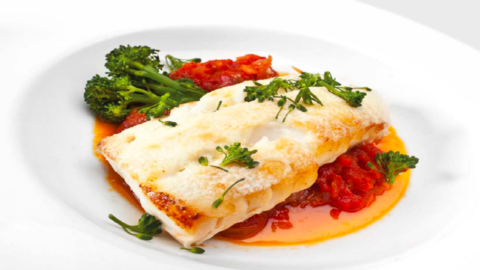
Cod is dried cod, prepared for conservation through a process of salting and subsequent seasoning. The term cod refers only to the northern gray cod (Gadus macrocephalus) and should not be confused with the stockfish or northern white cod (Gadus morhua) prepared for conservation by drying, without the use of salt.