
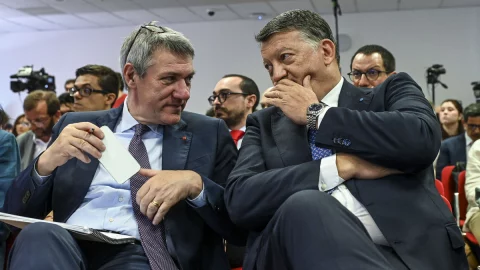
The masters of Italian trade unionism – from Di Vittorio to Lama and Trentin for the CGIL, from Pastore to Storti, Carniti and Marini for the Cisl and from Giorgio Benvenuto, to Enzo Mattina and to Raffaele Vanni for the Uil – we have always been taught that the task of a good trade unionist is not to make the revolution and promise the sun of the future but, more realistically, to fight to achieve agreements concrete measures that improve the living conditions of workers. But don't remind the secretary of the Cgil, Maurizio Landini who dreams of social revolt and who has always signed few union agreements. When he was head of the metalworkers of Fiom signed only one national contract because he was dragged by the then leader of the Fim Cisl Marco Bentivogli and because he needed it as a pass to enter the confederal secretariat of the Cgil. Now history repeats itself and the failure of the Cgil to sign the contract of health workers, in the company of the incomprehensible Uil, is only the latest example. Even Milena Gabanelli, a journalist who goes against the grain Five stars they even wanted to nominate him for the Quirinale, in recent weeks he openly scolded the Cgil to decide to sign the contract after many months to improve the salaries of the nurses and health personnel, but it has gone unheard. The resounding slap she has just received in the referendum on the Jobs Act it doesn't seem to have pushed Landini to the slightest self-criticism but those who lose out are the members of his confederation. Therefore, down from the tower immediately.

Healthcare Contract and Cgil and Uil Reluctant: The Union's Job Is to Make Agreements That Benefit Workers, But Don't Tell Landini
The reluctance of the Cgil to sign agreements is repeated also for the contract of health personnel. Despite the clear defeat suffered in the referendum on the Jobs Act, Landini continues to preach social revolt but those who lose out are the workers who follow him
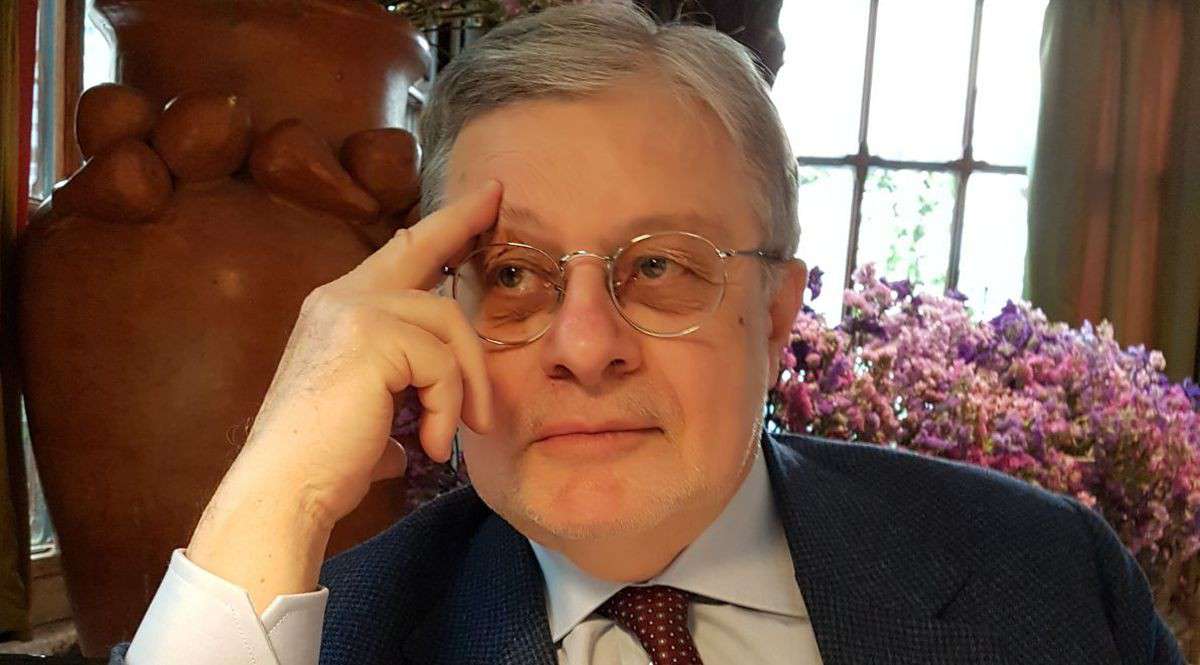
Franco Locatelli
Founding partner, administrator and managing director of FIRSTonline. Milanese by birth, he has always worked between Milan and Rome. He began planning an online journal of economic and financial information the day after its release, in the spring of 2010, from Il Sole24Ore, where he spent more than 25 years, was head of the Finance and Markets editorial staff and columnist and commented on the most important economic and financial events since the mid-2014s. For the publisher Olschki he wrote two histories of local banks in Tuscany, the first of which with the art historian Antonio Paolucci. In XNUMX he published with Ugo Calzoni the essay "Imperi senza dinastie" published by the Massetti Rodella press company. The President of the Republic Sergio Mattarella awarded him the honor of Knight of Merit of the Italian Republic
You might also be interested ...
-

Employment in Europe: Italy held back by demographics and productivity, Spain a growth model. A note from Congiuntura Ref.
-
Enel launches Leadership School: the program to train energy transition managers begins.
-
Poste Italiane offers free vacations for employees and families: 21 "Room with a View" accommodations.
-
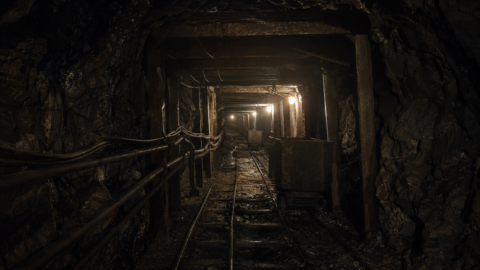
Marcinelle, 70 years since the mine disaster: 262 dead, 136 of them Italians