Autumn is the season for mushrooms. Not only are they a delicious treat for our palates, but they also have—and not many people know this—numerous nutraceutical properties, or recognized health benefits that go beyond simple nutritional value. These effects are due to a variety of bioactive compounds, including polysaccharides (particularly beta-glucans), minerals, vitamins, and antioxidants. Consuming mushrooms significantly supports the immune system, as they exert a significant immunomodulatory effect, regulating and strengthening the body's defenses. This effect is enhanced by the biologically highly active beta-glucan polysaccharides found in the outer shell of mushrooms, which help support the immune system. The beta-glucans found in mushrooms can also help improve blood sugar, cholesterol, and triglyceride levels. Mushrooms are also recognized for their significant antioxidant and anti-inflammatory properties, being rich in phenolic compounds and flavonoids, powerful antioxidants that protect cells from oxidative damage and can counteract oxidative stress and chronic inflammation, the causes of many diseases. Furthermore, the anti-aging potential of mushrooms, attributed to their richness in antioxidants, is a subject of growing interest, while some scientific research indicates that certain mushrooms possess anti-tumor activity.
Known and used since the dawn of time in various cultures, for food, medicinal, magical and religious uses since ancient times - the Aztec and Mayan priests used them in their sacred ceremonies - only at the end of the 800th century did they become an element of scientific research that studied their function as natural antibiotics, their vitamin and mineral content: such as the B vitamins (B2, B3), which support metabolism and the production of red blood cells and minerals such as iron, selenium, manganese, potassium, copper and zinc, as well as precursors of vitamin D.
Due to their low calorie content—being mostly water—they are considered an excellent addition to a healthy diet. However, despite their many benefits, they also have some drawbacks: those suffering from kidney stones or digestive problems should consume them sparingly, due to the mycosin content that can make them indigestible. Children under three should also avoid eating them, and caution is advised for those with allergies, as molds and yeasts also belong to the mushroom family.
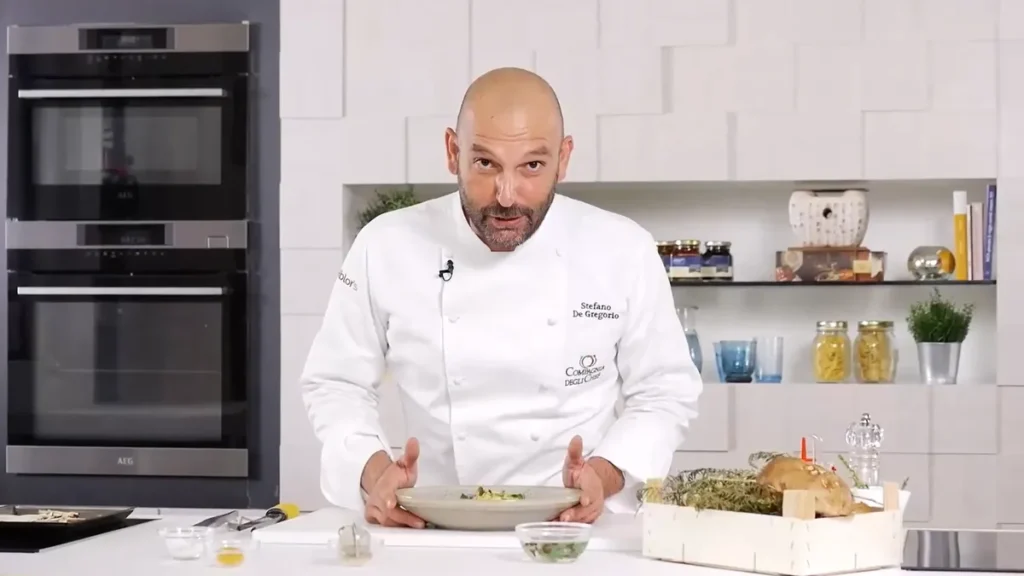
Chef Stefano De Gregorio, known to the general public under the pseudonym ChefDeg, today offers a gourmet recipe, in different consistencies starting from very few ingredients and following just as many steps.
We begin by roasting the mushrooms in a pan with a clove of garlic and extra virgin olive oil. Separately, we bake others in the oven until they're well toasted and become part of the mascarpone and black garlic cream. The third consistency comes from the fresh mushrooms, which are very delicate and bring out the natural flavor of the product. The fourth consistency is obtained from the powder, obtained by drying the mushrooms in the oven for several hours at moderate temperatures. They are then blended and filtered to obtain a very fine powder.
The recipe: pan-fried porcini mushrooms, Jerusalem artichoke cream, mascarpone, and black garlic
Ingredients
500 g of porcini mushrooms
150 g of mascarpone
200 g of Jerusalem artichoke
four marinated egg yolks
black garlic
savory
as much vegetable broth as needed
salt and pepper
extra virgin olive oil
Preparation
Start by roughly chopping the Jerusalem artichokes, placing them on a baking sheet, adding a little oil and herbs (in this case, savory). Roast them at 220°C (420°F) or 230°C (440°F) for 35-40 minutes. Meanwhile, clean the mushrooms—it's best to rinse them under running water—by removing the soil, then brushing them with a brush or a clean cloth dampened with cold water to remove all the dirt. Now it's time to prepare the porcini mushrooms, which should be cooked on one side, while the other should remain raw. Roughly sliced portions of them are then cooked in a pan with a drizzle of oil—not too much, otherwise the mushrooms will look fried—and a clove of garlic, along with a sprig of savory. Finely chop the remaining mushrooms, season them with a drizzle of oil and a pinch of salt, and let them marinate. We take the Jerusalem artichokes that have been well toasted and put them in a blender together with mascarpone, black garlic, vegetable broth, salt, pepper and a drizzle of oil, creating a cream that we filter through a sieve.
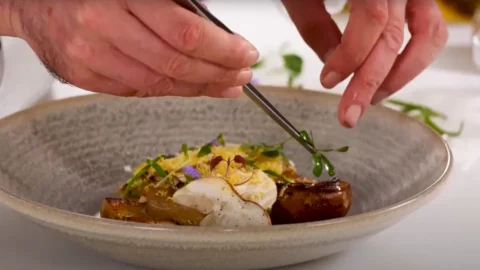
Now arrange the cooked mushrooms on a serving platter, pour the Jerusalem artichoke sauce over them, then a layer of fresh mushrooms, season with salt flakes and bay leaf oil. Sprinkle the dried porcini mushroom powder over the top. Finally, grate the egg yolk, previously placed between two layers of salt and refrigerated for five to six days, over the mushrooms, and drizzle with extra virgin olive oil. Garnish with herbs and a few flower petals, and autumn is ready to be served.