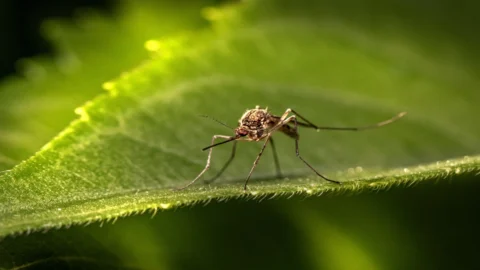
It is West Nile fever or simply, in Italian, the West Nile fever: the disease "of the moment" that is causing so much concern in Italy and Europe due to the increase in cases in recent days and especially due to the news of deaths, given that this virus, transmitted by the bites of infected mosquitoes, can strike asymptomatically or in most situations manifest itself with mild symptoms, but it can potentially be very dangerous and even lethal.Mario Negri Institute, founded by Silvio Garattini The president of the association, highlighted the problem in a recent study. It should be remembered that the first cases in Europe this year were reported in France, but inevitably, news of the first Italian victims quickly arrived: the first was an eighty-year-old from Moncalieri (Turin), but then there were also deaths in Rome and its province and in Campania. Until a few days ago, it was precisely in Lazio that the majority of West Nile cases had been recorded: 21 out of 32 certificates in Italy from the Istituto Superiore di Sanità, all in the province of Latina. The peak of cases is expected after mid-August and already today throughout Italy it is estimated that the infections are actually at least 10 thousand, most of them asymptomatic.
West Nile: Is West Nile Fever Really That Scary?
At the moment, this virus similar to dengue (which in turn can be asymptomatic or lead to very high fever and death) does not seem to be a cause for concern, given that beyond its exotic name and lack of awareness, it is not the first time it has spread during Italian summers, nor the first time it has caused a significant number of victims: in 2024, were 460 in our country the confirmed cases of West Nile Virus infection (61 in the period 22-28 August alone), of which 272 with involvement of the central nervous system (neuro-invasive form), 20 deaths; in 2023 the deaths had instead been 27, 166 cases; the year before – the 2022 – they registered 37 deaths out of 723 casesThe risk, if anything, is that this year, with the peak yet to arrive, higher numbers could be recorded, also because unfortunately the precautions we saw for example in the Covid era do not exist: it is not enough to protect oneself and isolate oneself from others, because transmission occurs only through mosquito bites, as in the case of dengue, yellow fever, malaria, chikungunya, zikaAnd there are no vaccines or specific therapies either.
The only ways in which can humans get infected? These include blood transfusions, organ transplants from infected donors, and transmission from mother to child during pregnancy and breastfeeding. In general, it's important to be careful not to expose yourself to mosquito bites, and we already know how: mosquito nets, repellent sprays, mosquito repellents, but also wearing long shirts and pants in high-risk areas, emptying stagnant water from flowerpots and plant saucers, and frequently changing the water in dog, cat, and other pet bowls. According to experts, however, the danger is that due to climate change, viruses like West Nile could increasingly make inroads even in countries like Italy. Europe In fact, up until now the outbreaks have been sporadic: since the first detection in 1998, 2018 was the year with the highest number ever so far of deaths, 92.
Experts fear that the climate change It could increase the spread of this disease in less common places, or bring it to new locations. The higher temperatures rise, the better mosquitoes reproduce in previously inhospitable areas, and the faster the virus spreads. climate factor human movements are added – through international travel – and those of birds: the seasonal movements of migratory birds in fact, they play a key role in the spread of West Nile viruses.