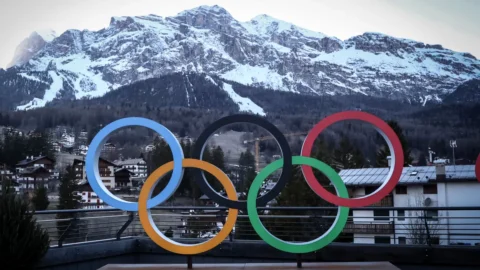
There is very little left until the start of the Winter Olympics: from the 6 to the 22 February 2026, Milan, Cortina and the main Alpine resorts of Northern Italy will host over 3.500 athletes and Paralympians, with delegations from 90 countries and an estimated global audience of 3 billion people. But while the facilities are ready and the calendar defined, the question that accompanies every major event remains the same: how much will they cost What are these Games really and what will they leave for the country when everything is over?
Closing the accounts today is not easy. Construction is still ongoing, the budget has undergone several adjustments, and the true "legacy" will only be seen after the tenders. In the meantime, analyst e rating agencies they started to trace a first balance, offering clear numbers on costs and investments.
How much do the Milan-Cortina Olympics cost?
According to the updated assessments of S&P Global Ratings, the organization of the Games is worth overall between 5,7 and 5,9 billion euros, equal to approximately 0,3% of the national GDP. A significant figure, but far from the most lavish editions of the past: for comparison, Sochi 2014 exceeded $50 billion.
La public spending covers approximately 63% of the total, but the burden is not evenly distributed. It is mainly the State that finances the operation: the Government supports 92% of public investments and operating costs, while the Italian Regions host countries (Lombardy, Veneto and Alto-Adige) contribute 7,6%. City of Milan It will have a marginal impact, with an expected impact of approximately 5% of operating revenues, a very different scenario from the one that put Turin's accounts under pressure in 2006.
Olympic Investments: More Roads Than Stadiums and the Anti-Waste Plan
A surprising element emerges from the analysis of the numbers: the Games have funded more roads, railways and connections that industrial plants SportsOf the nearly six billion total, approximately four billion are earmarked for permanent infrastructure, designed to last well beyond the two weeks of competitions. Only a portion of the sporting projects are strictly necessary for the competitions; the majority fall within in the inheritance destined for the territories.
To keep costs down, the organizers followed a specific line: reuse where possible instead of building from scratch. In Milan, the speed skating competitions will be held at the Fiera, while in Cortina and Predazzo the facilities have been modernized. new structures they exist, but they are often financed by private individuals, such as the Porta Romana Olympic Village—slated to become a student residence—and the Santa Giulia hockey arena. The Cortina Village, costing approximately €40 million, is also part of a local development project.
Milan-Cortina Olympics: Cost Overruns and Budget Management
As often happens with major events, the initial budget for the 2026 Winter Olympics has been exceeded. S&P estimates a exceedance close to 80%, due to inflation, rising energy prices, and design changes over time. Despite this, the agency still considers the event manageable and, in terms of expenditure, lower than major past events such as Expo Milano 2015. Much of the extra costs could be compensated from the increase of visitorsInternational travel to Northern Italy is expected to grow by up to 160%, generating approximately €2 billion in consumption, transportation, and food services. To support tourism, the government has allocated an additional €200 million, while a tourist tax increase has been introduced in municipalities near the venues, half of which will go to the state.
Tourism and its economic impact: visitors, consumption, and new tax revenues
For the audience, the experience will be challenging and expensive: according to Altroconsumo, a weekend in the main locations – Milan, Cortina, Valtellina and Val di Fiemme – will cost an average of 1.800 euros for two people, with peaks exceeding 3.000 euros in Cortina. According to a study by AlmawaveTotal visitor spending on hotels, restaurants, and transportation could exceed €291 million, with average nightly rates reaching €1.752 in Cortina and €412 in Milan for the opening ceremony. So much so that the event hasn't yet sold out.
In addition to the visitors, the economic benefits will also affect the local productive fabric. Second Bank IfisThe tourist flow could generate over €2 billion in added value from direct consumption and services, concentrated primarily in Lombardy, Veneto, and Trentino-Alto Adige. A key role will be played by the vast network of small and medium-sized businesses, many family-run and led by women and young entrepreneurs, for which the Games represent a concrete opportunity for visibility, growth, and new investment.
The real challenge after the Milan-Cortina 2026 Games
The real challenge will begin after February 22nd: what will remain to the territories? If the infrastructure works, the connections are better and tourism continues to grow, then the nearly six billion spent will have produced real value. S&P analysts but they remain cautiously optimists: no extraordinary long-term economic legacy is expected, but for areas like the province of Sondrio the Games could become a lasting opportunity for promotion and development.