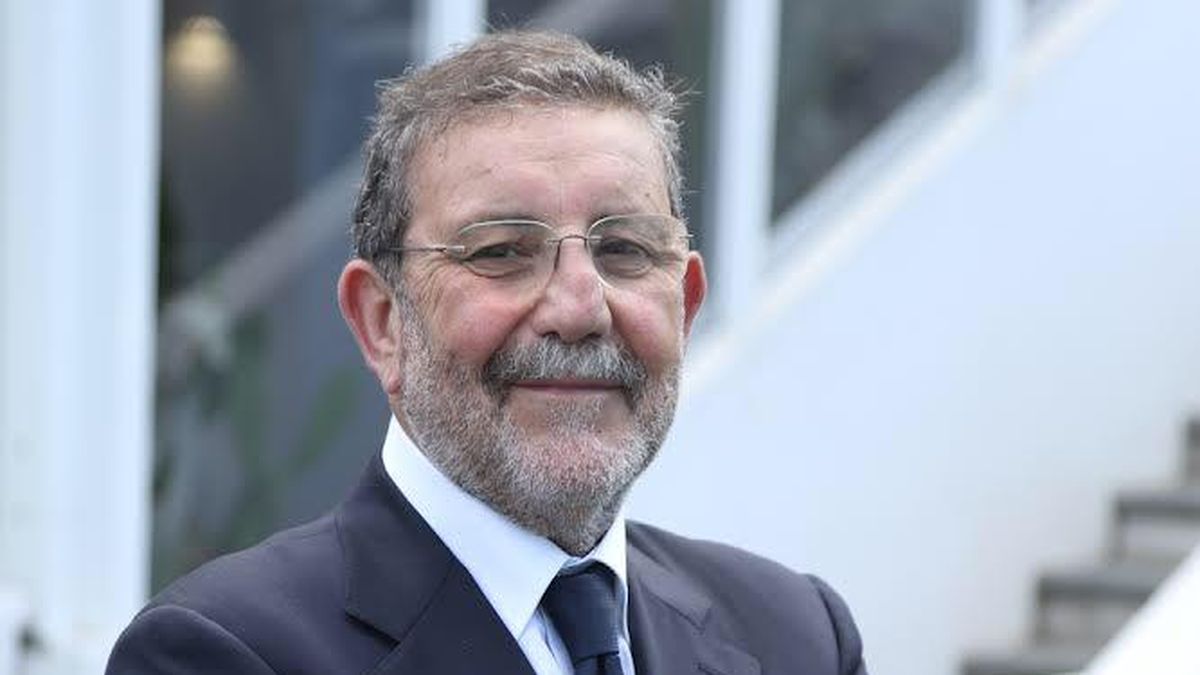
The general assembly of Elettricità Futura, the main association of the Italian electricity sector adhering to Confindustria, has acknowledged the will of Agostino Re Rebaudengo to leave the presidency. The mandate expired in 2026, but King Rebaudengo decided to make room for a new president. Voluntary or induced act? There are many “rumors”. The assembly gathered in Rome also took note that the procedure to identify the next president has already been started. The issue of the change at the top had been on the table for days. But the assembly recognized King Rebaudengo “the sensitivity of having been able to interpret the internal discussion recently requested by 8 companies among the more than 500 associates”.
Electricity future and the clash on the transition
Evidently the discussion developed around Elettricità Futura's ability to continue to grow the electricity sector. Enel, Edison, A2A, Iren, Sorgenia, they would have been the ones to ask for the change of pace. According to some journalistic reconstructions, the presidency of Re Rebaudengo would have clashed with that of the president of Confindustria Emanuele Orsini. In short: the first too convinced of the green transition, the second much less green. The official report of the association says that the members who attended the meeting appreciated the work of the outgoing president. But it seems only bon ton institutional to cover different visions not extraneous to politics. In any case they close four challenging years in the midst of programs on energy evolution supported by public funds, but also opposed by measures of the executive that the electricity companies fought. "We faced first the consequences of the coronavirus health emergency and then the impacts of the energy emergency, we witnessed the lowest and highest electricity prices in history since the post-war period and the succession of three different governments", said Re Rebaudengo.
Former president of Assorinnovabili – later to become Elettricità Futura – the manager leaves a growing association with an electricity plan through 2030 that aims to ensure the country 80 GW of renewables. Giorgia Meloni and his ministers did not adequately support that plan, as industrialists requested, and a very tough battle began. Once again, it is a mirror of the country. Orsini, for his part, made no secret of his opposition to the green choice of Elettricità Futura: “Transitions like these cost and will cost the country system thousands of billions,” he said when he took office at the top of Confindustria. The association, meanwhile, was going headlong against the government for the provision on suitable areas or other initiatives that slow down decarbonization. In recent years, the association has produced numerous studies that have made the benefits of electrification and energy transition known to the general public. Was he wrong or is that not his mission? All that remains, therefore, is to wait for the election of the new leader and see what will happen to the Electricity Plan for 2030 with 80 Gigawarts of renewable energy. Italy is full of archives of unknown documents. A stone on the future.