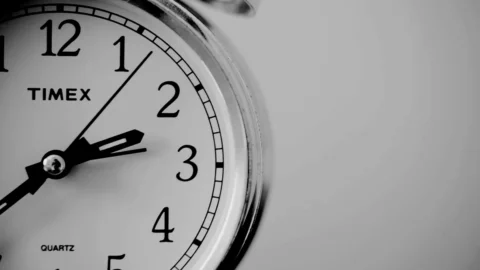
Back todaylight savings time. Next weekend – in the night between Saturday 28 and Sunday 29 March – Italians will have to move their clocks forward by one hour, from 2 am to 3 pmDaylight saving time will remain in effect for seven months, until October 25. Now, according to analyses by Terna, the company that manages the national electricity transmission grid, the return to daylight saving time will result in a saving approximately 80 million euroThis will happen thanks to a lower electricity consumption of approximately 302 million kWh, which are equivalent to the average annual requirement of 115 thousand families.
Daylight saving time and a halt to time changes: savings for the electricity system
It is true that there has been talk of it for some time now. to abolish Changing the time during the year, choosing only one of the two currently used times (solar and daylight saving) and "baptizing" it as a single, fixed time. The debate is still open, and if a consensus is reached, the choice could fall on daylight saving time, which "lengthens" the days and provides significant benefits to the electricity system, reducing consumption.
Terna: Daylight Saving Time: Economic and Environmental Benefits
The decrease in consumption it will also translate into an advantage for the environment, resulting in a reduction in carbon dioxide emissions equal to 142 tons of CO2. The estimated economic benefit for the daylight saving time period in 2026 is calculated considering an average cost per kilowatt-hour of 26,63 euro cents (before taxes) for the "typical protected domestic customer," according to ARERA data for the first quarter of the year.
In recent years, the effect of daylight saving time has been significant: from 2004 to 2025, according to the analysis of the company led by Giuseppina Di Foggia,the overall reduction in electricity consumption was more than 12 billion kWh, with economic savings for citizens of approximately 2,3 billion euros.