Starting from January 1st of this year, buying a train ticket in Italy has the same mechanism as buying a flight: the sooner you buy, the less you pay, regardless of whether the discounted fares are sold out or not. For some time now, Trenitalia customers have also been guided by the rule that buying in advance allows them to access promotions and therefore save money, but now the paradigm is changing, and beyond the offers, it will simply be buying in advance that makes the difference.
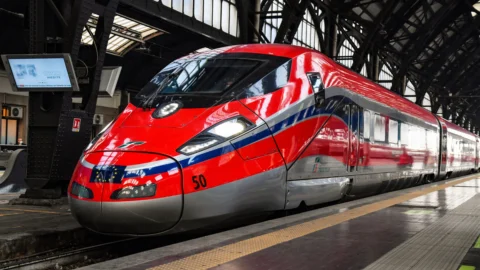
Trenitalia high-speed tickets are now available a new demand-based pricing systemThis is so-called dynamic pricing, which, as mentioned, is already widely used in air travel and other sectors, and which is now also making its way into the Italian railway sector. For now, the new policy applies exclusively to Frecciarossa, Frecciargento, and Frecciabianca trains. and introduces a different logic than in the past: the price of the trip is no longer fixed, but may increase or decrease based on the time of purchase and the level of demand for that specific ride.
Dynamic pricing: here's how it works
When a route, date, or time slot is in high demand, ticket prices tend to rise; conversely, at less crowded times, prices can drop. This model is already used by airlines, hotels, concerts, and sporting events, with the aim of better distributing demand and encouraging purchases during less popular periods. In the case of rail transport, the new system applies only to "market" high-speed services. Regional and Intercity trains are excluded., which continue to follow a tariff regime regulated and supported by public contributions.
Trenitalia's declared objective is fill trains better on less popular days and times, increasing the so-called train occupancy rate. In practice, this incentivizes those who can to travel on Tuesdays rather than Fridays, or at less crowded times, by offering lower fares. This benefits the company in terms of revenue and, potentially, also the more flexible passengers. There's another point Ferrovie dello Stato emphasizes to reassure travelers: there is a maximum price cap, which cannot be exceeded even during periods of peak demand such as Christmas or August.
The company rules out outrageous increases similar to those that often affect domestic flights, where a ticket can cost several hundred euros. FS emphasizes that competition, currently represented by Italo and destined to expand, perhaps as early as 2026, with the entry of the French SNCF.