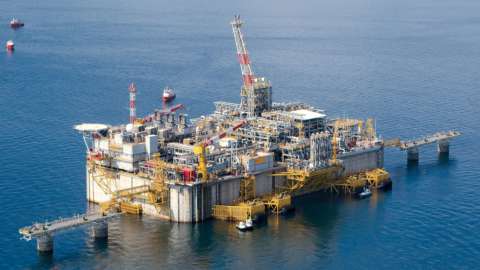
Snam concluded the purchase of regasifier float BW Singapore from Bw Lng for 367 million of euros destined for Ravenna. BW Singapore, which can operate both as LNG ship for the transportation of liquefied natural gas, both as Fsru (floating, storage and regasification unit), has a capacity of storage of approximately 170.000 cubic meters of LNG and a regasification capacity of approximately 5 billion cubic meters per year, we read in a joint note. The finalization of the purchase followed the signing between Snam and Bw Lng on 6 July last year.
The new Fsru will be located 8 kilometers off the coast of Ravenna
The Fsru will be located off the coast of Ravenna, about 8 kilometers away from Punta Marina, and is expected to begin operate during 2025, after the conclusion of the authorization and regulatory process and the installation works. After the infrastructure installed off the coast of Piombino and operational since the beginning of last summer, the second chapter of regasification opens for Snam and Italy.
Venier: together the two Fsru will bring regasification capacity to 40% of demand
“With the finalization of the purchase of BW Singapore” says Snam's CEO Stefano Venier, “Snam takes another important step to guarantee greater security and diversification of Italy's energy supplies, in a challenging and continuously evolving global context. evolution.”Together with the Golar Tundra, whose commissioning in Piombino took place in July 2023, the two Fsru will allow the country's overall regasification capacity to be brought from the current 25% to around 40% of the demand of natural gas nationwide.