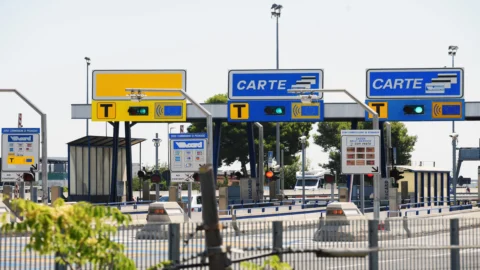
"I motorway tolls will linked to the actual investments madeWe are absolutely certain that there will be a benefit for the users and then tolls will be reduced“. With these words Nicola Zacchaeus, president of the Transport Regulatory Authority (ART), has announced a change to the Italian motorway network.
The new tariff system should enter into force from January 2026, once the final approval is completed, expected in the coming weeks. The most concrete effect, however, it will only be seen starting from 2027-2028, when users will finally be able to see a drop in toll booth costs.
Transparency and Refunds: What's Changing for Motorists?
The riforma is not just about rates. Among the new features there are in fact more stringent transparency obligationsConcessionaires will have to make accessible information on travel times, toll calculation methods, the distribution of electric charging stations and the refueling services available along the network.
Another turning point concerns the refundsIn the event of construction sites that limit the usability of a route, motorists will have right to proportional compensation to reduce service. This measure is designed to protect those who, especially during the great summer exodus, find themselves stuck between endless roadworks and miles-long traffic jams.
The reactions: between enthusiasm and criticism
Consumer associations have welcomed the reform with mixed opinions. For theUnione Nazionale Consumatori This is "excellent news" and an important step forward both in reducing tolls and in the possibility of reimbursements in the event of roadworks.
More critical, however, is the Codacons, which defines the r“insufficient” formAccording to the association, tolls should be based not only on operators' investments but also on the actual quality of services provided. Furthermore, it calls for a system of automatic compensation for service disruptions to ensure greater fairness and transparency for motorists.
More powers for the Authority and new rules for concessions
The reform is part of a broader framework of review of motorway concessions initiated with the PNRR. The ART has indeed seen its powers strengthened: from awarding new concessions to reviewing existing agreements, up to defining economic and financial plans.
Not only that, a mechanism has been introduced that provides for the automatic termination of the concession in the event of serious breaches by the operator, to avoid the distortions of the past.
What to expect in the coming years
The revolution of motorway tolls is therefore ready to start, but the times will be longThe new system will formally come into force in 2026, while tangible benefits for users will only arrive in the two-year period 2027-2028.
For now, Zaccheo's promise remains: fairer rates, more transparency, and greater protection for travelers. This commitment, if fulfilled, could mark a momentous shift in the relationship between motorists, dealers, and institutions.