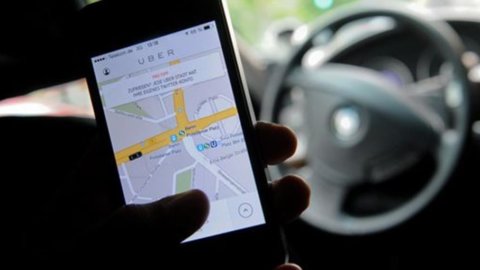
Monday, March 19, 2018 will be remembered as a nightmare day for technology. Besides the scandal that has engulfed Facebook, came the news of the first fatal accident caused by a self-driving car. It happened in Tempe, Arizona, where a woman crossing the street was mowed down by a car Uber. The car was in autonomous mode, but with a real-life driver sitting in the driver's seat for safety, when the woman was shot.
After the tragedy, Uber decided to suspend the tests of autonomous cars in all cities where they are in progress.
"We are collaborating side by side with the local authorities in the investigation of this accident - announces Dara Khosrowshahi, CEO of Uber in a tweet - We want to express all our closeness to the victim's family".
This is a new blow for Uber's autonomous car program, after the legal action launched by Waymo (controlled by Google) on the alleged theft of trade secrets.
But it's also a blow to the autonomous car sector in general. The US federal government has only issued voluntary guidelines for companies that want to test self-driving cars, leaving ample room for maneuver to individual states and opening up a rush to the rules: In 2017 alone, 33 US states introduced regulations for autonomous cars.
Waymo and Uber on Friday urged Congress to change the law to allow for the free movement of self-driving cars.