The Liberals, partners in government for the past four years, are tripping Chancellor Angela Merkel in the hours just before elections in Germany. After the clear defeat of the FDP in the regional elections in Bavaria a week ago, Philipp Rösler and Rainer Brüderle fear they will not pass the 5 percent threshold to enter parliament. Four years ago they had a stunning result of 14,6, percent. Now the latest polls predict only between 5 and 5,5 percent for them. For this reason, the liberals have changed tactics by asking the 61,8 million Germans who vote to give them the second vote, i.e. the proportional one for the party. This tactic has always worked in the past. But this time the chancellor said no. “All 2 votes to the CDU,” she said on television.
The reason is clear: Angela Merkel is worried about another party. The new AfD, the alternative for Germany, the anti-euro party, is gaining momentum. Polls see them at between 4 and 4,5 percent, a sharp increase from 2 percent a few weeks ago. And the founders of this new party, born a few months ago, come from the same CDU. They could steal votes from Merkel's party with their program that says “returning to the Deutschmark must not be taboo”. But it's not so much this argument that pulls, rather many Germans like their request not to pay anything more for the ESM bailout plan. "Tax payers don't have to pay the costs of bailout-state politics," their program says. The European Central Bank should stop buying "scrap loans" now.
If the AfD enters the Bundestag, the search for a coalition partner becomes more difficult. So in the end a very boring electoral campaign got moving. The three big polling institutes, Forsa, Allensbach and Emnid, give the CDU first place, between 39 and 40 percent, but it all depends on the other parties. The Germans would like a grand coalition between the CDU and the SPD, as was the case between 2005 and 2009. And according to polls, around a third of Germans have not yet decided who to vote for.
"The hesitant" is the nickname that the economic world has given to the chancellor. His way of not acting, but of reacting, is reminiscent of Helmut Kohl's way of doing politics. It has worked so far because in Germany the economic and euro crisis is not perceived at all. And then just as a national character the Germans fear any change. But the economists who matter almost unanimously make a list of the measures that the new government must decide in order not to make Germany fall:
growth: More jobs and more measures for growth asks Michael Hüther, director of the "Institut der Deutschen Wirtschaft". “We are currently living off the efforts made with the reforms of the 2010 agenda. But it is no longer enough for Germany's international competitiveness”.
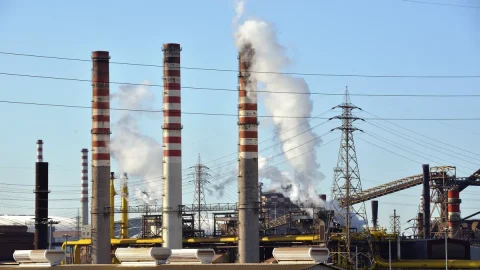
energy policy: After the Fukushima accident, Chancellor Merkel's decision to change course in energy policy and to abandon atomic energy has aroused strong reactions in the industry. The price of electricity will rise sharply from January – both for households and businesses – which affects growth. The BDI, the German Confindustria, has prepared a master plan that the new government should implement immediately. “Stop subsidizing renewable energies (wind, photovoltaics) immediately”, demand the industrialists, their spokesman is Markus Kerber, administrative director of the BDI. In addition, they are asking to create a strategic reserve that comes from coal or gas plants. “Without rapid changes, the too high price of electricity becomes a danger to the economy,” comments the business daily Handelsblatt.
Demographic factor: Lower debts, asks Henrik Enderlein, a professor for political economy at the Hertie School of Governance in Berlin. “Since the Germans will get older and older, the GDP will go down. To combat this situation it must increase productivity.” Enderlein calls for investment in training. “German economic policy does not think enough about the future,” he explains. And Hüther of the “Institut der Deutschen Wirtschaft” points out that there will be a shortage of skilled workforces in the future. This is why Germany is asking young Italian, Spanish and Portuguese Europeans to come and work in Germany.
A tax increase or a reform of the system are necessary for the future of the country, is the conviction of all economists. And just before the polls opened, Angela Merkel reiterated: we will not raise taxes.