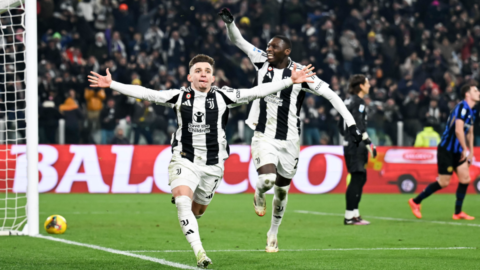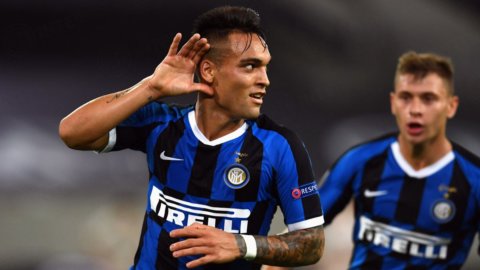
The collapse of Milan. Other than Sunday of Sant'Ambrogio, Milan and Inter come out with broken bones from the matches against Genoa and Udinese and see their goals once again reduced. Difficult, if not impossible, to keep talking about third place in the face of such results.
The same goes for the Rossoneri, in their first defeat of the season away from San Siro and, above all, for the Nerazzurri, still without success under the guidance of Roberto Mancini. Seventh place for Milan, twelfth for Inter: do we need to say more? Sure, the championship is long and up front, Juventus and Rome aside, no one really manages to take off. However, the Milanese seem to be in real difficulty, far from the super performance of the Genoese (tonight it's Sampdoria's turn, engaged in Verona against Hellas) and also from the ups and downs of Napoli (only 2-2 at home with Empoli).
“There was no leap in quality, I regret it – thought Inzaghi. – We could have scored in the first half hour and taken the lead, it would have been a completely different game. But then we conceded goals from set pieces, the sixth in the league. It's a problem we have to solve, but now we're in trouble: on Sunday we'll face Napoli who have only three points more than us”.
Only the standings give the Rossoneri some hope: the game and the results, however, are not. Despite Inzaghi telling the truth (at 0-0 Menez had two balls to give him the lead and, at the end of the first half, the equalizer) the team's maneuver is not convincing. Milan are too predictable, a prisoner of tactical and technical limits that are occasionally hidden by some individuals. But when they don't turn, the opponents find life easy. Antonelli's goal (32') is the umpteenth penalty taken from a set piece: almost a tax for the Rossoneri, who have already collected 6 in 14 games.
If then in front there is a Genoa in a state of grace, that's it. Congratulations to Gasperini's rossoblu (only in third place) but Milan have many faults. It should be underlined how Inzaghi kept Torres on the bench for 90', despite a result to be saved in every way: Pazzini and Niang were preferred to the Spaniard. A signal? "I have so many strikers, I have to try them all" glossed over the coach but the explanation, honestly, is not convincing.
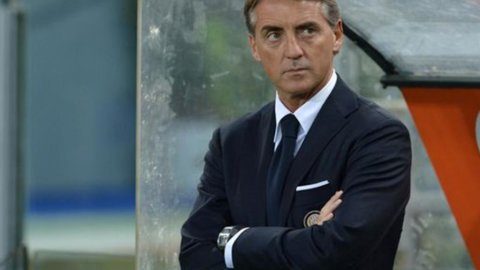
Just like Mancini's Inter, which appeared in difficulty like in Mazzarri's time. For now, the difference is not visible at all and if there were extenuating circumstances against Milan and Roma, that's not the case for last night's match. Udinese didn't steal anything but the Nerazzurri have to recite a mea culpa as big as a house. “I am very angry about this result – admitted Mancini. – Forms don't count, but personality and the desire to win. We did very well in the first half, then we untied ourselves. We should have scored another goal in the first half, then mistakes came and ruined everything."
The 1-2 final, in fact, reflects what we saw on the pitch. Just the advantage of Inter in the first half, as well as the turnaround of Udinese in the second. The fragility of Mancini's men is almost inexplicable, capable of playing well for 45' (goal from Icardi and sensational crossbar from Kovacic) and then melting away like snow in the sun when Bruno Fernandes equalized (60'). The decisive goal is also a beautiful and good gift: Palacio's back pass intercepted by Thereau, for the easiest of goals (71').
This is how Andrea Stramaccioni enjoys, coming out of San Siro with that victory that repays him for so many bitternesses. Partly because Udinese had been without successes since 26 October (2-0 over Atalanta), but above all because, in Inter's time, things hadn't exactly gone the right way. Which leads us to a reflection, also extended to Milan: didn't the problems of the Rossoneri and the Nerazzurri go far beyond the coaches?