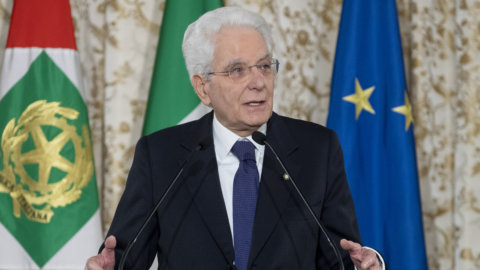
Il end of year speech of the President of the Republic Sergio Mattarella It wasn't just the traditional greeting to the Italians. In fifteen minutes, the Head of State built a real fresco of the eightieth anniversary of the Republic, intertwining historical memory, current events, and future prospects. Peace, youth, the Constitution, legality, and social cohesion were the common threads of a message that directly involved politics. And the response was immediate: from the majority to the opposition, the applause is bipartisan.
Palazzo Chigi takes up the baton: "Italy is authoritative and peace is possible."
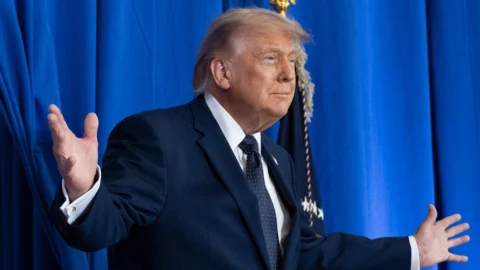
The first reaction came directly from Palazzo Chigi. Immediately after the televised intervention, Giorgia Meloni telephoned the Head of State to express "the Government's appreciation" for a speech that focused on the eightieth anniversary of the birth of the Republic. The Prime Minister insisted onimage of a country that presents itself at that appointment “strengthened by the authority, credibility, and respect” earned over time, the fruit of the “dynamism, courage, and sacrifice of generations of Italians.”
In the meeting, the Prime Minister also reiterated the executive's position on the international scene: Italy, she underlined, "will continue to do everything possible” so that the may peace return “in Ukraine, in the Middle East and in all areas of the world where war has taken over”. But the most political passage is the one dedicated to the youngThe Prime Minister thanks Mattarella for the "encouragement aimed at the youngest", defined as "the engine of change", and calls the institutions to a specific responsibility: towards them “the utmost care and attention must be given”.
The majority stands firm: history, country, dialogue, and responsibility
From the other leading figures of the majority emerges a substantially compact choirThe President of the Senate Ignazio La Russa He speaks of "effective images of national history" capable of evoking "unification, pride and belonging" to an Italy defined without hesitation as a "success story in the world". In his commentary, the reference to the Constitution and democracy is linked to a conception of peace as a “way of thinking”, which cannot exist without “disarming words” and recognizing the other as an interlocutor.
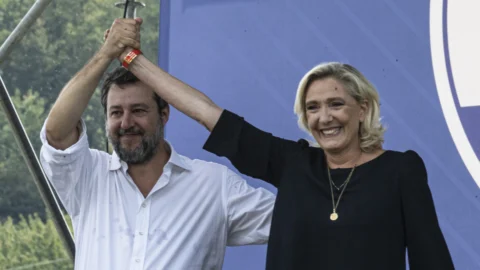
The Matteo Salvini he insisted on the theme, defining the Mattarella's passage "timely and wise" and hoping that it "touches the minds and hearts of those who continue to talk of all-out war." The Deputy Prime Minister also emphasizes the references to the Olympics and home, linking them to a commitment he considers "an honor and a duty" for the government.
The Opposition: Rights, Memory, and "A Better Future"
On the other hand, institutional recognition does not disappear, but the reading focuses more on social rights and fragilities. Elly Schlein thanked Mattarella for having “held together the past, present and future of our country“, recalling the memory of the dark years of terrorism and the importance of preserving social achievements: from public healthcare to the social security system, from the right to housing to fair wages. Peace and closeness to the people those affected by conflicts become, in his reading, part of a “vision of a better future that Italy expects and deserves.”Taking care of our Republic, is the responsibility of all citizens."
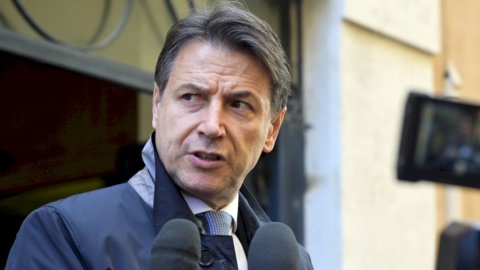
For Giuseppe Conte, the appeal of the Head of State to treasure republican values He sees the Five Star Movement "on the front lines" in defending the unifying values of the Constitution: peace, fair wages, social justice, public healthcare, welfare, and the environment. Conte also emphasizes the appeal to young people, promising a commitment to actively engage them and reject "the degenerations of a political system that judges, insults, or criminalizes them."
Beyond political differences, the President's speech emerges as a common point of referenceIn the mosaic of the eightieth anniversary of the Republic evoked by the Head of State, politics seems to rediscover a simple but challenging truth: "we are the Republic." A call to responsibility that does not limit itself to photographing the present, but calls on institutions and citizens to measure themselves against the future.