Il High component prices put pressure on Xiaomi's finances, While the growth of electric cars is not yet sufficient to compensate for the iweakening of the business of smartphoneThe Chinese group closed the second quarter of 2026 with declining revenues and a sharp decline in adjusted profit, penalized above all by rising memory prices and growing competition in the technology sector. Between April and June, Xiaomi recorded revenues of 108,92 billion yuan, down 6,1% compared to the 115,96 billion of the same period in 2025 and below the 112,2 billion expected on average by analysts.
The Net profit stood at 9,46 billion yuan, approximately 1,4 billion dollars, with a decrease of 20,3% compared to the previous year. The slowdown in adjusted net profit was more marked, falling by 42,6% to 6,22 billion yuan, compared to 10,83 billion a year earlier and below the 6,6 billion expected by analysts.
Xiaomi: Smartphones under pressure, margins plummeting
It is above all the traditional engine of the smartphone to show the more evident signs of slowdownThe division's revenues fell by 7,5% to 42,1 billion yuan, while shipments stopped at 31,2 million units. According to Omdia, this is the second consecutive quarter of decline, and Xiaomi still remains among the top three global manufacturers by shipments for the 24th consecutive quarter. The main factor weighing on the decline is the profitabilitySmartphone gross margin fell to 8,5% from 11,5% a year earlier, while the group's overall gross margin fell from 22,5% to 19,8%.
Xiaomi explained that "significant increases in the costs of key components, including memory, coupled with intensifying competition in the industry, continued to pose a challenge" to its business. The company also cited the geopolitical environment as a factor of uncertainty.
Il increase in the price of memories It hits Xiaomi particularly hard. According to Omdia, more than half of the group's smartphones shipped are priced under $200, making the manufacturer more exposed than other major carriers to rising component costs.
The group continues to try to move your portfolio to higher price rangesThe average selling price of smartphones reached 1.351 yuan, up 25,9% and hitting a new high, signaling the progress of the premiumization strategy despite declining volumes.
Xiaomi: The electric car accelerates, but continues to burn cash.
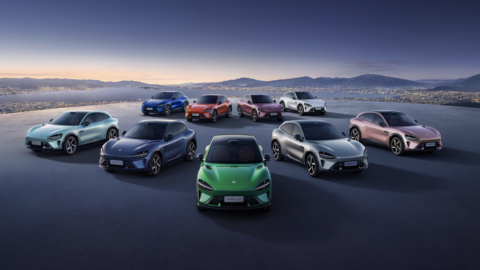
On the other side of the accounts, the weight of electric mobility, one of the sectors Xiaomi is focusing on to reduce its dependence on smartphones. In the second quarter, the group shipped 104.199 vehicles, a 28,2% increase over the previous year. Revenue directly related to electric vehicles rose 15,9% to 23,9 billion yuan, while including artificial intelligence and other new initiatives, the segment's revenue reached approximately 24,9 billion yuan, up 17,1%.
However, the increased scale has not yet translated into profits. Its EV, AI, and new ventures businesses recorded an operating loss of 2,6 billion yuan, while the segment's gross margin fell to 19,2% from 26,4%. Xiaomi attributes the decline to a less favorable product mix, higher component costs, and increased investment in artificial intelligence.
The company continues to focus on the car as one of the pillars of future growth, while the Chinese automotive market remains characterized by particularly intense competition. Xiaomi also aims to enter the European market in 2027.
AI and IoT at the heart of the Xiaomi ecosystem
Investments also remain high on the technological front. Expenditure in Research and development rose 18,9 percent to 9,2 billion yuan during the quarter, with Xiaomi continuing to focus resources on artificial intelligence, automotive, and proprietary technologies. The company explained that it has "proactively optimized" its operations, focusing "on core technological capabilities, including AI," with the aim of strengthening the "Human × Car × Home" ecosystem.
At the end of June, the number of IoT devices connected to Xiaomi's AIoT platform, excluding smartphones and tablets, reached a record high of 1,1608 billion, up 17,4% year-on-year, while global monthly active users rose 4,8% to 766,5 million.
The IoT and lifestyle products division was weaker, with revenues falling to 31,3 billion from 38,7 billion a year earlier and a gross margin falling from 22,5% to 20,1%. The reduction in government incentives in China also impacted the results. Internet services, on the other hand, generated approximately 9 billion yuan, essentially stable, maintaining a very high margin of 76,8%.
The new balance between smartphones, cars, and artificial intelligence
The first half of the year confirms the difficulties. In the first six months of the year, Xiaomi achieved Revenue of 208,1 billion yuan, down 8,4%, while net profit decreased by 37,6% to 14,2 billion and adjusted profit by 42,8% to 12,3 billion.
The numbers thus show Xiaomi in the midst of a transformation. The smartphone business continues to generate a significant portion of revenue, but it faces declining volumes and margins squeezed by the cost of memory and other components. Meanwhile, electric cars are growing rapidly in terms of shipments and revenue, but have yet to reach profitability. The game therefore hinges on the group's ability to sustain the investments needed to build new growth engines while the core business is experiencing a more challenging phase. Electric cars and artificial intelligence are now central to Xiaomi's strategy, but the second-quarter results show that the transition still has a high cost.