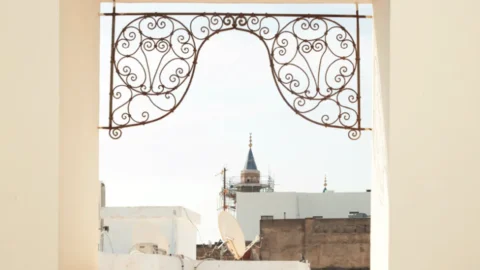
The cities of the plains are those that in the Veneto landscape interrupt the imaginary line that could allow the gaze to wander from the mountains to the lagoon. Just like in thefresco from the Veronese school framed halfway through this film: a “caprice” that portrays an ideal view, free from the clutter of urban centers around which, in modern times, warehouses and factories, bars and service stations have sprung up, which have ended up changing the landscape and the lives of the people who inhabit it.
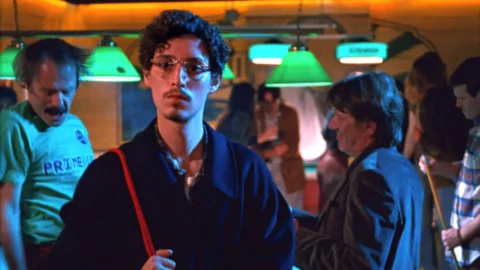
The two mature protagonists of the story – the musician Capovilla at his debut is Doriano and the character actor Sergio Romano is Carlobianchi (yes, all together) are good drinking buddies, and as young people they go on some escapades. the crisis has hit hard, the end of the Northeast miracle as well, and the two are wandering a bit in circles. They meet in a bar and ride through the night in an old Jaguar, the last banner of the better times gone by.
They rack up several drinks until they reach Venice, where, with the clubs now closed, they join a group of young people celebrating one of their friends' graduations. Among them is Giulio, a young architecture student in love with the birthday girl but awkward, and whom Dori and Carlobianchi drag into a night of (healthy) fun. initiation: they are “too old to grow up” but he is not.
It's a film "on the road" and steeped in territory. It perhaps suffers from too much love: so many personal and cultural references of the director like dots that, when joined, form a too schematic drawingThe alcohol is fine – because yes, in Veneto they drink – and the shots of old Venetian biscuit boxes (Angelo Colussi, and the baicoli), but then there's also the joke about the Brionvega television and even the non-actor Pennacchi who, however, makes a good and fitting cameo.
All excellences of the territory, like the Titians, Giorgione, and Tintorettos, whom the director has stated he and his DOP for photography drew inspiration from. And like the Brion Tomb, designed by Carlo Scarpa, where the three end up on a casual pilgrimage: a masterpiece of water and concrete, balanced between heaven and earth, a place to gaze upon in search of solace from the marginality to which existence has been reduced.
Too much weight for a flimsy plot? Too many symbols on fire? For its part, the film has the strength of a story. all-male of a disillusioned provincial generation who, however, literally knows how to drink it up and wean the young man of the trio who will eventually get on the train to Verona to take Giuli(ett)a.
A selection at major international festivals, good reviews and the consistently excellent performance of Filippo Scotti (Sorrentino, È stata la mano di dio) who plays the young student (a “true gentleman from the south”, as they call him at a certain point in the film) they don't improve at all the director's feat, who could perhaps have hidden his tracks better.
Still at the cinema
Production: Italy/Germany 2025, Director: Francesco Sossai, Screenplay: Francesco Sossai, Adriano Candiago, Editing: Paolo Cottignola, Photography: Massimiliano Kuveiller, Main cast: Pierpaolo Capovilla, Sergio Romano, Filippo Scotti, Roberto Citran, Andrea Pennacchi, Running time: 98'.