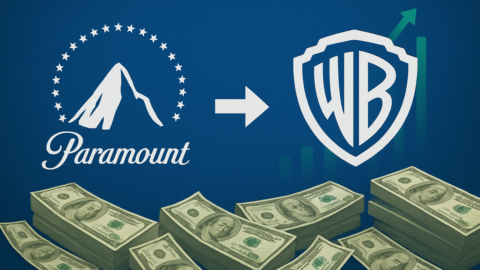
La mega-merger worth 111 billion of dollars between Paramount Skydance and Warner Bros. Discovery ends up at the center of a new legal battle in the United States. Twelve American states they presented a civil case to ask the courts to block the acquisition, arguing that the deal could reduce competition in the media market, increase the costs of streaming services, and limit consumers' choice of movies and TV series. If successful, the appeal could slow down or even halt one of the most significant deals in the entertainment industry in recent years.
The legal action was brought by the attorneys general of Arizona, California, Colorado, Connecticut, in Massachusetts, Minnesota, Nevada, New Jersey, New Mexico, New York, Oregon e WashingtonAccording to the plaintiffs, the creation of a group bringing together two of Hollywood's major studios would risk concentrating an excessive share of the U.S. entertainment market, with negative effects on both the industry and consumers.
A Wall Street Investors remain cautious as they await further developments: in premarket Paramount Skydance shares fell 0,1%, while Warner Bros. Discovery rose about 0,3%.
Why the States Want to Stop the Paramount-Warner Bros. Merger
According to the attorneys general, the merger could reduce the competition among the studios, increase the prices subscriptions to streaming platforms and limit the quantity and variety of contents Added to these concerns are the potential effects on employment and wages in the audiovisual industry, in a market already profoundly transformed by the growth of streaming.
California Attorney General, Rob Bonta, among the promoters of the initiative, argued that the operation could lead to higher prices, less content and a lower quality of the offer, with consequences for spectators, movie theaters, Cable TV operators and industry workers. According to Bonta, the new group would eventually control nearly a third of cable television programming in the United States and a similar share of the American film industry, fueling fears of a dominant position.
The merger has also raised questions about the role of major media groups in the American landscape. At the center of the debate is the Ellison family, owners of Paramount Skydance and considered close to the president. Donald TrumpSome critics say the merger between Paramount and Warner Bros. Discovery could increase the concentration of media ownership in the United States, strengthening the influence of a single group in the news and entertainment sector.
How the merger between Paramount Skydance and Warner Bros. Discovery came about
Negotiations have been ongoing for months. In December 2025, Paramount Skydance launched a hostile takeover bid to acquire Warner Bros. Discovery, effectively calling into question a previous agreement between the company and NetflixUltimately, the streaming platform decided to withdraw from the negotiations, leaving the field open to Paramount.
After months of scrutiny by antitrust authorities, the U.S. Department of Justice authorized the transaction about a month ago. This approval, however, is not final and does not prevent the courts from intervening. Precisely for this reason, the lawsuit filed by the twelve states could still change the fate of the merger.
Paramount-Warner Bros.: Consumers also contest the deal
The objection to the acquisition does not come only from the state authorities. Some also consumers They filed a separate lawsuit, arguing that Paramount could use its new market position to raise prices, reduce the quantity and quality of content, and tighten control over the distribution and licensing of its productions.
These are accusations that Paramount Skydance denies. The CEO David Ellison He continues to defend the project, assuring that Paramount and Warner Bros. will continue to operate as separate studios and that the new group aims to release up to 30 films in theaters annually. According to the manager, the merger will strengthen the company's competitiveness without compromising its competition.
What happens now to the Paramount-Warner Bros. merger?
The lawsuit represents one of the last and most significant obstacles to completing the acquisition. The courts will now decide whether the concerns raised by the twelve states are sufficient to suspend or block the merger, or whether the transaction can proceed.
The decision could have implications far beyond the future of Paramount Skydance and Warner Bros. Discovery. At stake are the balance of the American film industry, the streaming market, and the level of competition among major entertainment groups, at a time when Hollywood is increasingly oriented toward mergers and consolidation.