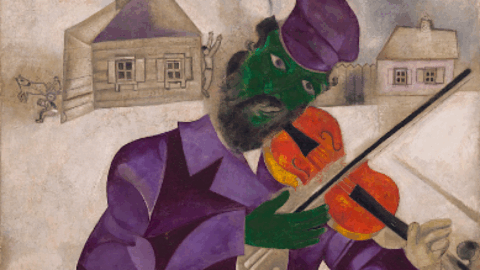
In recent years, the sector of wealth management has undergone significant evolution, moving towards a broader and more multidimensional concept of asset management. From this perspective, the inclusion ofart among the services offered by financial institutions, through forms of art advisory e art investment, represents one of the most interesting and dynamic phenomena of the contemporary panorama (Deloitte, 2023).
Alternative asset
The growing attention towards art in wealth management is linked, first of all, to its nature as an alternative asset. Unlike traditional financial instruments, works of art present a low correlation with stock and bond markets, thus offering opportunities for diversification and risk mitigation (Art Basel & UBS, 2024). Furthermore, in contexts of financial volatility or inflation, art tends to behave as a well shelter, capable of preserving value over the long term. This characteristic explains the growing interest of sophisticated investors and High Net Worth Individuals (HNWIs) in considering art as an integral part of one's portfolio.
How demand grows and develops
According to the Deloitte Art & Finance Report (2023), over 70% of private bankers believe that high-end clients consider art not only as an economic investment, but also as a identity, cultural and intergenerational elementThe phenomenon is particularly marked in emerging economies, where the growth in the number of Ultra High Net Worth Individuals (UHNWIs) It has generated a new demand for personalized services related to collecting and managing artistic heritage.
In parallel, the new generations of heirs They show a greater sensitivity towards sustainability, culture and social impact, thus orienting banks towards a more integrated and value-based offering.
Art and ESG criteria
Art also fits into the framework of ESG (Environmental, Social, Governance) criteria, representing a privileged field for cultural impact investments. Through programs of art philanthropy, family foundations, and patronage, clients can reconcile performance objectives with the valorization of cultural and social capital (Deloitte, 2023). Banks, in response, are structuring consulting services that integrate the artistic dimension into sustainability and corporate responsibility strategies.
Digitalization and Blockchain
Another growth driver for the segment is the digitalization of the art market. Technological innovations, particularly the use of digital platforms, artificial intelligence, and blockchain, have made the sector more transparent and accessible, facilitating the traceability of works and the verification of authenticity (Art Basel & UBS, 2024). This has encouraged greater engagement from traditional investors, reducing the perceived opaqueness historically associated with the art market.
Italian banks that offer this service
- Intesa Sanpaolo Private Banking – service Art Advisory & Real Estate Advisory for the evaluation, conservation, sale and protection of works of art.
- UniCredit Private Banking – collaborates with external experts to offer art advisory and support in enhancing clients' artistic heritage.
- Banca Generali Private – incorporates art into wealth management and estate planning; organizes exhibitions and cultural partnerships.
- Aletti Bank (Banco BPM Group) – offers services of art advisory for private collectors and family businesses.
- Credem Private Banking – integrates the artistic component into estate planning and philanthropic services.
In short, the inclusion of art in the wealth management services offered by banks reflects a profound transformation in the paradigm of contemporary wealth managementIt responds to the growing need for an approach holistic and relational to wealth, in which the aesthetic and cultural dimension takes on a strategic role on a par with the economic one. Art thus becomes vehicle of identity, memory and symbolic value, as well as financial investment, and wealth management is evolving towards a more humanistic and sustainable form of wealth creation and transmission.