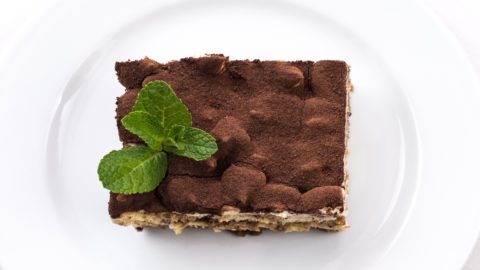
It is the original sweet protagonist of one of the best known Made in Italy agri-food traditions in the world. Her for successful corporate training made with mascarpone, eggs, Italian coffee, marsala, ladyfingers, sugar and bitter cocoa is the most searched by Italians in 2021 on the Google search engine.
And yet, this pride of Made in Italy, His Majesty Tiramisù is betrayed not only abroad but also at home: almost 1 time out of 5 (19%) the original tiramisu recipe is faked to the restaurant using ingredients that have nothing to do with its history.
And here the patrons of restaurants and bars are served variants of Tiramisu that use ingredients that betray tradition: from ricotta to vegetable cream, from soy and oat-based drinks or tofu rice, from seed oil to potato starch , from biscuits to sponge cake to yogurt with the elimination of eggs.
The complaint comes from Coldiretti on the occasion of the International Tiramisu Day which is celebrated on March 21st.
The betrayal of Made in Italy "consumed" also in bars, pizzerias and even at home
A tarot – underlines Coldiretti – which involves all the ambientsi: restaurants, bars, pizzerias, but also home kitchens, with experiments for those who follow vegan diets or simply to offer variations on the theme or to save on the cost of desserts to be offered to customers.
A situation that highlights a dangerous indulgence of national restaurants towards the tourist catchers menus which risks disqualifying the Made in Italy food and wine offer. The situation is certainly worse outside the national borders where it is really difficult to find dessert prepared according to traditional indications. But what is serious is that betrayal often takes place in the homeland where Tiramisù should be considered national pride and therefore revered and respected.
However, abroad our cake is in good company as far as counterfeits are concerned: among the most traditional Made in Italy specialties "betrayed" at the table there are also the carbonara with cream (24%), pasta with pesto proposed with almonds, walnuts or pistachios instead of pine nuts and with the common cheese that replaces the ever-present Parmigiano Reggiano and pecorino romano (23%) or the pasta alla Norma with a cheese other than ricotta salata (19%).
The tiramisu recipe is not present in cookbooks prior to the 1980s. The dictionary of the Italian language Sabatini Coletti traces the first mention of the name back to XNUMX, attributing its origin to the Veneto.
The uncertain and disputed origins
The food and wine expert Giuseppe Maffioli with Annibale Toffolo, in the magazine Vin Veneto, a quarterly magazine of wine, grappa, gastronomy and various humanity of the Veneto region of 1981, historicize the preparation of the dessert between the end of the 60s and the beginning of the 70s, locating it at the "Alle Beccherie" restaurant in Treviso, managed by the Campeol family, by a pastry chef who had worked in Germany, Roberto "Loly" Linguanotto, who wanted to recreate the types of desserts seen in his experience abroad Maffioli identified tiramisu among the Hapsburg-style spoon desserts, even if, essentially, he defined it as a variant of the trifle. Roberto Linguanotto, in an interview, states that the first recipe derives from the "sbatudin", a mixture of egg yolk beaten with sugar, commonly used by peasant families as a tonic, to which mascarpone was simply added. Food and wine experts Gigi Padovani and Clara Vada Padovani agree that Linguanotto's recipe was the first to be codified in a book in 1983.
However, there are other restaurants in Treviso. However, there are other restaurants in Treviso to which the paternity of the dessert. One version concerns the restaurant “Al Camín“, with the creation in the mid-50s by the chef Speranza Bon of an 'imperial cup' made with the classic ingredients of tiramisu, but not called by that name; another version shifts the origin instead to the hotel “Al Fogher”, neighbor of the restaurant "Al Camín", later opened by Speranza Bon and her husband Ottorino Garatti. There is also a dispute over the origins “El Toula”.