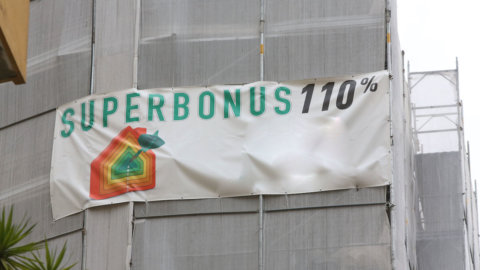
Can you think of the ecological transition without Superbonus 110%? The controversies around the granting of incentives to improve the efficiency of homes find an answer in a research by Nomisma and Ance Emilia Romagna. The most sensational news is that every euro invested in the Superbonus 110% generated more than three. Enea, which by law monitors the trend of spending and the progress of the works, has ascertained that to date 147.242 construction sites have been closed.
The Superbonus 110% is therefore an indispensable strategy within the national ecological transition. The positive effects should condition the choices of politics which cannot be divided around facilitating instruments. Obviously, scams and expedients to extract funds without efficiency are a completely different story.
The Superbonus 110% set 124 billion in motion
In convention Bologna during which the research was presented, it was highlighted that the Superbonus 110% generated an economic value of 124,8 billion against the 38,7 billion already invested. The measure, moreover, is carrying environmental and employment benefits. On the first front, there are steps forward in the abatement of CO2 generated by the building industry. As for the second, the entire construction world aggregated to Ance, since the beginning of the Superbonus, has had 410 more employees; another 224, on the other hand, are those linked to related industries, with a current positive balance of 634 more employed persons.
In short, Italy is not doing badly in the energy improvement, both of the condominiums and of the villas. “We believe it is essential that the 110% expansionary measure does not burden public finances but rather improves them by generating wealth, employment and well-being for citizens, significantly contributing to raising the GDP,” says Leonardo Fornaciari, President of Ance Emilia Romagna.
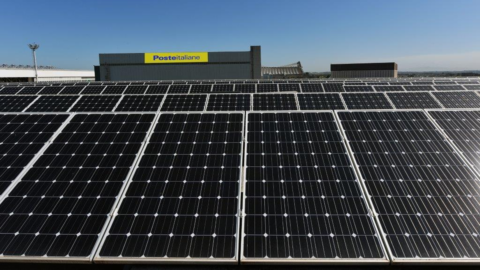
To reject the routine of wasting public money, Nomisma has calculated that those who have installed thermal insulation and photovoltaic panels will enjoy an average saving on electricity bills of 500 euros a year. And then from North to South 106 million kilowatt hours are already being produced cleaned with a forecast of an additional 37 million for the construction sites still in progress.
Superbonus 110%: the builders are asking for it to become structural
The data - the builders repeat - show that the cost of a Superbonus 110% intervention is already covered for half by the revenue generated by the construction site. If the related activities are added to these, the balance is clearly positive. The real estate assets to be restored and which consume a lot of gas and oil is the other side of the process. The facilitations for restructuring affect the containment of land use and on lower investments for related services and infrastructures. The higher value of the beneficiary properties is evident. The builders in their battle also take it out on disinformation, that kind of greenwashing that has created "enormous problems for businesses, for employment and for millions of Italian families who see their jobs blocked", adds Fornaciari.
Will the Superbonus 110% become structural? The construction world thinks so and is moving towards this, as it deems it urgent and a priority to get the credit transfer market back on track. But between the expectations of the industrialists and the political manoeuvres, the government crisis has entered aid decree, which precisely for the Superbonus 110% does not provide for an extension. On the other hand, Draghi has never concealed his doubts about the general application of the provision conceived in 2020 by the Conte government.