Europe and North America are the two areas of the world where the most food is wasted: according to FAO data, we have the lead in industry, with almost 200 kg of waste per capita per year; North America, on the other hand, excels in terms of consumers, with around 100 kg per capita per year which bring – between North America and Oceania – the total food waste thrown away to almost 300 kg per person, every 12 months. A crime, above all if one considers that today half the planet is in quarantine, forced to find food among a thousand limitations, and that in Italy in particular the phenomenon of unharvested food is also emerging, due to a lack of seasonal labor in the fields. In our country, according to the somewhat old (2010) but nonetheless indicative data of the European Parliament, every year each of us wastes 179 kg of food, much more than Slovenia's 72 kg but also much less than the Netherlands' 541 kg.
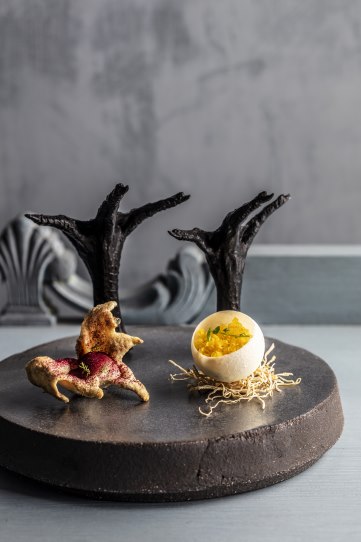
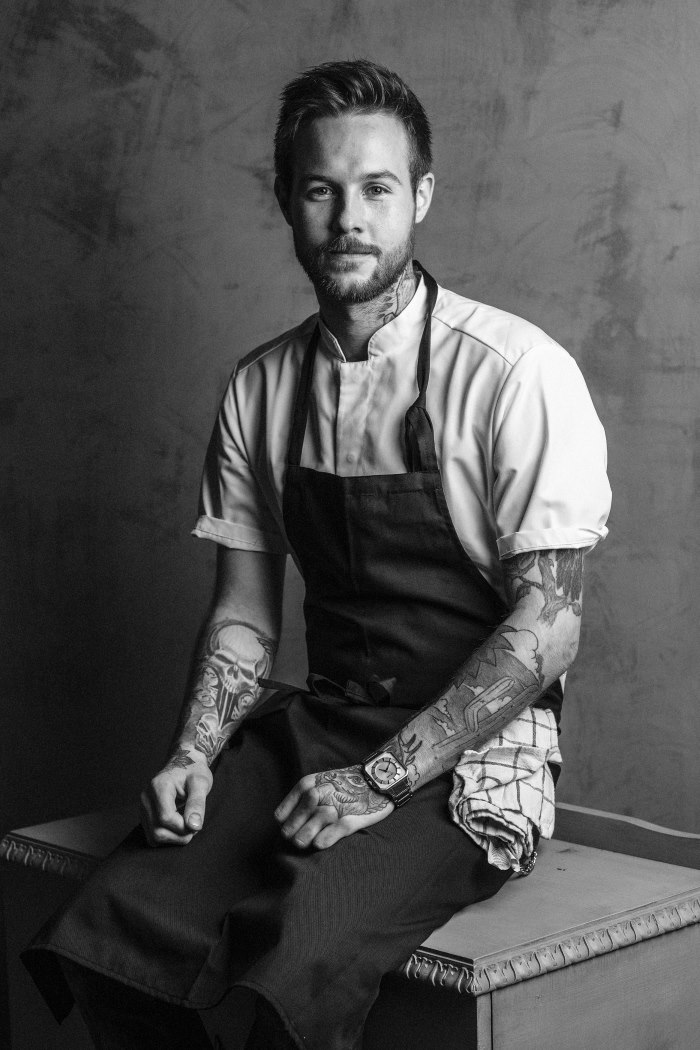
However, there is one country in Europe that is dealing more than any other with the problem: Norway. In the Scandinavian country, as has been known for some time, there is a chain of supermarkets, Holdbart, which sells products that are about to expire at discounted prices. Not only: in Oslo there is even a restaurant that has made food waste recovery its core business. The local it's called Rest. and is led by the very young chef Jimmy Oien. His philosophy is unequivocally summed up in the restaurant's slogan: “No ingredient goes to waste. Rest. rejects modern consumerism. Here we transform waste into haute cuisine”. An ambitious but absolutely worthy project: chef Oien's cuisine is therefore based not only on precious, expensive and perhaps polluting raw materials, but on ingredients that otherwise would end up in the trash, because they are imperfect or even out of date.
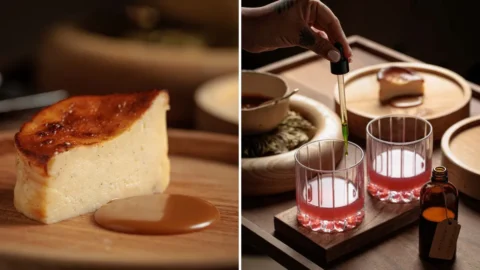
What dishes come out of it? Of course, a lot of imagination is needed and everything is enriched a little with cream or cream to make it interesting and tasty, but for example there are Pacific oysters, goat cheese, tomatoes that seem to have gone bad but are actually very edible, and even cockscombs. Oien therefore, in addition to the meritorious philosophy of his "fine dining on food waste", is also capable of combining different flavours: from the Nordic tradition to tropical dishes, in a perfect combination - the experts say - of sweet and fatty, crunchy and soft . Even the place is furnished with old reused objects: the tables are made of recycled wood and recycled is also the glass used for the carafes, while the ceiling is decorated with objects recovered from the sea.
The only small sour note: despite the modest ingredients, a dinner at Rest. it can cost up to 160 euros. But in Norway the work costs more than the raw materials and, according to the comments, the quality and the emotion generated by the enthusiasm of participating in such a project seem to be worth the price.