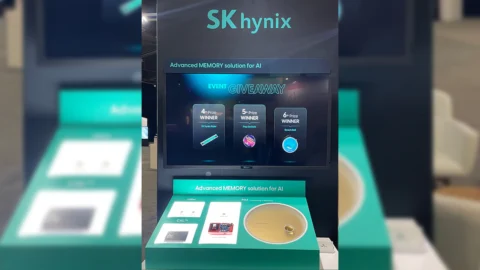
Sk Hynix accelera sulla remunerazione degli azionisti e mette sul tavolo 40mila miliardi di won, circa 25 miliardi di euro, per riacquistare e poi cancellare proprie azioni. Per dimensioni, è il più grande programma di buyback e cancellazione di azioni proprie mai realizzato da una società quotata sudcoreana. Il colosso dei semiconduttori alza inoltre l’asticella della remunerazione complessiva, puntando a restituire agli azionisti oltre il 50% del free cash flow cumulato generato nel periodo 2025-2027, contro il precedente obiettivo di un massimo del 50%.
La decisione arriva dopo un brusco ridimensionamento del titolo, che nelle ultime settimane ha perso quasi metà del proprio valore dai massimi di giugno. Il piano di riacquisto punta proprio a stabilizzare il titolo e rassicurare il mercato: nelle contrattazioni pre-market negli Stati Uniti, le azioni Sk Hynix sono arrivate a guadagnare fino al 7,1% dopo l’annuncio.
Sk Hynix crolla in Borsa: cosa sta succedendo al titolo
Prima ancora dell’annuncio del buyback, però, la giornata a Seul era stata particolarmente pesante per tutto il comparto tecnologico. Mercoledì Sk Hynix ha perso fino all’9,8% nel corso della seduta, chiudendo a 1,5 milioni di won. Rispetto al record di 2,919 milioni di won del 22 giugno, il titolo è ora in calo del 48,6%. Ma il movimento non ha riguardato soltanto il produttore di memorie: il Kospi è arrivato a perdere oltre il 6%, per poi chiudere in calo del 5,8%, mentre il Kospi 200 ha lasciato sul terreno il 6,41%. Anche Samsung Electronics è stata colpita dalle vendite, così come altri grandi nomi asiatici dei semiconduttori. La Borsa sudcoreana ha persino attivato il cosiddetto “sidecar”, una sospensione temporanea del trading sui programmi automatici di vendita, dopo il brusco movimento dell’indice.
A monte c’è il nuovo sell-off dei semiconduttori a Wall Street: l’indice Philadelphia Semiconductor ha perso il 5,6%, con Micron in calo del 7% e Nvidia del 2,3%. Gli investitori non sembrano aver perso fiducia nell’AI, ma stanno diventando più selettivi: dopo gli enormi rialzi del settore, il mercato vuole capire se gli ingenti investimenti delle Big Tech produrranno ricavi e profitti sufficienti a giustificare valutazioni così elevate.
A rendere il quadro ancora più difficile è stato il forte aumento dei rendimenti dei titoli di Stato americani. Il rendimento del Treasury trentennale è arrivato al 5,34%, il livello più alto dal 2007, mentre quello del decennale si è avvicinato al 4,72%. Rendimenti più elevati aumentano il costo del denaro e rendono meno attraenti, nelle valutazioni degli investitori, i titoli caratterizzati da aspettative di crescita molto elevate, come quelli tecnologici. Sullo sfondo restano inoltre i timori per l’inflazione, l‘aumento del debito pubblico e le tensioni geopolitiche legate alla guerra con l’Iran.
Il sell-off riflette anche un interrogativo più specifico: quanto a lungo potrà durare la corsa degli investimenti nell’intelligenza artificiale? Sk Hynix e Samsung sono tra i principali titoli utilizzati dagli investitori per puntare sul boom dell’AI e, proprio per questo, sono particolarmente esposti quando il mercato inizia a mettere in discussione la sostenibilità delle valutazioni raggiunte dal settore. La volatilità è stata inoltre amplificata dall’elevato ricorso alla leva finanziaria, che nelle fasi di ribasso può trasformare le vendite in una spirale di liquidazioni.
Sk Hynix, maxi buyback da 40mila miliardi di won: come funziona
È in questo contesto che Sk Hynix ha deciso di accelerare la restituzione di capitale agli azionisti. Il consiglio di amministrazione ha approvato un programma che partirà il 20 agosto e terminerà il 19 novembre: la società riacquisterà sul mercato circa 24,07 milioni di azioni, pari al 3,3% del capitale in circolazione, per poi cancellarle integralmente.
Il quantitativo è stato calcolato sulla base del prezzo di chiusura di lunedì, pari a 1,662 milioni di won. Si tratta quindi di una stima: il numero effettivo di azioni acquistate e l’importo finale dell’operazione potranno variare in funzione del prezzo del titolo durante il periodo di riacquisto. Se verrà cancellato l’intero quantitativo previsto, le azioni in circolazione scenderanno a 706,42 milioni. La cancellazione riduce il numero di titoli che partecipano agli utili: a parità di profitti, aumenta quindi la quota di risultato attribuibile a ciascuna azione e sostiene il valore delle partecipazioni degli azionisti esistenti.
La decisione arriva mentre il business continua a beneficiare della forte domanda di memorie ad alte prestazioni utilizzate nei sistemi di intelligenza artificiale. Nel secondo trimestre il colosso sudcoreano ha registrato un utile operativo record di 60.540 miliardi di won e a fine giugno disponeva di circa 69mila miliardi di won di liquidità netta. La società ha spiegato di aver accelerato la distribuzione di capitale anche perché ritiene che il prezzo del titolo non rifletta pienamente il suo valore intrinseco, sostenuto dalla competitività del business, dalla capacità di generare cassa e dalle prospettive di crescita nel medio-lungo periodo.
Sk Hynix aumenta i dividendi e la remunerazione degli azionisti
Il buyback si inserisce in un piano più ampio di remunerazione. Sk Hynix ha portato da “fino al 50%” a “oltre il 50%”la quota del free cash flow cumulato del periodo 2025-2027 destinata agli azionisti, attraverso riacquisti e cancellazioni di azioni ma anche dividendi ordinari e speciali. Secondo le stime di alcune banche d’affari, il pacchetto complessivo potrebbe arrivare a circa 100mila miliardi di won, considerando i 40mila miliardi del buyback e circa 60mila miliardi di possibili dividendi. Ulteriori dettagli, compresi eventuali nuovi riacquisti, saranno comunicati con i risultati del terzo trimestre, attesi in ottobre.
Il tempismo è significativo anche perché il maxi-buyback arriva appena un mese dopo la quotazione negli Stati Uniti, con cui Sk Hynix ha raccolto circa 26,5 miliardi di dollari. Il piano non era stato annunciato insieme ai risultati del secondo trimestre anche perché, dopo la quotazione degli Adr del 10 luglio, la società doveva rispettare un periodo di 25 giorni legato alla consegna del prospetto agli investitori, che rendeva più complesso diffondere nuove informazioni. Ora la società prova a mandare un messaggio chiaro agli investitori: la domanda di chip legata all’AI continua a sostenere il business, ma una parte della liquidità generata dalla crescita viene restituita subito agli azionisti, proprio mentre il mercato torna a interrogarsi sulla sostenibilità del boom dell’intelligenza artificiale.