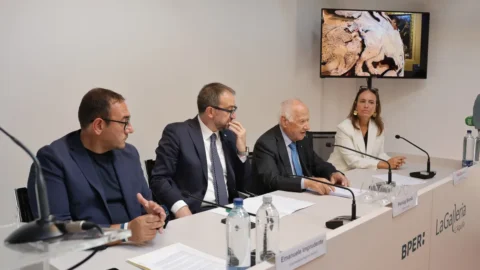
The exhibition itinerary was divided into thematic sections, starting with the photographs that celebrate the icon in his most famous boxing moments, for example start with meetings with Sonny Liston, George Foreman and Leon Spinks which led him to conquer three heavyweight titles, ai match of the epic challenge against Joe Frazier.
A long story that is staged in the halls of the PAN of a man who was able to successfully fight in different rings and obtain the world heavyweight title, but also a man engaged in the fight for the civil rights of black Americans and of integration.
“Muhammad Ali – he declares Nino Daniele, Councilor for Culture and Tourism of the Municipality of Naples – he is a very important figure who cannot be confined to the sporting discipline in which he excelled and rightly became an unsurpassed legend. His choices cost him a lot. And he consistently professed the values he claimed to follow".
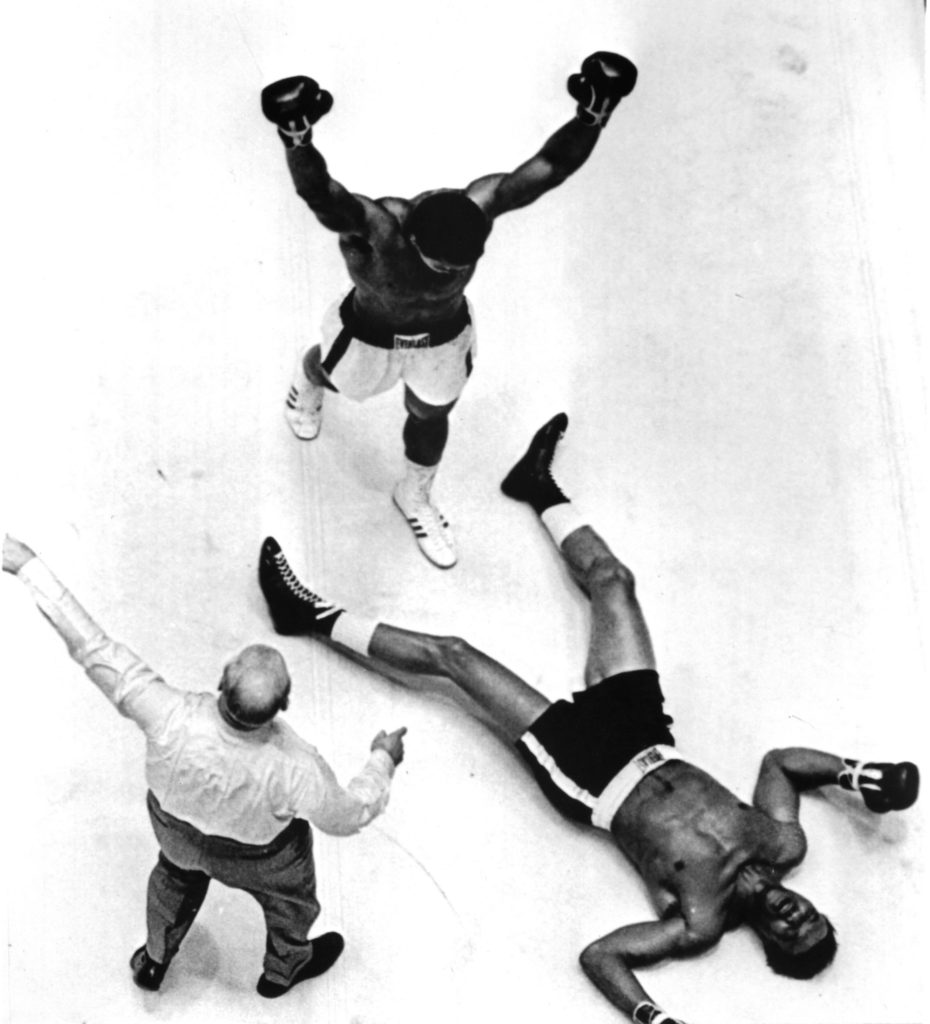
A PAN room has also been set up as a boxing gym, with a ring in the center where a video is projected with clips of Ali's most famous fights, alongside a series of rare photographs taken during training sessions and posters originals with the programs of those memorable boxing events.
All this reproposes the chronology of 61 professional fights, between 1960 and 1981, after winning the gold medal at the 1960 Rome Olympics, when he still bore the name Cassius Clay.
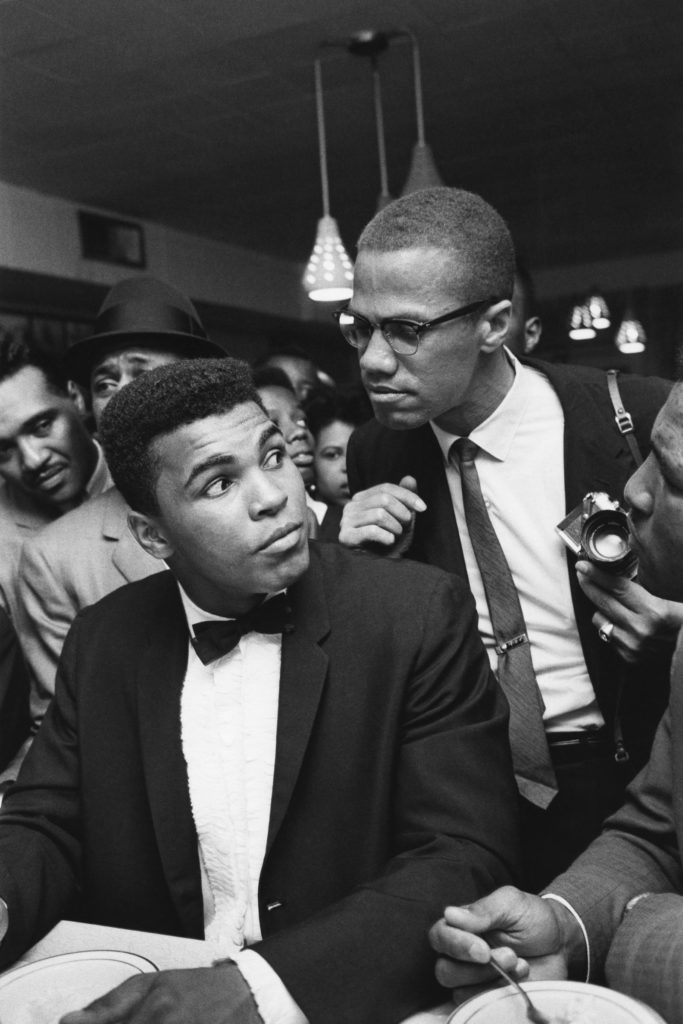
As we well remember, Ali was endowed with extraordinary communication skills, histrionic and sometimes prophetic and always full of irony. The most significant quotes from him are projected in the room that houses the section of the images taken during the phases leading up to the meetings, the press conferences, the television interviews. Match those that refer to his role as an activist of the Nation of Islam. Outraged against the Vietnam War, he participated in many demonstrations in favor of discriminated people becoming a leader against all forms of racism. It was also the admiration of much of white America that made him a folk hero. An entire room of the exhibition is dedicated to this important chapter in Ali's life, which continues with a room that documents his love relationship with children, also testified by the projection of the candid camera in which he enjoys joking with the little ones; then his relationship with the men of the "corner" who have been at his side for his entire career is analysed; with the members of his large family: his mother, father, brother, four wives and nine children.
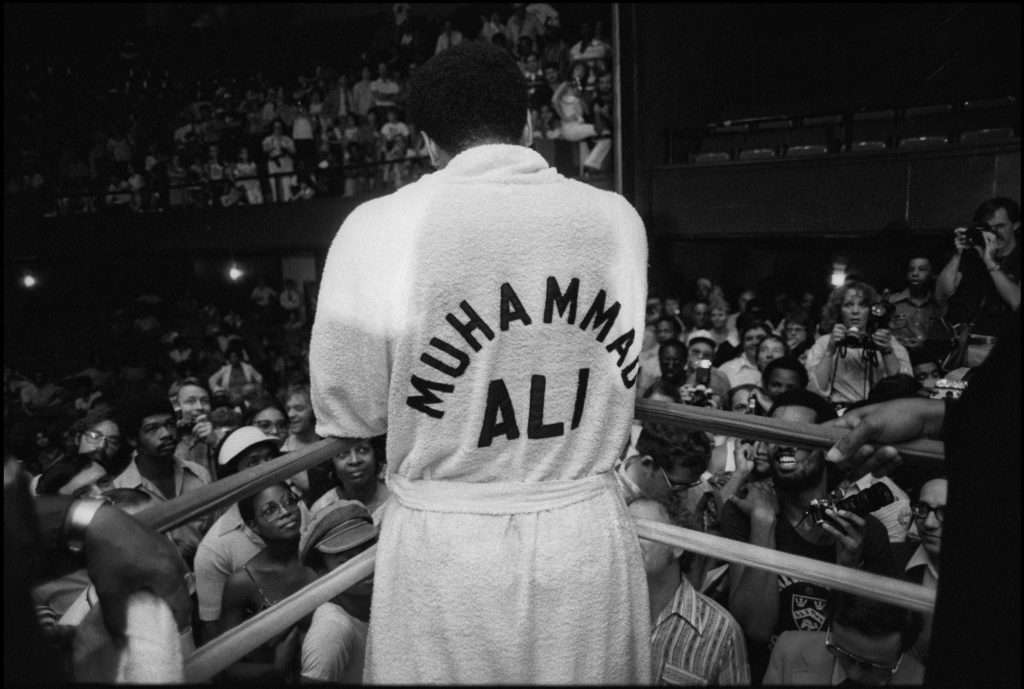
The exhibition closes with a series of images dedicated to courage. Images of him alone, intense and exciting that offer a reflection on the strength, fatigue and ethics of existence: an example as generous as it is modern.
Cover photo: Miami Beach, 1971. Training in the 5th Street Gym of Chris Dundee, brother of manager Angelo. Chris Smith/Getty Images