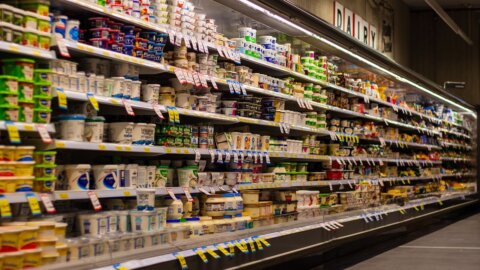
The alarm raised in recent years about the consumption of processed and ultra-processed foods requires a reflection on the quality of the food consumed. The term processed is of English origin, to process in fact means to elaborate, to transform. The transformation does not refer to the elaboration of the chef, who uses natural methods and ingredients, but rather to the elaboration performed by the food industry when it uses substances that excessively modify the taste, color, consistency and duration of the foods we consume.
There is an official classification in this regard, called NOVA, which has divided the foods we use into four groups: Unprocessed or minimally processed foods, Processed culinary ingredients, Processed foods, Ultra-processed foods.
The first group includes Foods present in nature (roots, tubers, meats) and processed with traditional techniques such as boiling, drying, etc. The second group includes: Natural foods processed through processes such as grinding, refining, etc. The third group includes Foods that have been made more palatable by adding oil, salt, sugar, flour. Finally, the fourth group includes Foods with numerous ingredients, including additives to improve sensory qualities, such as ready meals, carbonated drinks, light foods.
Pay attention to the label: the more complex it is, the less you can trust it.
There is currently no classification. It is interesting to highlight the difference between the label of an ultra-processed food and a simply processed one as reported below:
Dough ingredients: soft WHEAT flour (extra EU origin), margarine [non-hydrogenated vegetable oils and fats (palm, sunflower), water, emulsifier (E471), acidity regulator (E330), flavourings, colouring (beta-carotene)], water, sugar, EGGS (IT origin), brewer's yeast, improver (WHEAT gluten, dextrose, emulsifiers (mono and diacetyl tartaric acid esters of mono- and diglycerides of fatty acids (E472e)), anti-caking agents (calcium carbonate (E170)), WHEAT flour, antioxidants (ascorbic acid (E300)), enzymes [WHEAT], invert sugar, salt, flavourings, colouring: beta-carotene.
Ingredients: durum WHEAT semolina 64%, toasted durum WHEAT flour 20% (burnt WHEAT), water.
Habitual consumption of ultra-processed foods increases the risk of diabetes, hypertension, cardiovascular disease and cancer
The number of ingredients is undoubtedly a discriminating element to distinguish one food from another. Recent studies on large population groups and published in prestigious journals have ascertained that a Habitual consumption of ultra-processed foods increases the risk of diabetes, hypertension, cardiovascular disease and cancer. The most significant study was published in the prestigious British Medical Journal at the end of a long work that began in 1986 and ended in 2015, involving 46341 men and 159907 women in the United States (Lu Wang, Mengxi Du, Kai Wang, Neha Khandpur, Sinara Laurini Rossato, Jena-Philippe Drouin-Chartier, Euridice Martinez Steele, Edward Giovannucci, Mingyang Song, Fang Fang Zhang)
The study started with healthy subjects, who were given a questionnaire about their eating habits and style every two years, excluding those who had either too high or too low caloric intakes. Given the extreme heterogeneity of the ultra-processed foods ingested, the researchers calculated for each subject the daily caloric intake deriving only from ultra-processed foods, since during the day each of them consumed foods that also fell into the other NOVA categories. The variables that could have a significant impact on the outcome of the study were determined, such as smoking, alcohol, level of physical activity and drug intake.
Consumption of ultra-processed foods increases the risk of colorectal cancer in men by 29%
The final statistical analysis confirmed that the Consumption of ultra-processed foods leads to a 29% increased risk of colorectal cancer in men, but not for women. In particular, the consumption of meat, poultry and ready meals. Yogurt and dairy desserts are negatively correlated with colorectal cancer for women.
To minimize the risks to human health it is therefore necessary toIt is advisable to consume dishes prepared with express cooking, with few ingredients and aromatic herbs fresh. Ready meals should not be demonized as long as they do not contain any additives extraneous to the raw material on the label.