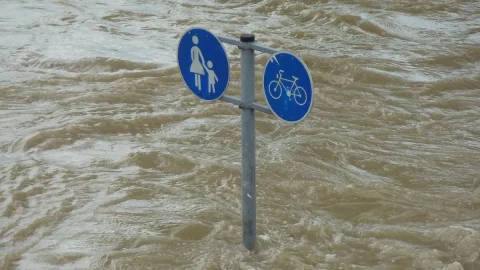
Italy is grappling with a critical climatic situation, characterized by extreme heat, devastating fires, tornadoes, floods and earthquakes. In these conditions, the government is facing an unprecedented challenge to ensure the safety of the territory and support workers and companies affected by these emergencies. Just today will be held the cabinet, to try to find measures that can lighten the seriousness of the situation, especially for workers.
Labor emergency: the request of the trade unions
The climate emergency, with record temperatures, fires and storms in Northern Italy, has had a significant impact on the world of work. Companies have had to deal with the consequences of these disasters, and many workers have found themselves in difficulty. To deal with this situation, the Council of Ministers is preparing to launch new measures, including layoffs and smart working.
Currently, companies have the possibility to apply to the Ordinary Redundancy Fund at INPS in case of temperatures above 35 degrees. However, the unions believe that this llimit is too high. For this reason, in recent days the CGIL, CISL and UIL have requested an urgent meeting with the government. In the meantime, INPS recalled in a message that 35 degrees is not a rigid value, and that other factors can also be considered, such as humidity, type and working conditions, to determine eligibility for ordinary layoffs.
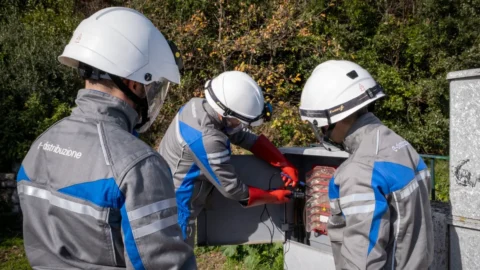
The situation is extremely critical, and it becomes essential to guarantee adequate means of protection for workers who operate in these unfavorable conditions. The meeting between the government and the trade unions assumes particular importance in addressing the issue e find suitable solutions to protect the safety and health of workers exposed to extreme temperatures.
Redundancy Fund and Smart Working: measures to support workers in the climate emergency
La layoffs was designed to support employees of companies who have suffered damage or loss due to climate emergencies. Through this measure, workers will be able to receive a part of their salary, guaranteeing them a certain economic stability during the crisis period.
Lo smart working, however, will be promoted as an alternative way of working. This flexibility would allow companies to maintain productivity despite operational challenges caused by natural disasters. At the same time, it will give workers the opportunity to continue their work even in emergency situations, thus helping to reduce the negative impacts on productivity and employment. However, doubts remain about this solution, considering that many find themselves without connection precisely because of fires or floods.