The pandemic, the restrictions and the lockdown have changed our habits, especially at the table: 44% of Italians saw their weight increase. This is what emerges from a national analysis by Coldiretti on Crea data - the food and nutrition research center, disseminated on the occasion of Obesity Day 2020 which is celebrated on 10 October all over the world.
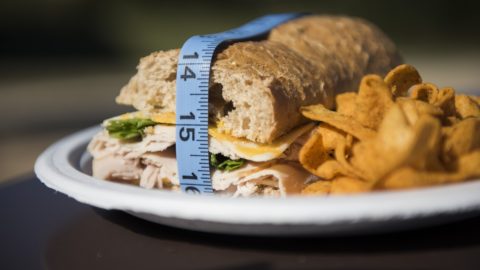
With a sample of about 2.900 people resident in Italy (75% women and 25% men), it was found that despite an increase in the consumption of healthy foods, 44,5% admitted to having eaten more sweets and 16% drank more alcohol. A figure confirmed by the need, in over 37% of cases, to go on a diet.
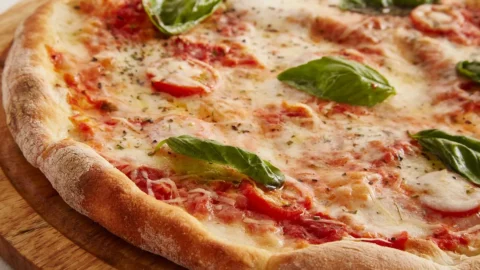
All this was favored by the restrictions of last March which changed our habits, allowing Italians to spend more time in the kitchen, enjoying preparing dishes and experimenting with recipes that we usually didn't have time to make: from pizza, to homemade pasta to desserts. An aspect that has certainly led all of us to exceed with carbohydrates and sugars. The result is an increase of 10 billion euros of Italian household spending in 2020 which translated into an increase in the purchase of yeasts and ice creams, but above all also of spirits (beer and wine).
The tendency to eat more, both for the greater time spent at home and to "console" ourselves in a moment of great stress, has not been compensated for with adequate physical activity. Even if the last lockdown seems like a distant memory, the new restrictions have brought back general discontent and with Christmas just around the corner, there will be many temptations and if left unchecked they could affect the scale and weight even more.
The "nervous hunger” is difficult to manage, especially if we are confined to the house. Seeking comfort in food, which can lift our mood, is a common reaction especially in difficult and stressful situations. However, even if on the one hand these foods have a powerful comforting and soothing role, at the same time they are dangerous, capable of creating an addiction that is difficult to manage. It is therefore necessary to know how to choose the right foods, moderate the doses and adopt some correct habits.
Furthermore, according to many studies, overweight people have a higher risk of experiencing a more severe course of Covid. This risk is probably related to the many health problems associated with obesity such as the presence of chronic diseases, including hypertension, cardiovascular disease and type 2 diabetes, which can further worsen the health of these people.
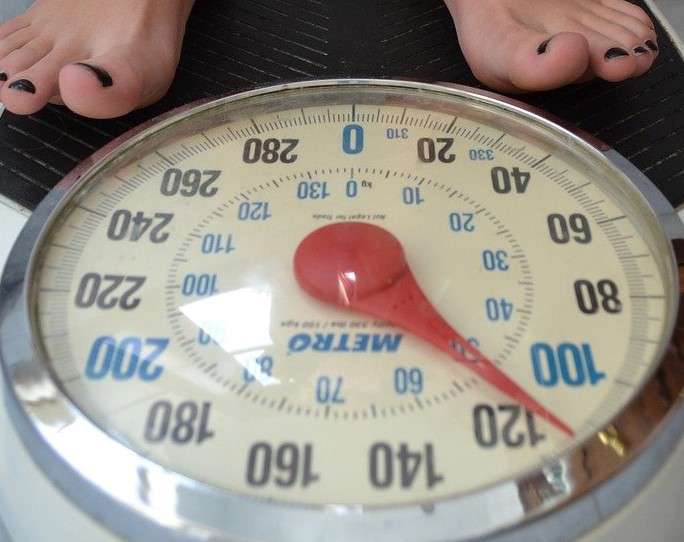
“The Covid pandemic – underlines the Coldiretti – has certainly had an impact on the weight of adults and children due to the difficulty of exercising outdoors and following a correct diet with the closure of school canteens, while on the contrary the time spent in front of screens and the consumption of preserved foods. Computers, sofas and tables have, in fact, kept even 53% of Italians away from motorcycles and sports – notes Coldiretti”.
A situation that does not even spare children and which has worsened since 2019. According to the survey about 2 million 130 thousand children and adolescents are overweight, equal to 25,2% of the population between 3 and 17 years old according to Istat. Precisely for this reason, Coldiretti is engaged in "Education to the Friendly Countryside", a project aimed at primary and secondary school pupils throughout the territory to raise awareness among children of the importance of a healthy and balanced diet and stop excessive food consumption garbage.
However, if initially we let ourselves "go" with a few more strains, over time, we have also developed a capacity for resilience and adaptation which in some cases has led to an improvement in food choices, rediscovering the importance of the Mediterranean diet. Fundamental for strengthen our immune system and be less subject to possible seasonal ailments.