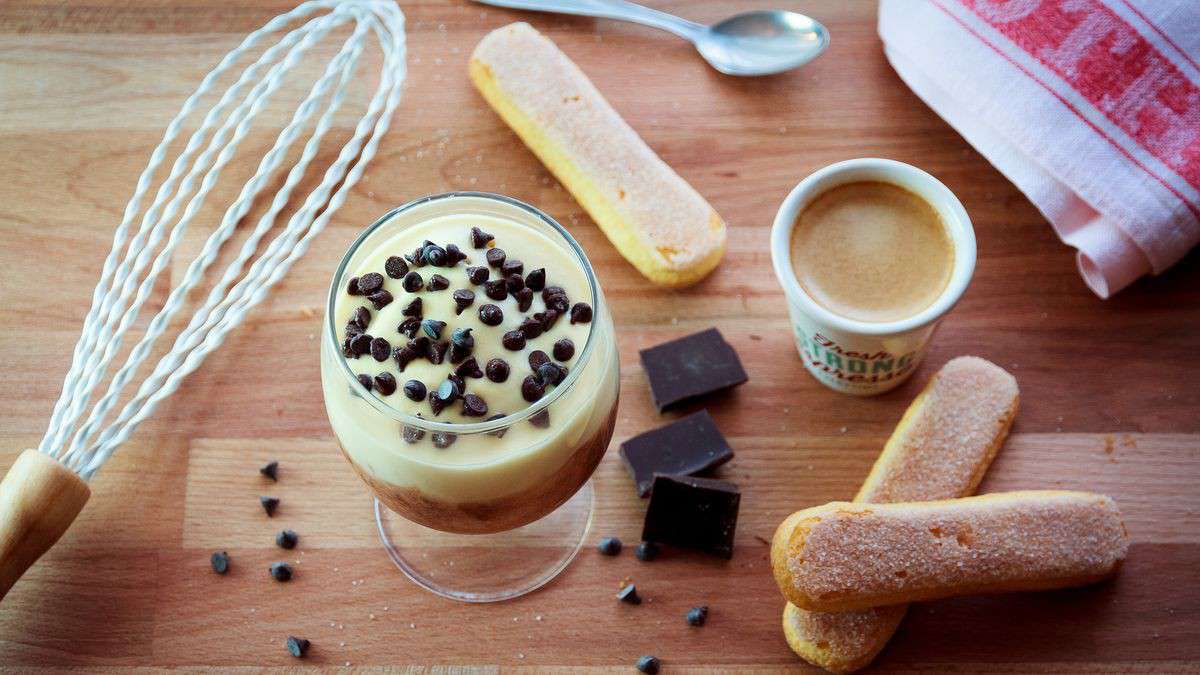
Coffee, the most widespread drink in the world, has known effects, mostly benefits, but also damages if drunk in disproportionate quantities. Among the former it is known that it improves energy levels and stimulates some brain functions thanks to caffeine; stimulates gastric and biliary secretion, which is why the habit of drinking a cup after meals has become established, to facilitate digestion; which has a tonic and stimulatory effect on cardiac and nervous function; acting as a bronchodilator; which stimulates diuresis; which has antioxidant properties; which has a lipolytic effect in the sense that it promotes weight loss as caffeine stimulates the use of fat for energy purposes.
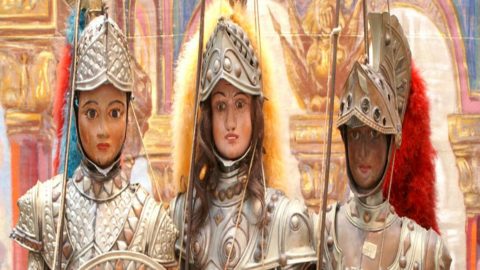
But now coffee has a new beneficial effect in the sense that it is also good for Sicilian puppets, a UNESCO intangible heritage of humanity, who need ... an energizing charge. The world of Sicilian puppets is, in fact, in serious suffering, due to the economic crisis generated by the Covid-19 emergency.
Not more than a few days ago, the Pasqualino Museum and the Rete dell'Opera dei Pupi, eleven families of puppeteers on the island raised a cry of alarm for the crisis they are experiencing on their own skin due to the immediate effects of the lockdown that marked the last few months.
Among these, the cancellation of the shows, the impossibility of a new programming and the maintenance of the fixed expenses to be sustained in the absence of tourist flows and school groups, essential for the transmission of the opera dei pupi heritage to young people. The cry of alarm was taken up by the historic Morettino roasting company in Palermo, which this year celebrates its XNUMXth anniversary. The company has decided to support the "Antonio Pasqualino" puppet museum in Palermo. launching the #MorettinoperiPupiSiciliani initiative.
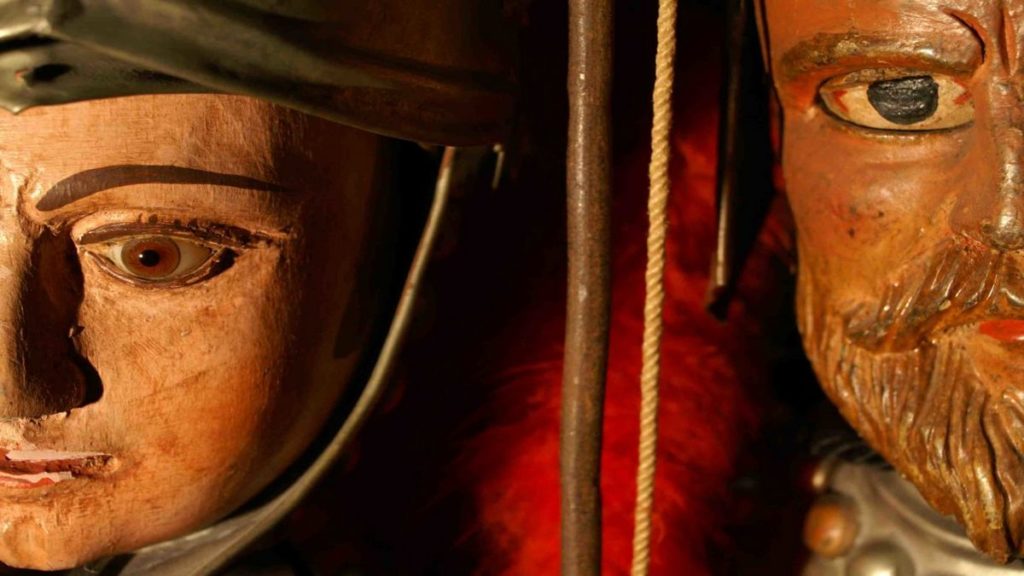
The campaign envisages two lines of intervention: the restoration of some ancient puppets kept in the Antonio Pasqualino Museum and the contribution to the digitization project of the material heritage of the families of Sicilian puppeteers.
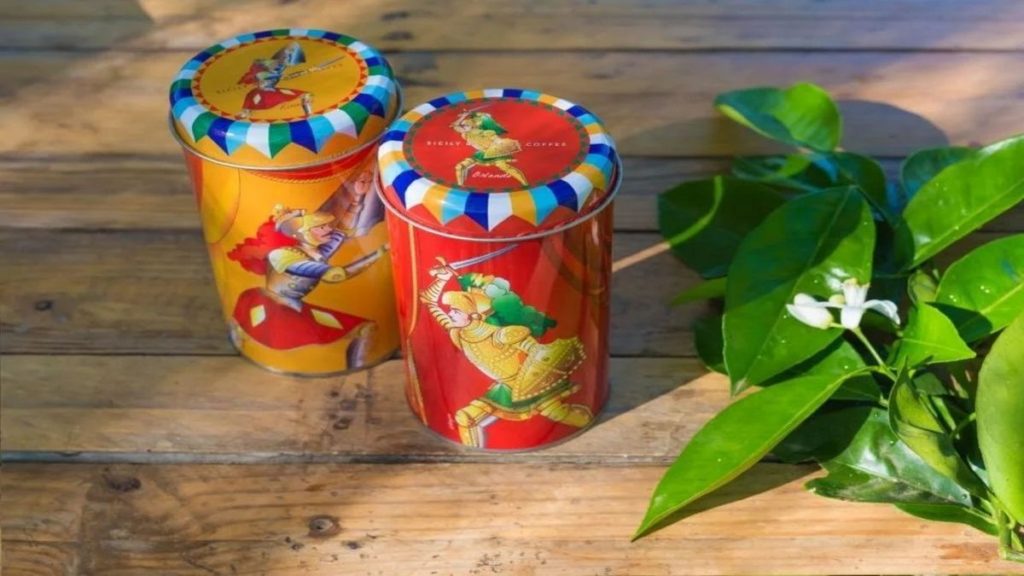
Morettino will allocate part of the proceeds from the sale of the limited edition coffees of the “Sicily Boutique Coffee – I Pupi siciliani” line (purchasable in the dedicated section of the website www.morettino.com) to finance the creation of digital cultural products and the of cataloguing, cataloging and inventories of the material heritage kept by each company (puppets, backdrops, scripts, etc…), for their free enjoyment on the portal www.operadeipupi.it of the Italian Network of the Opera dei Pupi.
"In a moment of epochal crisis for our territory and of great difficulties for our entrepreneurial activity - explains Andrea Morettino, fourth generation of the family of roasters from Palermo - we wanted to launch this initiative with the aim of preserving one of the symbols of our identity, safeguarding one of the best known Sicilian excellences that attracts tourists from all over the world and capable of creating a virtuous system for our economy".
“We cultivate the hope that the project will also be a stimulus for all of us Sicilians: we need to rediscover our ancient traditions, the beauty of our villages and the skill of our craftsmen, a message of encouragement for those who care about the past and the future of our land”, concludes Morettino.
“In this moment of difficulty – adds the director of the Puppet Museum, Rosario Perricone – we are particularly happy with the support of a prestigious company like Morettino. We hope that this will become a virtuous circle and that many other companies will have the same sensitivity".
The Antonio Pasqualino International Puppet Museum was established in 1975 by the Association for the conservation of popular traditions.
Since its foundation it has constantly referred to the criteria of contemporary museography for not being a temple of knowledge for the few, but a place of communication for widespread use. Traditional museographic activities have always been accompanied by live performances, creating one of the happiest examples of museographic research on theater.
The history of the Museum is inextricably linked to its founder, Antonio Pasqualino, who died in 1995, surgeon, distinguished anthropologist and lover of the history and popular traditions of his native Sicily.
Antonio Pasqualino dedicated his research activity to a theatrical form which, in the second half of the twentieth century, seemed by now to be heading towards a progressive and unstoppable decline: the opera dei pupi, which narrated the Crusades and the Paladins of France, about which they had written , among others, masters of Italian literature, such as Ludovico Ariosto, Matteo Maria Boiardo and Torquato Tasso.
Antonio Pasqualino - together with a group of intellectuals - founded the Association for the conservation of popular traditions in 1965 and together with his wife Janne Vibaek collected many testimonies: from stage texts to puppets up to theaters and furnishings, saving them from destruction and from 'oblivion.
Angelo Morettino's passion for coffee was born back in 1920 from an old family spice and colonial shop located in the historic village of San Lorenzo ai Colli in Palermo. The careful selection of raw materials, slow and artisanal processing and the art of blending the finest coffee origins from all over the world decree the company's success. Morettino soon became a point of reference in the circles of the Palermo bourgeoisie and in the first historic cafés of the city of Palermo.
In the 90s the company decided to move to a new production plant which allowed it to become a modern industrial reality while maintaining the distinctive character of slow and artisanal manufacturing. Among the most significant choices it should be noted the location of the new production site in the heart of a green island of 10.000 square meters built with a natural balance a few steps from the historic family roasting plant, the adoption of an innovative ecological roaster with clean hot air and obtaining an integrated system of company process quality certifications (UNI EN ISO 9001; 14001).