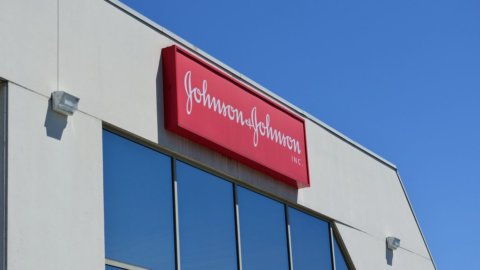
Johnson & Johnson reached a $5,5 billion deal to close approximately 76 thousand lawsuits filed in the United States on products based on talc, accused by the plaintiffs of causing ovarian cancer. The settlement, worth approximately €4,84 billion, represents one of the largest financial agreements ever concluded by the US multinational and could put an end to a dispute that began almost a decade ago.
The agreement has been reached with the law firms representing the plaintiffs, but to become effective will have to get the participation of at least 95% of the people involved in compensation claims. The the vote will therefore be decisive to determine whether the company will be able to definitively dismiss most of the pending litigation in the United States.
Talc: Ten Years of Cases and Appeals Over Cancer
At the center of the disputes are some talc-based products, including the famous baby powder. According to the plaintiffs, the powders contained traces of asbestos, a carcinogenic substance linked to serious diseases such as mesothelioma and ovarian cancer. Over the years, several U.S. juries have upheld the claims of those who sued the multinational, awarding some very high damages. One of the most high-profile cases involved Jacqueline Fox, who died of ovarian cancer. Her family was awarded 72 million dollars.
The litigation continued with verdicts, appeals, and mediation attempts. Johnson & Johnson had already tried to reach a comprehensive solution, but failed to achieve sufficient consensus. The new proposal, however, would have met with greater acceptance from the plaintiffs, also following some recent decisions by federal judges considered less favorable to their requests.
Johnson & Johnson continues to deny the allegations
The decision to pay $5,5 billion does not change the official position of Johnson & Johnson, which continues to deny any responsibility and to defend the safety of its products. The vice president responsible for litigation, Erik Haas, called the accusations "scientifically unfounded." According to the executive, the company was confident it could prevail by continuing the legal battles, as has happened in most of the cases already faced. Haas, however, explained that the agreement will allow the group to "put this matter behind us" and focus its resources and attention on the development of drugs and medical devices.
The long-running controversy has also impacted the multinational's commercial decisions. In 2020, Johnson & Johnson discontinued the sale of talc-based baby powder in the United States and Canada. In 2023, the decision was extended to the rest of the world, replacing talc with cornstarch-based formulations.
The withdrawal from the market, however, did not stop the requests for compensation, mainly relating to products marketed in previous years.
The plaintiffs' vote and the pending cases
The agreement could resolve most of the 76 U.S. lawsuits only if it is approved by at least 95% of the plaintiffs. Lawyers representing the people involved have spoken of "a positive solution", emphasizing the possibility of obtaining certain compensation after years of proceedings with an uncertain outcome. The agreement It should not resolve disputes initiated outside the United StatesIn the UK, a lawsuit filed in 2025 by around 3,000 people remains open, with total compensation claims exceeding £1 billion.
In this case, too, the plaintiffs allege that the use of Johnson & Johnson talcum powder caused ovarian cancer or mesothelioma, either directly or to the detriment of a family member. Therefore, for the multinational, the $5,5 billion payment could represent a turning point on the U.S. front, but it won't completely close one of the most sensitive legal chapters in its history.