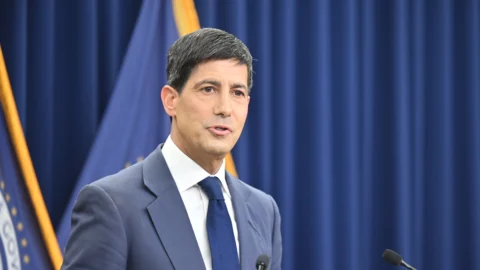
The Federal Reserve is preparing to announce its monetary policy decision at the end of the Federal Open Market Committee (FOMC) meeting, in one of the most anticipated events on the financial markets. More than the interest rate level, investors' attention will be captured by the final statement and, above all, the words of President Kevin Warsh, called upon to clarify the direction of the American central bank in a phase still characterised by strong uncertainties about inflation.
According to the prevailing consensus among analysts and operators, The Fed is expected to leave the Fed Funds corridor unchanged between 3,50% and 3,75%, thus maintaining a cautious stance after the June meeting. Futures implied probabilities place a hold on rates at about two-thirds of the chance, while a 25 basis point hike is priced at around 30-35%, still a high percentage for a meeting that until a few weeks ago seemed destined to conclude without surprises.
The market is already looking ahead to September
If July appears to be headed towards a break, the real question concerns the meeting on September 16thExpectations have gradually shifted in recent weeks. Until the beginning of the summer, many investors believed a further cut in interest rates was possible by the fall. Today, the scenario has changed profoundly: markets are attributing a greater than 50% chance of a rate hike in September, while the possibility of monetary easing has drastically reduced.
The turning point is mainly linked to the persistent inflationary pressures above the central bank's 2% target and fears that energy price increases could spill over to the rest of the economy.
Inflation still the main focus of special observation
Inflation remains the decisive parameter in the Fed's assessments. After the cooling recorded in the latest data, the general consumer price index for June stood at around 3,5% on an annual basis, while core inflation, which excludes food and energy, continues to travel at similar levels, well above the central bank's target.
What is particularly worrying is the risk that energy shocks, fueled by geopolitical tensions in the Middle East, could reignite a spiral of price increases just as the U.S. labor market continues to show remarkable strength and domestic demand remains resilient.
Warsh's words could move Wall Street
For this reason, the protagonist of the day could be Kevin Warsh. The new Fed chairman, in his second term as chairman of the FOMC, has so far chosen a much more cautious line of communication Compared to his predecessors, he avoided preempting the central bank's decisions. This strategy significantly increased market uncertainty and volatility, making every statement potentially decisive.
Investors will be looking above all for to understand whether Warsh considers the current inflationary phase to be still temporary or persistent enough to justify further monetary policy tightening in the coming months. Particularly hawkish language on inflation could further strengthen expectations of a September hike, while any openness regarding the transitory nature of energy price increases would be interpreted as a more dovish signal.
Markets on hold
Uncertainty is already being reflected in financial markets. Treasury yields have risen in recent sessionsThe dollar remains strong, and Wall Street is proceeding cautiously awaiting the central bank's verdict. Gold, commodities, and currency markets also remain particularly sensitive to any indications about the future path of interest rates.
For investors, therefore, today's meeting could represent above all a preparatory step for the September decisionIf interest rates remain unchanged, the tone of the statement, the nuances of Warsh's press conference, and any indications of inflation trends will determine the next moves of markets and central banks around the world.