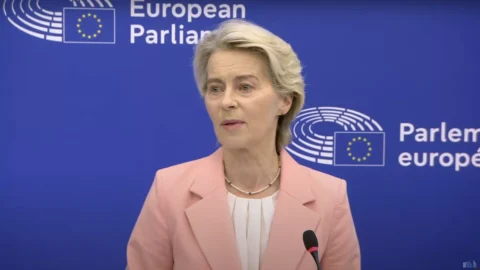
The European Parliament gave the green light to Ceta, the economic and commercial agreement between the EU and Canada, with 408 votes in favour, 254 against and 33 abstentions. The agreement, which aims to increase trade in goods and services and investments, will be applied on a provisional basis as early as April: "With the adoption of Ceta - said the rapporteur Artis Pabriks - we preferred openness, growth and standards raised to protectionism and stagnation.”
"It is a good agreement for our citizens, it will create new jobs and stimulate growth, with benefits for our entrepreneurs and consumers, while taking into account their concerns", he commented instead the President of the EU Parliament Antonio Tajani, adding that CETA "guarantees that the high European health, environmental and labor standards will be protected" and will have benefits "especially for SMEs".
“So that the EU can fully exploit the benefits of CETA – concludes Tajani – I invite the Member States to proceed with its rapid ratification”. Tomorrow the President of the EU Parliament will receive Canadian Prime Minister Justin Trudeau in Strasbourg.
“The advantages for our country – he added the Minister of Economic Development Carlo Calenda – will be numerous and important: access to the agri-food market for sensitive products (starting with cheeses which will enjoy an additional share); elimination of ad valorem duties on sugar or cocoa-based products, pasta and biscuits, fruit and vegetables; tariff elimination and removal of other important tariff barriers for wines and spirits; more generally, reduction of duties on important goods for our exports such as industrial machinery (up to 9,5%), furniture (up to 9,5%), footwear (up to 20%); recognition (albeit with some differences in treatment) for 41 Italian IIGGs (out of a total of 171 European ones), an extraordinary result if we consider the difference in approach to the subject of IIGGs and registered trademarks from which the negotiations started; Rules of Origin based on European standards which will favor our exports; access to 80% of the public procurement market in the energy and utilities sectors, the widest access ever granted by Canada to a third country and more”.