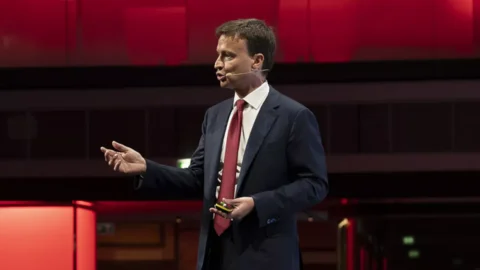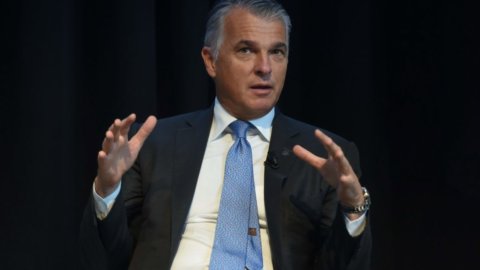
UBS aims to close the deal with Credit Suisse before May, but they may be needed four years for full integration. Meanwhile, the lender had to set aside other funds to calm old US toxic assets. He said it Sergio Ermotti, and he resumed his role as chief executive officer of UBS to lead the acquisition, in a call with analysts following the release of quarterly data. "There is a lot to do and there will be difficult decisions to make in the coming months," the manager said in the quarterly conference call, according to Reuters.
Credit Suisse, has been brought to its knees after large client withdrawals in the wake of the global banking sector turmoil. As part of a hastily engineered deal by the Swiss authorities just over a month ago, UBS has agreed to take it over for 3 billion Swiss francs and to bear losses of up to 5 billion francs.
Ermotti riding Ubs: the operation will close in May, but then it will be long
It is to be expected that theacquisition of Credit Suisse ends in the second quarter, perhaps a May. More clarity will emerge over the coming months about which businesses UBS intends to keep, Ermotti said. UBS has not yet decided whether to keep Credit Suisse's domestic business, for which the Zurich financial blog Inside Paradeplatz speculated earlier this month. possible IPO. “What we have to do is make decisions based on facts and not on emotions. Right now the discussion is totally based on emotions, in many cases totally misinformed,” said the manager. “We need time. Things will be difficult."
Concerns about the global banking sector persist and thecustomer activity “it could remain subdued in the second quarter” said Ermotti, adding, however, that the increase in interest rates will strengthen revenues from loans”. Just a few days ago, the Credit Suisse said that 61 billion francs ($68 billion) of assets left the bank in the first quarter and the outflows are ongoing.
UBS halves its quarterly profit due to provisions
UBS has registered a 52% drop in quarterly profit, after making further provisions for $665 million to cover the costs of litigation related to securities backed by US residential mortgages che played a central role in the global financial crisis. Net income of $1 billion was well below the consensus average of $1,7 billion in a UBS survey. THE revenues investment bank's fell 19% year over year, in line with forecasts.
But the Swiss bank also records inflows of funds for 42 billion
However, one of the world's largest asset managers also saw strong inflows, totaling about $42 billion. Its flagship asset management division received $28 billion in net new money, a quarter of it in the last ten days of March, Reuters reported, after the Credit Suisse bailout.
The old toxic debt: UBS cuts profits
UBS had to set aside more funds to end its involvement in the toxic US mortgage loans going back 15 years and to tackle the global financial crisis by halving its first quarter profit, while preparing for the “difficult” task of absorbing disgraced rival Credit Suisse.
According to last year's annual report, UBS was an issuer and underwriter of residential mortgage-backed securities in the United States in the five years to 2007.
In November 2018, the US authorities started alawsuit against UBS, calling for sanctions for its involvement in numerous operations of this type. UBS later lost a court case over the matter. “We are in an advanced stage of discussions with the US Department of Justice and I am pleased we are doing so progress towards resolving the issue,” Ermotti said.
The Ubs/Credit Suisse universe compared with the authorities
Credit Suisse is present in over 50 countries and some markets where its former rival operates, such as Latin America, "add value," said Ermotti. UBS is still awaiting formal approval from the European antitrust authorities, after getting a first green light at the beginning of the month. Approval is also awaited European Central Bankafter its US, UK and Swiss counterparts gave their approval in April, Ermotti said.
According to Bloomberg reports, the manager does not expect “regulatory obstacles for the agreement with Credit Suisse. And there would be no real problem with market share in Switzerland." Competition in the Swiss banking market will be sufficient even after the two banks merge, Ermotti said. “There are many cantonal banks and a lot of competition,” the manager specified. Raiffeisen, for example, has twice as many branches as UBS and Credit Suisse combined.
There will be no immediate layoffs
In recent weeks there had been rumors of cuts of up to 30% of the total workforce. “There is no need for immediate layoffs” the manager cut short.