Typical dish of summer evenings by the sea or in the countryside, especially a must on outings with family or friends, Caponata di melanzane is very popular on tables these days. Typical product of Sicilian cuisine (a "capunata") is a specialty spread throughout the Mediterranean, and generally used either as a side dish or appetizer, even if since the eighteenth century it was a single dish, accompanied by bread.
The etymology refers to the Spanish caponada, a word with a similar meaning. The one that traces "caponata" back to "capone", a name by which in some areas of Sicily the dolphinfish is called, a fish with fine but rather dry meat that was served on the tables of the aristocracy should be considered a real popular etymology seasoned with the sweet and sour sauce typical of caponata. The people, unable to afford the expensive fish, replaced it with cheap aubergines. And this is the recipe that has come down to us. Another vernacular always from the marine environment, traces the name of the dish back to the "caupone", sailors' taverns.
The one that is celebrated on the tables today is the simplest and most classic version. The ingredients are: aubergines (the long Palermitan violet or the long black), green or white olives, onion, celery, capers, tomato sauce, oil, salt, vinegar and sugar. In some variants, basil, pine nuts and grated toasted almonds are added. The original recipe strictly requires that the aubergines to be fried be cut into large chunks (about 4-5 cm on each side) - whole crushed Sicilian olives without pits (never pitted olives as an aperitif) clearly visible chunks of celery, Sicilian capers and sweet and sour marked, onions cut into small pieces.
Today there are countless versions of caponate in Italy and abroad thanks to the Sicilian emigrants who re-proposed it on the table as a reminder of the homeland of origin albeit with variations of the local cuisine. In particular, Caponata once consumed only locally in Sicily has become known throughout the world thanks to the industrial activity started in 1869 by the Pensabene family and subsequently by the Fratelli Contorno, an ancient family of canneries from Palermo. It was produced industrially in the old factory in Corso Tukory in Palermo (still visible today but in disuse), canned in cans made and welded by hand, and from there spread, marketed and appreciated by consumers in various parts of the world especially in the USA and in Argentina.
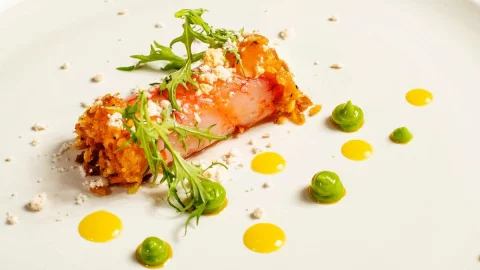
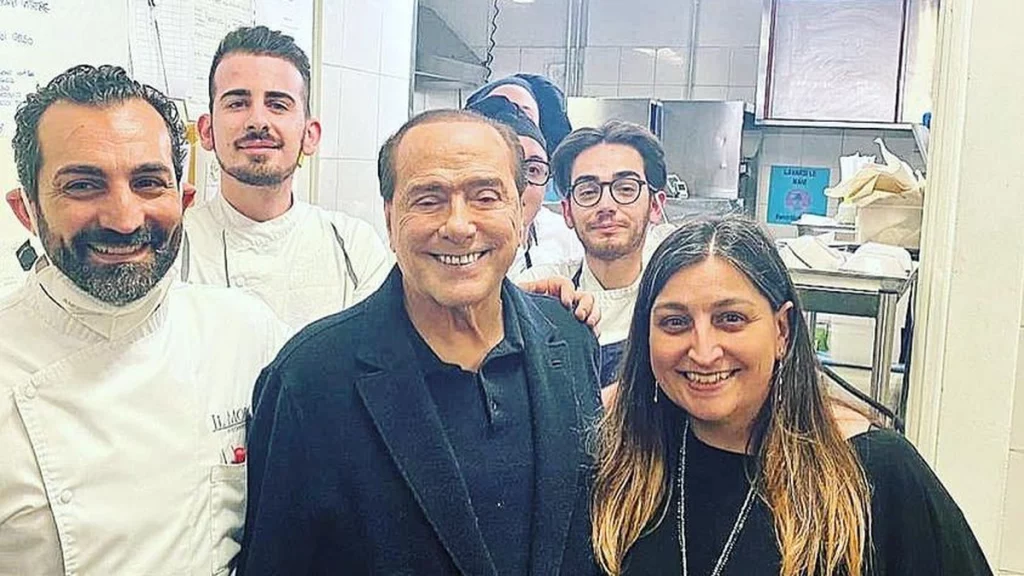
In Monza, the Il Moro restaurant run with all-Mediterranean passion by the three brothers Antonella, Salvatore and Vincenzo Butticé, originally from Raffadali (Agrigento), but firmly established in the Lombard town where they have made their restaurant a gourmet outpost of Sicilian gastronomy in the land of Brianza, offers a Caponata that deviates from the tradition but not from the flavors of Sicilian cuisine and in a certain sense, even in its innovative line, it declares fidelity to the historical tradition. Let's talk about theirs Aubergine caponata wrapped in Sicilian red prawn cannoli who according to what is said from father to son was much loved by none other than by Queen Margherita. In fact, it is said that the Queen, during the inauguration of the Agrigento Theater, asked that a caponata be served to her enriched with shellfish typical of the island such as red prawns and Lampedusa lobsters. Salvatore and Vincenzo Butticé have revised the historic recipe of the time, proposing it in a modern form but always adhering to the philosophy of a cuisine strongly rooted in the flavors of their island.
The Butticé brothers' recipe for aubergine caponata wrapped in Sicilian red prawn cannoli
Ingredients for 4 people:
• 250 g aubergines
• 80 g celery
• 60 g pitted green olives
• 125 g of tomato puree
• 1 liter peanut oil
• 4 g of salt
• 10 g sugar
• 100 g of white wine vinegar
• 5 g basil
• 500 g of Mazara prawns
• aromatic herbs salicornia, mizuna, glacial grass, basil
• 50 g extra virgin olive oil
• 40 g tapioca maltodextrin
• pastry bag
For the caponata:
Wash and brunoise the eggplant, fry it in peanut oil. Clean and brunoise the celery and olives
Bring 2 liters of water to the boil, once boiling, add the olives and celery, add the wine vinegar and leave to infuse for 30 seconds, using a strainer, collect the vegetables. Pour the tomato puree into a saucepan, bring to the boil, add the aubergines, olives, celery, season with sugar, basil and salt, mix and leave to cool.
For the prawn cannoli:
With the prawn tails, remove the casing and spread between two sheets of baking paper with the help of a meat mallet, spread until you obtain a sheet 3 millimeters thick, add salt and put the preparation back in the blast chiller for 30 minutes. Fill the sac a poche with the caponata,
Retrieve the sheet of shrimp, stuff it with the caponata and roll it up, let it rest for two hours in the freezer and portion it.
Plating:
Arrange the cannoli in the center of the plate. Complete with the aromatic herbs and the shrimp powder