The Italy that landslides – always, in every season of the year, in the mountains or along the coasts – in the Recovery plan prepared by Conte it is not there. In the super ministry of ecological transition that Grillo snatched from Draghi who knows if there will be a place for an organic project to finally secure Italy. Today the political and administrative powers are divided between Ministries, Regions, Intermediate bodies, all of which have been short of money for years.
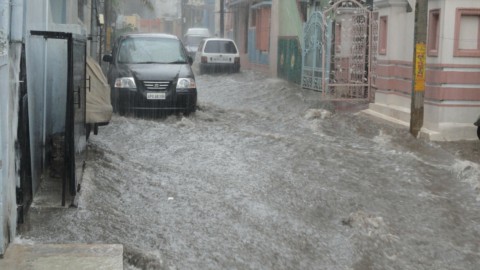
Renzi, in government in 2014, had launched the Italia Sicura structure, then closed in 2018 by the first Conte government as it was deemed of little effectiveness. However, no steps forward have been seen, despite the deceptive green celebrations of the Cinquestelle. Far from it. hydrogeological instability has been increasingly accompanied by climate change. Two pieces of news in recent days: the collapse under the snow of the ice shovel in Vipiteno and the landslides on the Amalfi coast. How much longer can we have miraculously casualty-free disasters?
The strength of good public powers lies above all in the safeguarding human lives. The pandemic has made everyone more aware of dealing with emergencies, but has not yet built the necessary protection network for the area. The Mayors are alarmed as are the Presidents of the Region, those of the mountain communities, the employees of the Civil Protection. Before other disasters, when preparing to rewrite the Recovery plan geologists denounced the "almost zero" investments envisaged by the Giallorossi government.
It is not the move of a lobby towards a new executive. Focusing on prevention, as we have been hearing for years, means investing with objective criteria. “In the PNRR, the 18 billion allocated to renewable energy, hydrogen and sustainable mobility, low enthalpy geothermal energy is not contemplated and mini hydroelectric, despite being the new frontiers of renewable energy. Furthermore, of the 15 billion provided for the protection of the territory and water resources, just 3,61 billion are reserved for interventions on hydrogeological instability, of which 3,36 billion are resources already allocated in 2019".
These are the figures contained in the document that the National Council of Geologists has put on the table of the nascent government. There is a need for investments that allow for far-reaching planning. And instead, coincidentally, those in the previous government who took care of this part of the National Recovery and Resilience Plan only provided for immediate interventions and emergency situations. There is nothing for the so-called non-structural interventions aimed at updating and systematizing knowledge, overseeing, monitoring and maintaining the territory.
With Mario Draghi, technique and skills will once again guide political choices. They will have to make scorched earth of errors, underestimations and preconceived nonsense. Professional technicians wish it. From their experience in the field they say that if the structural interventions are not effective in technical-economic terms, it will be necessary promote and encourage relocations and the urban regeneration of areas at risk.
Not easy operations, but let the new tenants of the building know that every year there are over 620.000 landslides for an estimated cost of over 65 billion. Grillo will be happy with the “his” super Ministry, but you need to have a lot of faith for it to work and know how to start from the territories.