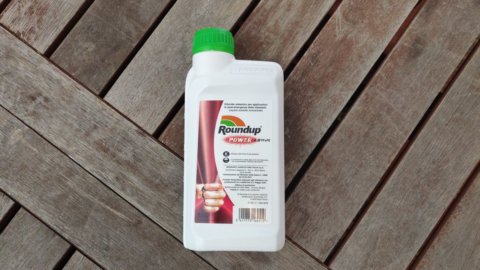
How much space is reserved for pesticides within the agricultural-food strategy"Farm to Fork” ? The question is specious because on October 13th the European Commission could approve the use of glyphosate for another 10 years throughout the EU. Glyphosate is the main pesticide used in agricultural crops, against which a decades-long battle has been fought. Carcinogenic yes, no, maybe, the final word is not yet there. The repercussions on production and exports in recent years have been very serious. Bayer, which produces it and obviously defends the product from accusations, has revised its economic forecasts downwards for 2023. It did so «above all due to a further significant sales drop of products based on glyphosates (a pesticide that ended up in the eye of the storm due to its dangerousness)". In a nutshell, 2,5 billion euros less on a turnover of over 50 billion. It will be remembered that there are Italian countries and regions where the product is prohibited. The studies and research that establish the dangers of the herbicide are countless and in a sort of economic-environmental perversion the European Commission admits that the use of the substance can cause damage to health. According to what the magazine reports LifeGate in Brussels it is also said that "nothing prevents, in a month, a year or five years from reopening the dossier if the scientific knowledge they had to justify it." In fact, the million signatures collected against glyphosateEFSA (European Food Safety Authority) responded that there is not yet sufficient evidence to ban it.
France and Germany in opposition
France and Germany are the countries most determined not to prolong the use of the pesticide for many years. The block responds to a regenerative logic of the respective agricultures to conquer markets with certified products. The farmers of the two countries do not have univocal positions, it is rather politics that calls for a turning point and a natural resumption of harvests. If we move forward united, fine, otherwise everyone thinks of themselves. There is a community strategy and the European agricultural policy has yet to have all its effects on markets and consumers. But if it must be supported bymassive use of herbicides of dubious effectiveness for human health, it will mean that something needs to be revised. The industry has its own benefit in making crops protected and the reasons for non-toxicity have been put forward at length. On the continental front, less than a year after the elections for the new European Parliament, the chapter on 360-degree sustainability is reopening, a theme that has marked the presidency of Ursula von der Leyen. And in this context we must not forget that the pesticides affair has cost millions of euros in lawsuits and appeals to European justice. With the proposal to prolong the use of glyphosate von der Leyen risks leaving adifficult legacy to those who come after her. And she wouldn't be the only one when it comes to green transition either.