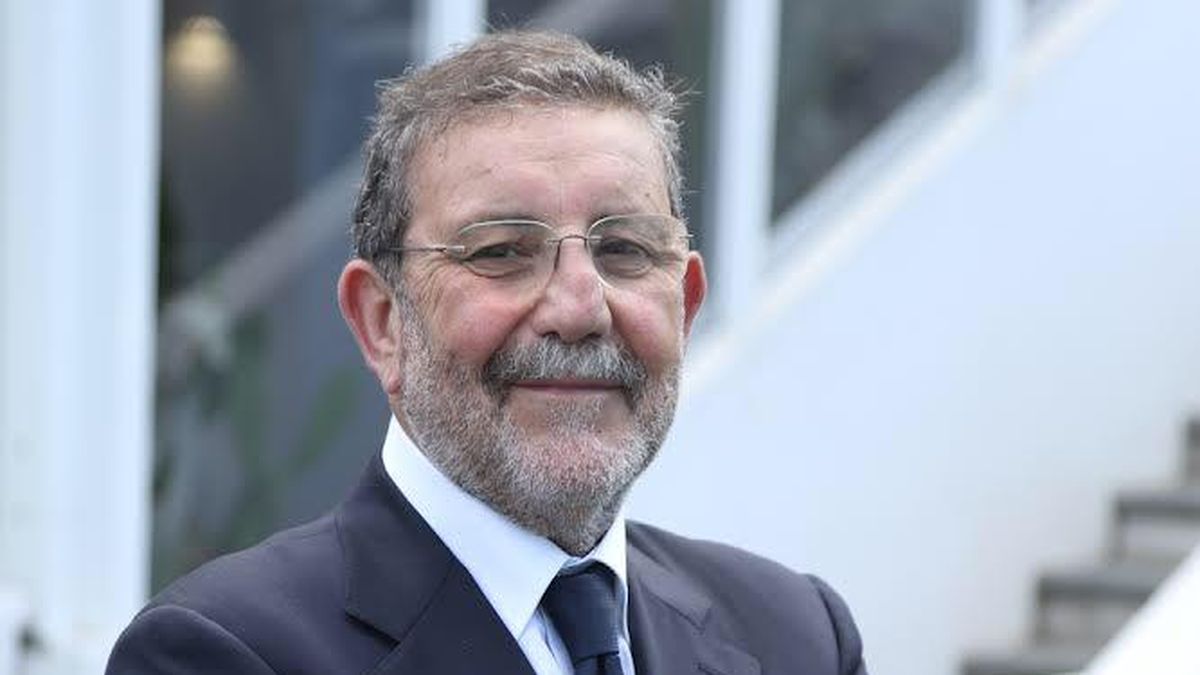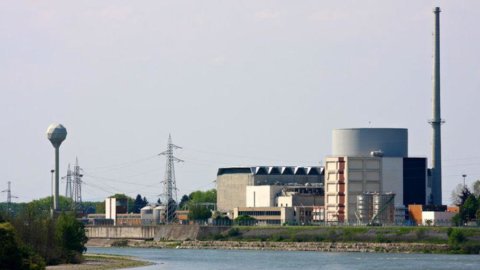
15 million euros are on the way for 63 Municipalities and 9 former Provinces. This sum marks the satisfaction of the President of Anci, Antonio Decaro. Fresh money, allocated by the government for municipalities and local authorities that host nuclear power plants and decommissioned sites. A small economic pawn, in lean times, in the long game of Italian nuclear energy. Already grappling with the closure of the plants, the State grants periodic economic compensation to the territories affected by a failed energy plan.
In recent weeks, Anci has worked hard to restore the mechanism that benefits the budgets of local authorities. He won it. The funds are now there and everyone can breathe a sigh of relief. The sums are provided for by a law of 2003 as territorial compensation for the existing plants up to their definitive dismantling. We managed to obtain the distribution of the sums - said De Caro - which are due to those who accept the old nuclear plants. The practical implication of these appropriations lies in the fact that they represent survival, the possibility of paying salaries and mortgage payments. The proceeds are placed in the budget, only to receive them materially. The Cipe approves them, but the clearance from the State-Regions Conference, which arrived the other day, is required. Four years late.
The history of Italian nuclear power is long and suffers from accelerations and postponements. For some time now, decommissioning has been accompanying a delicate path of "liberation" from an energy source rejected in 1987 with a referendum. All very different from the nuclear "constraint" chosen by France, Belgium, the United Kingdom, Spain, the Netherlands. The beauty is that in this dispute between "liberation" and "constraint" we have come to find the Europe of 27, which takes more than 10% of its energy needs from nuclear reactors. Will the Italian Municipalities in the future no longer want to have anything to do with the old plants and with the Sogin that manages them? Too early to say. Meanwhile, they have created coordination and are asking that the methods of economic refreshments become constant practice.
In the general framework of the transition to new sources, then, the search for the waste deposit continues. The public consultation on the Strategic Environmental Assessment started on 15 July. For two months it is open to everyone's contribution. Anyone can tell how and where to go to seal spent radioactive fuel by writing it on the portal of the Ministry of the Environment. Local authorities are waiting to know the Map of suitable areas to receive the waste that Minister Carlo Calenda, in Parliament, has promised by the end of the year. Municipalities are sensitive but they also know that the chosen place will derive economic and employment benefits. It is therefore necessary to keep pace in order not even to give the European Commission the possibility of issuing sanctions for non-compliance with directive 2011/70/Euratom referred to in a decree law of 2014.
Environmentalists and territorial committees keep the attention on waste high. There are some in Latina, Caorso, Trino Vercellese and Garigliano. Here last week the table of transparency on decommissioning, promoted by the Campania Region and Sogin, met. The dismantling work has started and will continue until 2026. Everything is taking place in safety, without fear for the populations who are now participating in the operational performances. The results of the International Atomic Energy Agency (IAEA) are also expected for September, which last month verified the Italian nuclear cycle closure program. Put the various topics together, will 2017 be the good year to compose the mosaic of an energy choice rejected by the Italians? Thirty years have passed and there is no lack of favorable opinions in support of climate change and CO2 surges.