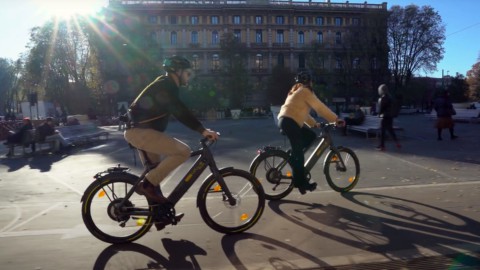
La electric mobility it is liked but it is not supported by good programming infrastructure. It still takes time to reach the levels of other European cities. It is clear that we would move much better if there were more and better available electric bike charging points. In fact, there is a percentage of purchased infrastructure that is not installed. The weak point is precisely the planning and management of the equipment. The company Bike Facilities, specialized in the sector, has studied the situation throughout Italy. Local administrations often do not know how to position infrastructure, hindering the implementation of light mobility projects. What if external experts arrived in local authorities? A collaboration public-private it can happen and the same company that prepared the focus is proposing it.
Electric mobility: the PNRR funds
In the last two years, 15% of the infrastructure purchased has remained unused. The pace of installation is slow. Lack of money? No. Again, the Pnrr It includes important initiatives.
Overall, funds have been allocated for all mobility 9,5 billion euros. “The PNRR offers an extraordinary opportunity to make the Italian territory more eco-sustainable. However, the absence of an integrated territorial strategy and in-depth knowledge of the bike sector and the specificities of the territory compromises the full success of these projects” comments Fabio Toccoli, founder of Bike Facilities. The company has organized itself to support municipalities in bringing together mobility, technology, tourism and accessibility. In fact, there is a percentage of infrastructure purchased that is not installed. The weak point is precisely the planning and management of the equipment. Local administrations often do not know how to position the infrastructure, thus hindering the implementation of light mobility projects.
Electric mobility: public and private together
In the last two years almost the 15% of purchased infrastructure remained unused. The pace of installation is slow. A total of 9,5 billion euros have been allocated. “The most eco-sustainable Italian territory. However, the lack of an integrated territorial strategy and in-depth knowledge of the bike sector and the specificities of the territory compromises the full success of these projects” comments the founder of Bike Facilities. The company has organized itself to support Municipalities in bringing together mobility, technology, tourism and accessibility. “Designing and creating innovative and future-oriented sustainable mobility solutions is no longer enough: our goal will be, in addition to continuing to create quality products for electric mobility, to support the professionals who will participate in the various phases of the project” adds Toccoli. It is clear that there are commercial and market positioning reasons. But doesn’t it make you think that in order to push for the eco transition, the public sector must open up to private individuals?