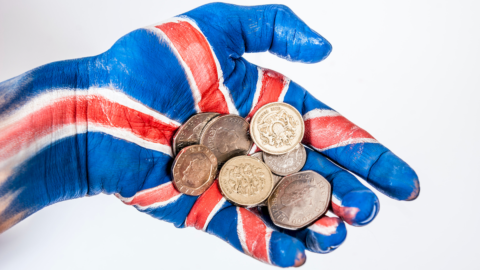
The inflation in Britain he scored in July the highest level for over 40 years. Indeed, the consumer price index rose by 10,1 % on an annual basis, against the 9,8% expected on average by economists and the 9,4% recorded in June. Last month's figure is the highest since February 1982. Not only that: the annual inflation rate of retail prices has reached the 12,3 %, the highest since March 1981. On a monthly and non-seasonally adjusted basis, the change was 0,6%. According to the British Statistical Institute, inflation was mainly driven by the soaring prices of food ed energy.
The Bank of England dilemma
The new data will only aggravate the fears of the Bank of England about the possibility that inflation will stabilize at too high levels. Although the danger of recession is more real than ever, earlier this month the BoE raised the key interest rate by 0,5% to 1,75%: it was the first increase of this magnitude since 1995. The central institution predicts that inflation will catch up the peak of 13,3% in October, when energy prices for households continue to rise.
"Every upside surprise in inflation adds to the difficulties of the BoE, which finds itself caught between mounting inflationary pressure and growing recessionary headwinds," said Luke Bartholomew, senior economist at asset management firm Abrdn.
Market expectations on British rates
Most economists polled in a Reuters poll earlier this week expect the Bank of England to raise interest rates by another half point, to 2,25%, at its next meeting of September.
Meanwhile, UK government bond yields two-year bonds, sensitive to interest rate expectations, rose to their highest level since June 21, when they reached a 13-year high.