The strike by workers at the former Ilva contract in Taranto began at 9:00 this morning. Workers occupied the provincial road to Statte and began a march toward the town hall, with severe repercussions on traffic. The protest comes after the rejection of the suspension on the stop to the hot area, which will have to stop by October 28thA deadline that makes the future of approximately 2.500 employees even more uncertain.
The demonstration comes ahead of a new meeting between the government and unions scheduled for tomorrow, Tuesday, September 15, at Palazzo Chigi. As of yesterday, however, a formal call had not yet been received. Fim, Fiom, Uilm and Usb They called for mobilization after the assembly held this morning in front of the plant's reception desk. The organizations announced the first 24 hours of the strike, indicating the start at 9am today and the conclusion at 7am tomorrow. The workers have the provincial road to Statte was occupiedA procession then set out through the Tamburi district, heading toward the City Hall. The roadblocks brought traffic to a standstill. A further roadblock was also announced on the state road toward Bari.
The unions are calling for extraordinary measures and warn that the protests could continue. "Let it be clear that we will not stop unless there are extraordinary solutions and measures for all workers," the strike announcement reads.
The stop to the hot zone and the October 28 deadline
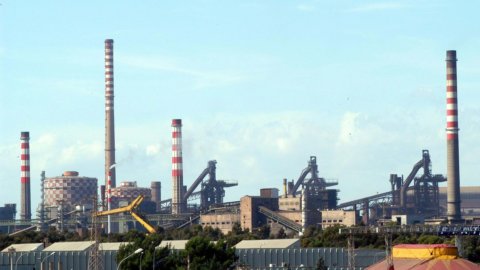
The dispute was precipitated by The rejection of the suspension request presented by Acciaierie d'Italia and Ilva in extraordinary administrationThe Milan Civil Court of Appeals upheld the order adopted at the end of July, which mandated the shutdown of the hot zone by October 28. The companies had requested suspension pending the Supreme Court's ruling, citing serious and irreparable economic damage, consequences for production capacity, and thousands of jobs at risk. However, the judges deemed the protection of citizens' health to be paramount.
The shutdown must continue until all asbestos remaining in the plants has been removed and the necessary measures have been adopted to bring particulate emissions back within safe limits. Among the critical issues highlighted by the Court are: over 2.000 tons of asbestos and protections considered insufficient with respect to PM10 and PM2,5 dust.
The passage to the Supreme Court of Cassation remains open, but the appeal, after the rejection of the suspension, does not stop the execution of the provision.
Layoffs frozen, uncertain future for 2.500 employees
The confirmation of the production stoppage weighs on the truce reached in recent days. Twenty-eight companies in the contracting and related sectors had frozen the collective dismissal procedures for approximately 2.500 workers., accepting the government's appeal and relying on guarantees of production continuity.
However, the suspension of the procedures has not resolved the crisis. With the suspension still in effect, the unions are demanding guarantees regarding employment and income, to prevent the closure of the hot-water area from turning into a new social emergency for Taranto. In its reasoning, the Court noted that the employment impacts forecast by the companies are not a sudden scenario, but a foreseeable risk, to be addressed over the years through necessary interventions on the plants.
The judges also highlighted the possibility, indicated by the Milan Public Prosecutor's Office, of employing workers in the remediation and adaptation of the plant. This prospect it does not yet constitute an operational plan capable of guaranteeing the future of the employees.
The meeting scheduled for tomorrow at Palazzo Chigi
Today's protest, the trade unions have clarified, is not against the decision of the Court of Appeal, but against the responsibility of governments who succeeded one another in the management of the former Ilva.
“We asked the government to sit down at a table, but there was no response regarding the workers,” he declared this morning from the picket line. Francesco Brigati, general secretary of the Fiom-Cgil of Taranto. "The summons for tomorrow's meeting at Palazzo Chigi hasn't arrived yet." Brigati then called for political responsibility for the crisis. "The closure of the hot zone is the responsibility of all governments: the decree from the Milan Court of Appeal has filled a political vacuum."
The meeting between the government and the unions is scheduled for tomorrow, while until yesterday the formal summons had not even reached the commissioners of the extraordinary administrations of Ilva and Acciaierie d'Italia. Job security, income protection, and an industrial plan for Taranto The demands remain at the heart of the mobilization. "Time is up," the unions reiterate, as the strike continues.