Turn off the taps, reduce the heating hours and maybe take a semi-cold shower: we are sure that for save on your bill do we have to give up, suffer, sneeze? It is not so. Or rather, it may not be so. To counter the dear energy sometimes it doesn't take much: some tricks, in our behavior but above all in our energy endowments, e cut bills it becomes possible. We can save gas and electricity by giving up very little or even nothing. In the name not of saving but ofenergy efficiency. The best way, the most drastic, is certainly to renovate our home trying to make use of tax bonuses as much as possible to replace fixtures and equip ourselves with high-efficiency boilers and systems. But even without embarking on such demanding actions, a lot, a lot, can be done.
The starting point is certainly in the very sensible advice that comes from the Government, contained in the containment plan of gas consumption linked toemergency caused by war in Ukraine, but also by institutions actively involved in energy innovation, starting from Decalogue that Enea presents to us every year in an updated version. Appropriate and sensible advice and recommendations, which however have an unpleasant side effect: they impose sacrifices in terms of comfort.
So here are some suggestions on behaviors that can make us save on your bill without giving up anything, thanks to a few simple and quick interventions on our energy supplies that combine well with the official "energy saving" recommendations.
How not to waste energy and retain heat in just a few steps
An unjustifiable energy sieve? That's right. Many homes waste energy not only because they lack the latest construction features ranging from the so-called coat for wall insulation perimeter to low dispersion fixtures. A non-negligible share of heat losses could be eliminated, in older homes, with some simple expedient that we can provide ourselves with a very limited spending: in old window frames, typically made of wood and not equipped with double glazing, at least 10% of the heat loss can be eliminated by equipping the perimeter of the closing area with a simple adhesive gasket to be purchased from the hardware store near the house.
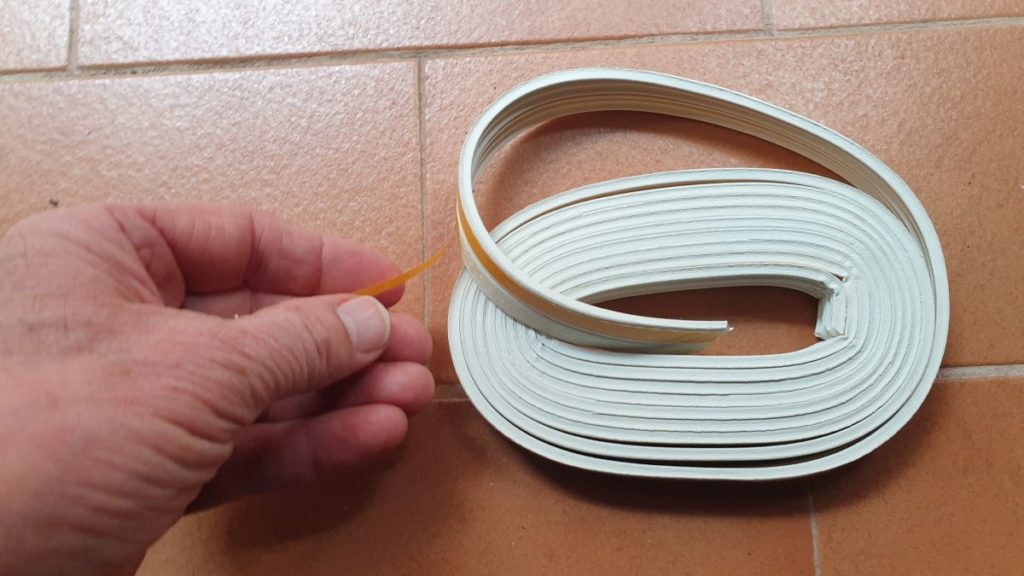
The same intervention may be appropriate for the so-called "celetti", or rather the covers of the roller shutters that we find above our windows: an area of dispersion too often ignored. The same goes for the entrance door: even if it is a latest generation armored door, the seal against air infiltration is often precarious. Here too an adhesive gasket can be the solution.
Save on bills: remotely control our energy devices
Remotely controllable smart electrical sockets (to be placed between the wall socket and our device but also those, tiny and practically invisible, which are installed inside the electrical socket) and digital thermostat for the boiler or air conditioner, connected via the Internet and controllable with one apps from your smartphone. We don't need an expensive revolution of our electrical system or the complete replacement of the air conditioning systems with the latest generation ones. Even a simple modernization of our old equipment can go a long way.
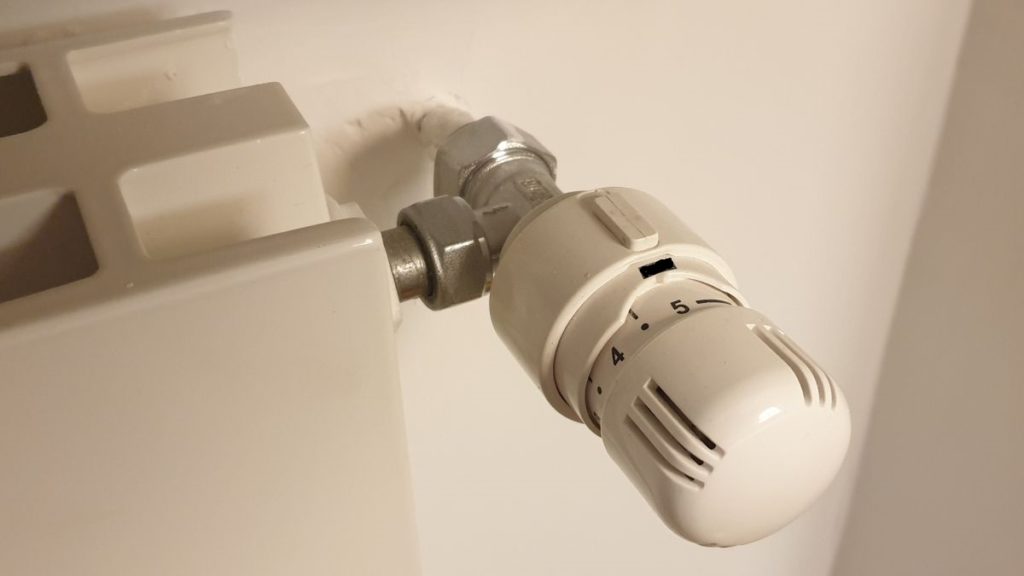
Le thermostatic valves to be installed individually on each radiator (even in old systems, if we are not already equipped with the metering valves of the condominium heating systems) not only serve to comply with the latest regulations, but also allow us significant savings on bills thanks to the possibility of heating less frequented rooms or less in need of induced heat (the kitchen or laundry, for example). We can install them cheaply, but it's worth doing more: these days it's a promotional offer (we're on the wave of Black Friday but if you search the Web well, you can always find opportunities) that cost just over 100 euro also makes it possible to equip our old gas boiler or electric air conditioner with a connected thermostat which does not limit itself to turning the heating (or cooling) on or off thanks to a pre-set algorithm which we can however modify as we wish, but gives our system all the intelligence of the latest generation boilers and air conditioners, which allows for example to modulate the heating intensity minute by minute, combining comfort with the amount of energy used in the best possible way, also thanks to artificial intelligence who gradually assimilate our habits of attending the house.
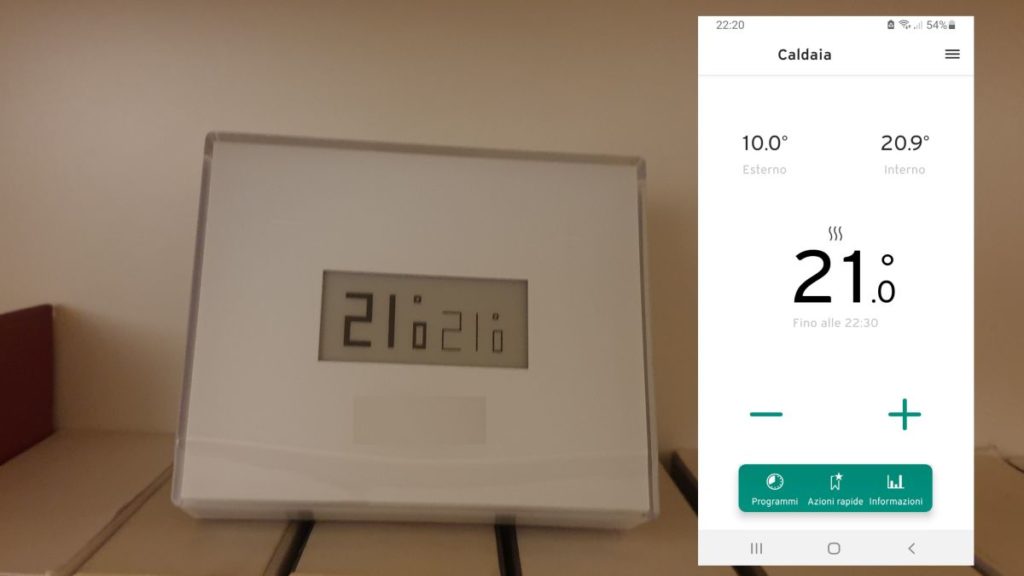
It is a device that we can easily install on our own, of which there are also versions with an autonomous cellular communication module for those who (now a very rare case) do not already have an Internet connection at home. The saving gas or electricity that we can obtain for the same result goes by 20 to 30%. Not bad, perhaps waiting to equip ourselves also thanks to the tax bonuses with the latest gas condensing boiler or triple class A air conditioner.
These are interventions that globally can cost us a few hundred euros, which however we can recover, considering the significant increases in energy raw materials, in a few months.
Help also from our condominium
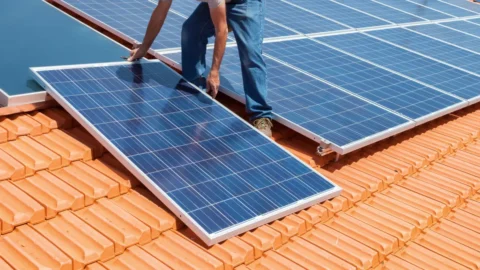
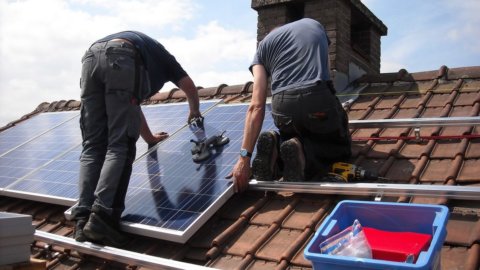
A source of waste (and therefore of opportunities) too often ignored or in any case underestimated concerns ours condominium. We have one centralized boiler what is the use of all the apartments? It is certainly worth taking a look at its efficiency: if it is not a relatively recent condensing model it is certainly worth replacing it, especially if we are able to carry out the operation enjoying the ecobonus also provided for the condominium equipment. In this case, the investment pays for itself in a very short time: net savings are guaranteed in just a few months. And if we want to be daring, why not evaluate, on the occasion of the condominium assembly, the installation of consortium solar panels on the roof, which moreover pave the way for the concessions linked to energy communities?
But in the meantime we can do a lot, quickly, with an expensive pose and a lot of yield. Because each condominium is invariably characterized by numerous energy-eating structures: stairs, halls, courtyards. It is not enough to have installed energy-saving light bulbs (the old filament ones have practically disappeared for years). Are dozens of light bulbs burning all night really justified? It is certainly worth evaluating the installation of proximity sensors, perhaps keeping a part of the bulbs always on and the rest to be activated temporarily automatically when someone approaches. A good electrician will be able to modify the system with limited expense.