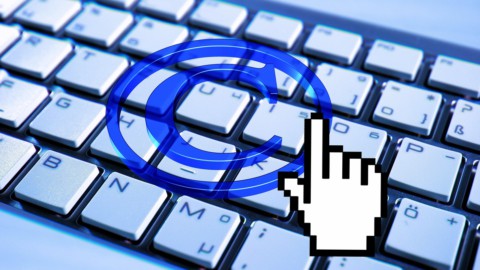
On 26 March the European Parliament approved the European directive on copyright which contains the new rules on copyright. The original text – written in 2016 by the Commission to update legislation dating back to 2001 – has undergone several changes over time. At this point, all that is needed is the go-ahead from the European Council to conclude the legislative process, after which the countries of the Union will have two years to transpose the directive into national legislation.
Here is a summary of what the new European rules on copyright provide for.
1) NEWS FOR THE GIANTS OF THE WEB
Giants like Google, Facebook and YouTube will have to pay a fair compensation to those who hold copyrights on the contents used on the net.
Not only that: the large online platforms will also have to automatically filter the material uploaded by users, removing the one protected by copyright.
Artists will be able to demand additional remuneration from those who exploit their works when the fee originally paid is considered "disproportionately" low compared to the resulting benefits.
2) ARE THERE EXCEPTIONS?
Yes. SMEs and startups with less than 5 million unique users per month and less than 10 million in turnover per year will be subject to less stringent constraints than large platforms.
3) WHAT IS CHANGING FOR PUBLISHERS AND JOURNALISTS?
Newspaper publishers will be able to negotiate content deals used by news aggregators.
Journalists, on the other hand, will be entitled to collect a portion of the revenue their publisher has earned thanks to the new copyright rules.
4) WHAT CHANGES FOR MEME AND GIF?
Nothing changes for memes and GIFs: they remain outside the EU directive. The same goes for material uploaded to non-commercial online encyclopedias (such as Wikipedia) or open source software sharing platforms (such as GitHub).
5) IS THERE REALLY A LINK TAX?
No, the link tax is fake news. The EU Directive imposes no costs or limits on user activity.