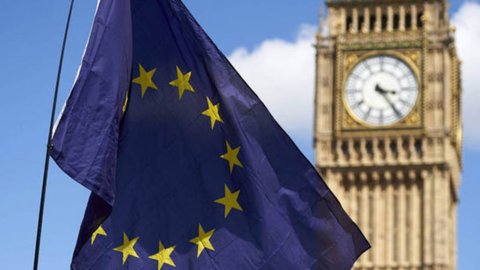
It will be a historic date that will change the future of the old continent. On 29 March 2019, the United Kingdom will officially leave the European Union. The time has also been fixed: Brexit will arrive at 23pm. This was established by the Conservative Premier, Theresa Mey who, through an amendment to the Withdrawal Bill, the law on Great Britain's exit from the EU, puts the day and time of divorce.
There will therefore be less than a year and a half to conclude the vitriolic negotiations between the parties, despite the fact that the situation is currently on the high seas. Yesterday, 9 November, there was in fact yet another meeting that ended in nothing, a meeting that followed the summit of 20 October during which the EU warned May that London had not made sufficient progress to move the negotiating table from issues relating to divorce to the topic of future business relationships. So time is running out.
The prime minister explains his decision today in a speech on the Daily Telegraph in which he states that he "does not intend to tolerate" any attempt to block the exit from the Union.
The declarations of Michel Barnier, the EU negotiator for Brexit, arrived: "We are not there yet, we need clarifications within two weeks so that they can be taken into account at the EU summit in mid-December".
Barnier's words came on the sidelines of the sixth round of negotiations between the two delegations: "it is necessary to have sincere and real progress, it is not a question of having all the details, but it is necessary to have, I repeat, effective progress". At issue are the usual three key points for the EU: rights of EU citizens residing in the United Kingdom, the Anglo-Irish border, payments to the Union on the commitments decided on by the 28.