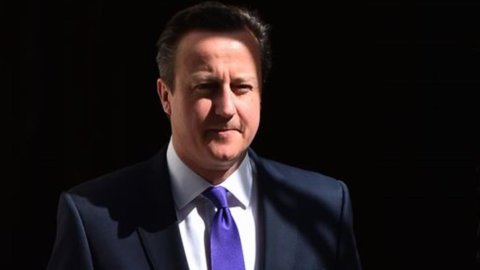
David Cameron dictates the four conditions necessary for the permanence of Great Britain within the European Union. Diktat which, however, the EU considers problematic and which could compromise the future of the entire continent.
In the context of a letter sent to EU Council President Donald Tusk, the British prime minister lists the requests that will be the subject of negotiation with partners in view of the referendum on Brexit which according to the latest rumors should be held between June and December 2016.
Cameron leaves no room for doubt as to what his intentions are: "if our legitimate requests come up against the deafness of our interlocutors, Great Britain will evaluate whether EU membership is really advantageous".
In other words, Downing Street will decide whether to ask its citizens to say "no" to the European Union.
But what are the four conditions?i listed by David Cameron? The first concerns the so-called "opt-out", ie the possibility for Great Britain not to respect the clause of the Treaties which establishes participation in an "ever closer" Union. The second instead has to do with the recognition of a multicurrency single market, i.e. multi-currency. What Cameron is therefore asking is that the pound has the same "rights" as the euro when further integration between EU countries is achieved.
Thirdly, Downing Street claims a stronger role for individual national parliaments in correcting EU legislation. The last condition concerns theaccess to welfare for intra-community immigrants. On this question - which London considers "non-negotiable" - the British prime minister has requested that access to welfare benefits and subsidies for a non-English citizen starts after four years of stay within the nation. The same limitation could also be extended to British citizens returning home after having lived abroad.
These are the key points of the letter David Cameron sent to President Donald Tusk which will be discussed at the summit to be held in Brussels in mid-December. The words contained in the letter have already aroused an initial reaction from the European Union. Indeed, European Commission spokesman Margaritis Schinas pointed to a few “feasible” aspects, others “difficult, such as those on relations with eurozone countries and opt-ins and opt-outs” and “other highly problematic ones, which affect the fundamental freedoms of the internal market”. “Discrimination between European citizens – underlined the spokesman – falls into this category”.
To discuss the matter, today (in conjunction with the Ecofin meeting), the President of the European Commission Jean Claude Juncker will meet the Chancellor of the Exchequer George Osborne.
Attachments: David Cameron letter.pdf