They are more and more numerous women leading central banks international events, a sign that although the road is still long and arduous, the glass ceiling is slowly beginning to break. With the appointment of Michael Bullock at the helm of the Reserve Bank of Australia (RBA), to date 24 out of 186 central banks are led by women. To these we must also add the Bulgarian language Kristalina Georgieva who since 2019 has been at the helm of the International Monetary Fund, one of the most influential economic institutions in the world.
The appointment of Michele Bullock to head the Reserve Bank of Australia
Michele Bullock will be the new governor of central bank of australia. He will take over from Philp Lowe, whose term expires shortly. Australian treasurer Jim Chalmers and Prime Minister Anthony Albanese have in fact decided not to reappoint Lowe for another 7 years in the wake of the rampant protests that are exploding in Australia due to the sharp increase in interest rates.
Bullock, who works for the Reserve Bank of Australia as an analyst for almost forty years. she will be the first woman to lead the Australian Central Bank since its inception in 1960. Her mandate will begin on 18 September.
Central banks: the 24 women in charge
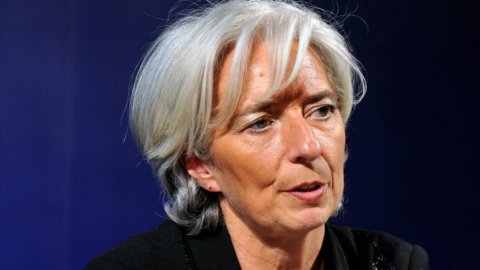
The most famous is undoubtedly her, Christine Lagarde, who has been leading the European Central Bank since November 2019 in a very difficult period for the Eurozone, characterized by pandemics, wars, energy crises and high inflation. Forced first to use the bazooka and then to raise interest rates to levels not seen for years.
However, it was she who led the way for the many women who lead the Central Banks today Janet Yellen, number one of the Federal Reserve from 2014 to 2018 and today secretary of the United States Treasury. Among the most famous there is then El'vira Nabiullina, since June 2013 Chairman of the Central Bank of the Russian Federation.
He made a lot of noise last month, it's the nomination Hafize Gaye Erkan, a former bank executive in the United States, to the presidency of the Turkish central bank. Not an easy role considering that Erkan is the fifth president of the Turkish Central Bank in four years. A coming and going also caused by the strong interference of President Recep Erdogan who has practically eliminated the independence of the bank. Not surprisingly, in a period in which all the other central institutions raised interest rates to fight inflation, his predecessor was forced to cut them, causing first the collapse of the Turkish lira and then the soaring of the inflation, which last year rose above 85%.
Numbers in hand, to date there are a total of 24 women who lead the 186 central banks around the world, the highest figure since the Official Monetary and Financial institutions Forum began counting.
As mentioned, there is still a long way to go: among the 190 member countries of the International Monetary Fund, only 26 have women at the helm of the ministries of economy and finance and only 17 have a woman at the helm of their central bank. In percentage terms, only 11,3% of the most important political and economic figures are women.