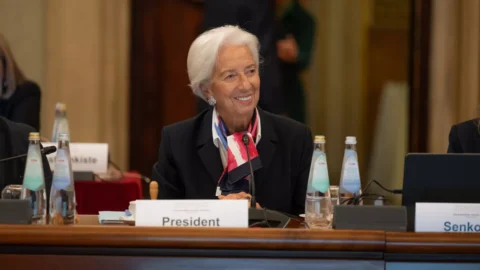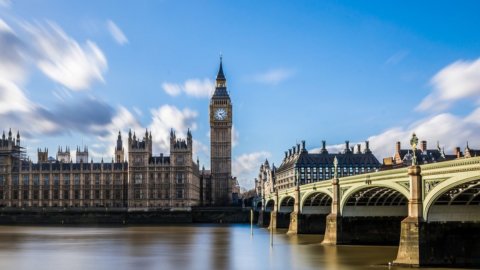
Il UK prepares for one fiscal maneuver of great impact: the Budget 2026, presented by the Chancellor of the Exchequer, Rachel Reeves, aims at raise £26 billion through new cups, changes tax and interventions targeted at pensions, luxury properties, dividends and corporate investments. The surprise was not in the numbers, but in the news leak unprecedented: due to a technical error of theOffice for Budget Responsibility (OBR), the government's independent forecasting body, published the document online ahead of schedule, revealing all the new developments in advance.
Income taxes and fiscal drag
At the heart of the maneuver is the income tax thresholds to be frozen until 2031. Even without increasing the rates, the phenomenon of taxation drag It will push more workers into the higher tax brackets, with wage increases currently at 3,6%, higher than the European average of 2,1%. Experts estimate that over six million people already pay income tax, and 3,36 million will be pushed into the highest or additional tax brackets, effectively increasing the tax burden on families. The Chancellor clarified that the decision was made by the previous Conservative government, but emphasized that "everyone must contribute" to addressing public finance challenges.
Specific sectors: gaming, betting and luxury real estate
The Budget provides for targeted interventions in specific sectors. gaming taxes and on online betting will go from 25% to 40%, while the luxury properties, those valued above £2 million, will be subject to additional taxes: £2.500 per annum above £2 million and £7.500 above £5 million, starting from April 2028. Also the rental income tax will rise by 2% from 2027.
Le dividend taxes will increase by 2 percentage points, bringing the basic rate from 8,75% to 10,75% and the highest rate from 33,75% to 35,75%. To incentivize newly listed companies, the government has provided for a three-year exemption from the Stamp Duty Reserve Tax, aimed at attracting IPOs, although many analysts point out that the effect will be limited if the incentive does not become permanent.
Pensions and salary sacrifice
A significant novelty concerns the private pensions: the government will limit contributions made through salary sacrifice to £2.000 per year from April 2029, with a significant impact on future pensions, especially for young people. Experts warn that the measure could significantly reduce expected pensions, exacerbating the difficulties of pension planning in an already complex environment.
Treasury's room for maneuver and market reaction
Il fiscal buffer of the Treasury will be doubled, rising from 9,9 billion to 21,7 billion pounds, providing greater flexibility for unexpected expenses and reassuring markets. The reaction was positive: the yield on the 10-year British bond fell below 4,45%, the FTSE 100 gained 0,6%, and the pound rose 0,2% against the US dollar.
Il debt public remains high, at £2,6 trillion (83% of GDP), but the Chancellor has assured that it will continue to decrease over the course of the parliamentary term, while investment, especially in infrastructure, remains a priority.
Impacts on families and citizens
Despite the challenging fiscal environment, Reeves announced measures to support families and citizens: raising the minimum wage, freezing train ticket prices, and abolishing the subsidy cap for families with more than two children, measures that will lift 450 children out of poverty.
Economic prospects between light and shadow
On the economic front, the perspectives from the United Kingdom are conflicting. The real GDP for 2025 it is estimated up 1,5%, half a percentage point higher than the March forecast, but the medium-term estimates between 2026 and 2029 point to an average growth of 1,5%, slightly lower than the previous forecasts due to the stagnation of underlying productivity, now estimated at 1%. Also the growth in labor supply and capital deepening remains low, at 0,5% and 0,2% respectively.inflation will remain elevated longer than expected, fueled by rising food prices, while the unemployment rate will remain around 5% until 2027. Corporate profits will decline in 2025 before a moderate recovery, less than expected in March.
Impact on tax revenues and debt
Economic and fiscal changes in the 2026 Budget will increase overall revenue by £16 billion in 2029-30 Compared to the March forecasts, net borrowing before measures will increase by €17 billion this year and €6 billion in 2029-30, while direct fiscal policies will increase debt by €6 billion next year and then reduce it by €15 billion in 2029-30. Tax increases, amounting to €0,7 billion next year and €26 billion in 2029-30, will more than offset the increase in spending, while the indirect effects of the measures will contribute to a €2 billion reduction in debt in 2026-27. In other words, the Treasury is anticipating the situation.
Looking at the percentages of GDP, tax revenues will rise from 35% in 2024-25 to over 38% by 2029-30, while government spending will hit 45% in 2025-26 before declining to 44% by 2030-31. Debt will decline from 5,1% to 4,5% this year and to 1,9% in 2030-31, while public sector net debt (PSD) will rise slightly, from 95% to 97% of GDP in 2028-29.