The world of luxury is in turmoil. On the one hand, Versace, the iconic Italian fashion house currently controlled by the American Capri Holdings, could soon return to Italian hands thanks to aoffering driven by Renzo Red, owner of Diesel, president of the Otb group (Only The Brave) and owner of Vicenza Calcio, which plays in Serie C. On the other hand, another major player in the sector, Stella McCartney, chose to buy back the minority stake held by the French giant lvmh, marking a return to independence for his brand after five years of collaboration.
Two different operations, but which highlight how, in the luxury sector, the big brands are committed to redefining their identity and their strategies in a complex market context.
Versace is back on sale: who wants the jewel of Italian luxury?
As reported by The print, the file for the Versace sale had been circulating for a year among investment funds and large international groups in the fashion sector. However, today the negotiation seems to have taken a more concrete turn. Capri Holdings, which also controls the brands Michael Kors and Jimmy Choo, has entrusted the investment bank Barclays the task of find a buyer for both the Italian fashion house and the British footwear brand.
After an initial phase of negotiations involving over ten potential buyers, the list has narrowed down. According to financial sources, the dossier could see a decisive turning point as early as February. Among the names still in the running, in addition to Renzo Rosso, are the private equity fund Permira e Marco bizzarri (former CEO of Gucci), who is reportedly busy raising the funds needed for a potential investment.
On the contrary, the intervention of Prada, initially indicated as interested, appears less and less likely today.
Complicating the situation, and perhaps speeding up decisions, was the recent Blocking of the merger between Capri Holdings and the Tapestry Group (which controls brands such as Coach, Kate Spade and Stuart Weitzman). Last October, a New York Federal Court judge halts project to avoid the risk of monopoly, forcing Capri Holdings to review its strategies and consider the disposal of some assets, including Versace.
The Valuation Obstacle: How Much Is Versace Worth Today?
The biggest obstacle to closing the deal remains the review Economic Sustainability of the Versace brand. In 2018, Capri Holdings acquired the Italian fashion house for over 1,8 billion euros, taking it over from the Versace family and the investment fund Blackstone.
Today, however, the economic context has changed. The luxury sector is facing a period of slowdown, with a contraction in demand in China, one of the main markets, and a general difficulty on a global level. Although some positive signals come from recent data from groups such as Richemont, the Versace's profitability decline and the crisis in the sector are inevitably influencing price expectations.
The parties involved are therefore faced with a complex challenge: finding a valuation that satisfies all parties involved, at a time when the market does not guarantee certainty.
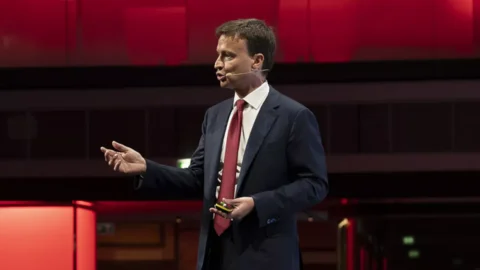
Renzo Rosso and Otb: the dream of a new luxury empire
With Otb Group, Renzo Rosso has already built a galaxy of prestigious brands, including Maison Margiela, Marni, Jil Sander, Viktor & Rolf, and a minority stake in Amiri. Added to this are the activities of Staff International e Brave Kid, who manage production and distribution for various brands.
Rosso, always an innovator in the fashion sector, expressed a clear position through official sources: "Otb evaluates all the opportunities on the market that are in line with the philosophy and positioning of the group". And Versace seems perfectly in line with this vision.
Stella McCartney Buys Back Her Stake From LVMH And Goes Independent Again
Star McCartney has decided to buy back the minority stake held by lvmh in his maison, marking the end of a collaboration duration over five years. The decision, communicated jointly by the two parties, marks a new chapter of independence for the designer, after a period described as a “fruitful collaboration” during which the French luxury giant helped strengthen the foundations and governance of the brand.
The partnership with the French luxury giant had made headlines in 2019, surprising the fashion industry: for years, in fact, Stella McCartney had been linked to rival Kering, a group that controls brands such as Gucci and Saint Laurent. Now, with the end of this agreement, the English designer has chosen to regain full control of her fashion house, while maintaining a role as global ambassador for sustainability for LVMH. In this role, she will continue to advise Bernard Arnault and the group's executive team on issues related toenvironmental ethics, a central theme for his brand.
Stella McCartney, known for her commitment to sustainable and cruelty-free fashion, recently received the Peta recognition as a “leading brand for vegan and sustainable luxury”. Its separation from LVMH therefore marks an important step, but not a complete break, leaving open spaces for collaboration on common themes such as sustainability.