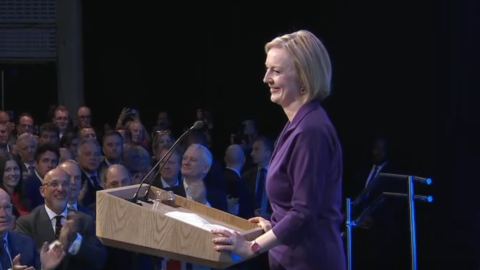
Some call it an about-face, others a U-turn. Still others, the most critical, speak of surrender and "an incompetence that hurts the United Kingdom". The point, however, always remains the same: ten days after the announcement that you sent the markets into a tailspin, the British Prime Minister Liz Truss decided to give up the now famous tax cut for the wealthiest sections of the population, the most controversial point of a £45bn tax reform, all debt financed, which involved cutting 5 points, dat 45 to 40 percent, of the tax rate to which citizens with incomes exceeding 150 thousand pounds are subject. The reverse came, among other things, less than 24 hours after an interview with BBC, in which the Premier confirmed, comma by comma, her tax plan aimed (in her opinion, much less according to economists and politicians) to grow the UK economy, admitting only that she should have "prepared the ground better".
The reasons for the about-face: why Liz Truss canceled the tax cut for the wealthiest citizens
To convince Truss to go back on his decision did not help the historical collapse of the poundnor the record surge in government bonds or the pension fund crisis. Not even the unprecedented criticism received from the International Monetary Fund, or the fact that the Bank of England was forced to intervene directly on the issue, buying 65 billion bonds, had prompted the Premier to backtrack.
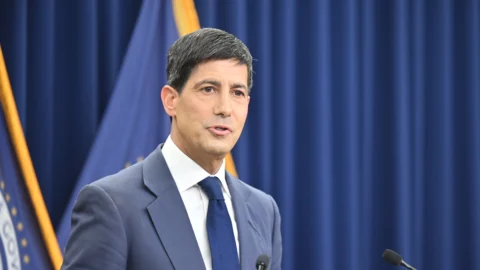
Instead, the decisive factor was the Conservative Party annual meeting currently underway in Birmingham. After discussions with party colleagues, Truss and the Chancellor of the Exchequer Kwasi Kwarteng understood that they could no longer go on, convincing themselves of the need to withdraw the measure to avert what would have been a real political massacre which could have resulted in a humiliating defeat in Parliament or, even worse, a a mistrust in record time.
During the conference, it has indeed become clear how many members of the Conservative Party they would not have been willing to support the measure in the House of Commons. Among them, also important exponents of the party such as former minister Michael Gove who, speaking at the BBC, hinted that he would not vote in the Chamber to vote for a measure that benefits the rich at a time when "ordinary citizens" are having a hard time making ends meet due to inflation and the energy crisis. The former Minister of Transport, Grant Shapps, and the former Minister of Culture, Nadine Dorris, are also of the same opinion, who reiterated their opposition to a highly unpopular decision, especially in a period in which the polls assign Labor has a lead of no less than 33 points. Not only that, yesterday evening rumors began to circulate about one convergence between Conservatives and Labour aimed at burying the plan in Parliament. Having reached the point of no return, Truss and Kwarteng have finally decided to give up.
Kwarteng's announcement
This morning, the Chancellor of the Exchequer, the equivalent of our Treasury Minister, announced on Twitter: “We will not go forward with our plan to remove the 45% tax rate. By now it has become a distraction to our mission to overcome the challenges we face. We understood the lesson, we listened to it,” wrote Kwarteng, excluding his possible resignation.
A few minutes later, reiterating the words of his minister, Truss confirmed the cancellation of the measure, stating that, "Our focus now is to build a high-growth economy that funds world-class public services, raises wages and creates opportunities across the country."
Instead, they were confirmed the other measures contained in the tax package, including the one-point cut (from 20 to 19%) of the basic rate and the renunciation of raising corporate taxes.
The reaction of the markets: the developments of the pound
As happened on the day of the presentation of the tax reform, also in this case the reaction of the markets was not long in coming. This morning the GBP it is at a 10-day high against the dollar, around 1,12, while trading at 0,876 euros (0,8791). It also loosens the strain on bonds: the yield on ten-year British bonds falls by 8 points to 3,99% and that on thirty-year bonds by more than 4 points to 3,76 per cent.
“From the point of view of the markets it is a positive step in the right direction. It will probably take some time to digest the message, but the measure should help ease the pressure, perhaps less on the currency, for the moment,” Jan Von Gerich, chief analyst at Nordea, told Reuters.