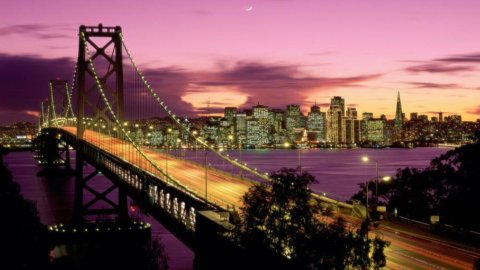
After the gold rush, there was the lysergic acid rush and finally the silicon rush. And the wild and dusty West full of rude seekers, first became a psychedelic mecca and then the Silicon Valley, populated by little rude nerds with huge bank accounts. A transformation that is still in progress and that is changing California. Also and above all with regard to the real estate market.
At around 50 – recalls the Wall Street Journal – since the Summer of Love that made San Francisco the epicenter of the hippie movement, a new generation is redefining city culture. No longer content to live in the quiet college suburbs of Palo Alto, young hi-tech workers are migrating to the city in search of a more urban and multicultural lifestyle. A new flow that brings with it ideas, startups, innovative companies and venture capital. And the effects can already be seen: soaring house prices and gentrified neighborhoods that were once less well-kept.
The cost of sight is high for the new hi-tech classes. Average home sales prices in San Francisco jumped 16% in 2013, according to the local association of real estate agents. “It was a year of price shocks,” Annie Williams, an agent at Hill & Co in San Francisco, told The Wall Street Journal. He cites the names of neighborhoods south of the city – including Mission, the area where Facebook number one Mark Zuckerberg bought a house in 2012 for $9,9 million – those closest to Silicon Valley, such as those most touched by the boom.
Not everyone likes the changes taking place. A group of demonstrators trying to raise awareness of high rents in the Mission neighborhood recently blocked private buses that carry workers from high-tech companies to work, including those at Google, Facebook and Apple. Musician Adam Theis, founder of the JazzMafia music collective is among those who had to flee the area after the rent on his two-bedroom apartment, where he had lived since 1997, went from $1400 a month to $3. per month.