Il slight increase in interest rates of interest in recent months is due to the equally slight increase in interest rates inflation, to improvements of thereal economy, to concerns about the financing of budget deficits (smaller surpluses and/or higher deficits in Europe) and the situation of the US public debt (it was at 104% of GDP in 2018, it is estimated at 108% this year and projected by the IMF at 115% in 2014), to one reaction to the previous excessive reductions, or to the inscrutable 'background noisesof the markets? Given that the latter are, in fact, inscrutable, the answer lies in a conjunction (with unknown weights) of the first four causes. In fact, the world economy is improving slightly (an adverb that describes these years of torpor), bringing with it a little more demand pressure (especially on raw material) and a little more optimism (which alleviates the excessive pessimism that had pushed rates down). These increases are market facts, given that the Central banks they did not change the expansive posture.
The anomalous rise in yields of btp (exceeding the upwards of Waist e T Bond), which had its roots in the vain controversy over the Mes, is maintained, given the doubts about the stability of the Giallorossi government.
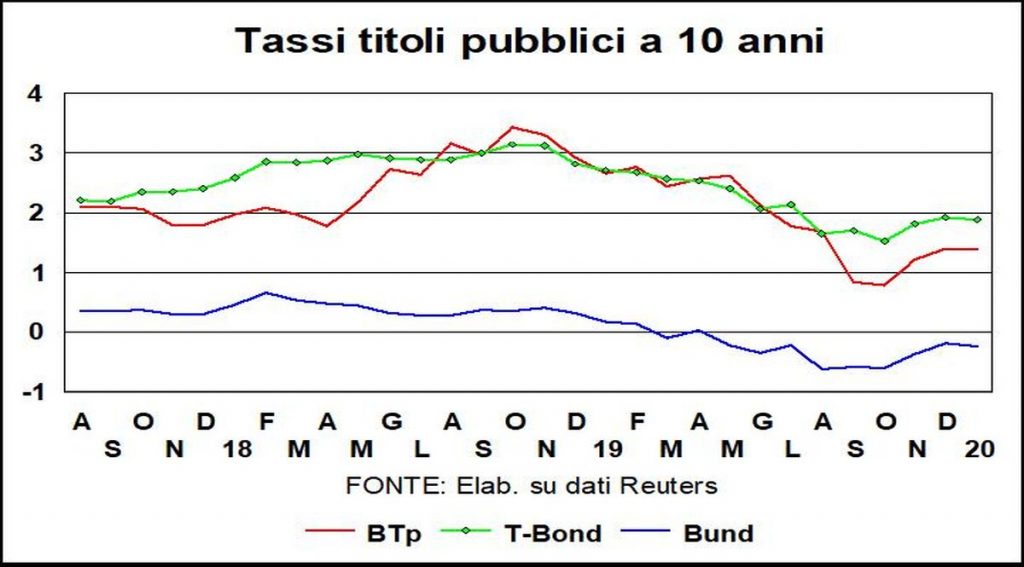
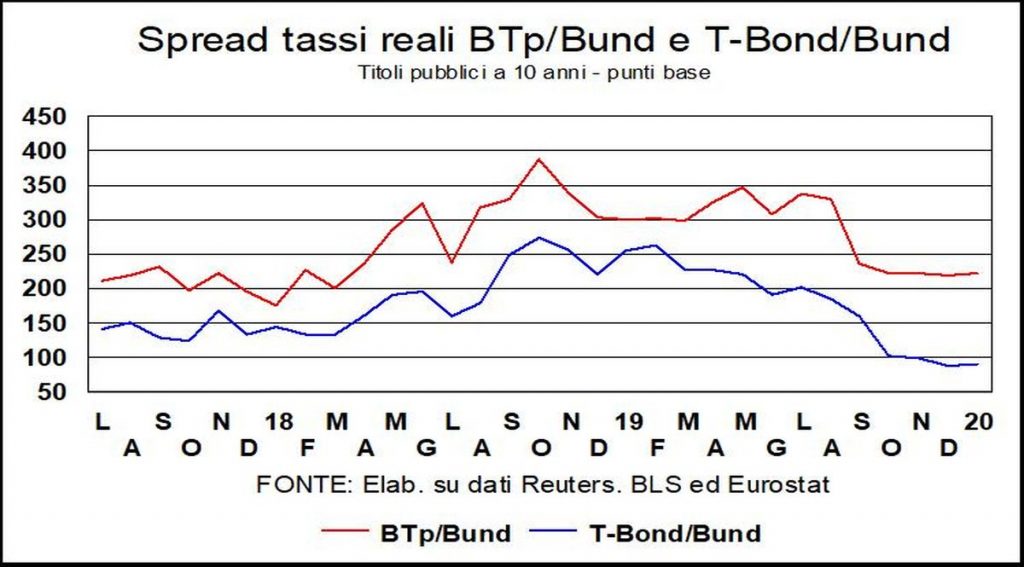
I 10-year real rates they are higher than the growth rate of the economy in Italy, a sign that the expansive policy of the ECB is denied by the tout court policy of the Roman palaces. Instead, they are lower – indeed, below zero – for both i Waist that for the T Bond: the economy thanks. Moving from levels to trends, the timid increase in nominal rates was transmitted, even more timidly, to real rates. Then the downward trend continues spread of real rates between T-Bond and Bund. A narrowing of the differential that makes the dollar is less attractive.
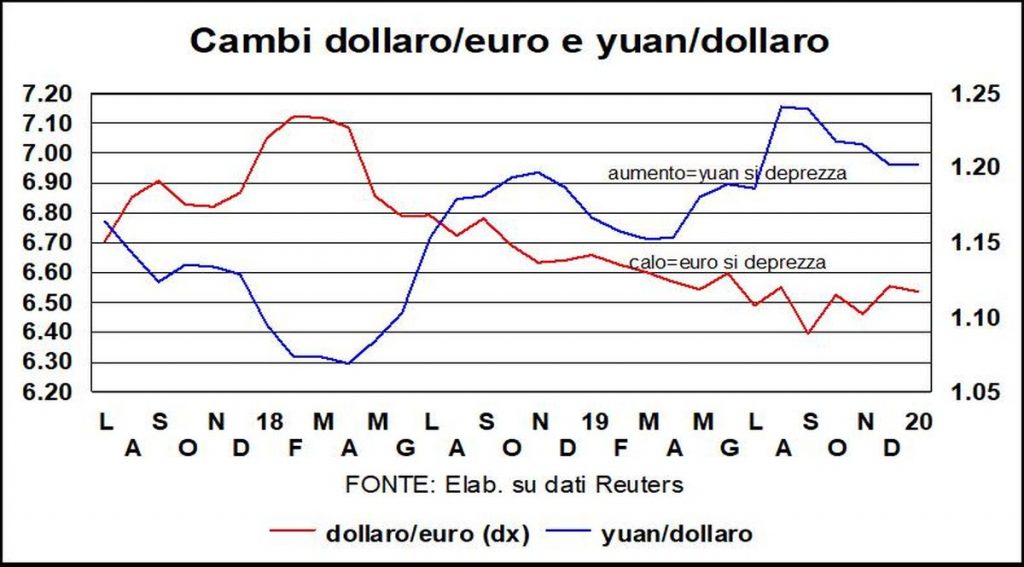
From the levels at the end of September, the US currency depreciated against the euro by about 2,5%, and by about the same amount against the chinese coin. In the latter case, it is always difficult to talk about market rates when looking at the Yuan, a currency which is heavily influenced by the more or less explicit 'invitation' of the 'People Bank of China'. The appreciation of the Yuan is related to the thawing of the tariff agreement: the Chinese do not want to do anything, in the currency field, which could hinder the path towards the signature.
I stock markets, especially in America, are in good health and ignore calls for caution, especially now that interest rates are showing signs of awakening from lethargy; but the global savings glut in search of yield has to go somewhere.