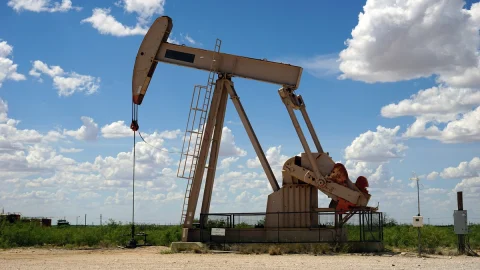
Le energy majors from all over the world are in the sights of large infrastructure investors that they see in them great opportunity while the sector is struggling with lower prices. Big names like BlackRock, Brookfield and Apollo, they are courting the major oil and gas companies, and, reports the Financial Times, in a closed-door meeting ahead of this month's Adipec energy conference in Abu Dhabi, the top brass of ExxonMobil, TotalEnergies, and BP, in addition to Eni were urged to give in a greater portion of their networks of pipelines, storage terminals and other assets to raise liquidity to be used elsewhere in their activities. The exchange values their gas pipelines, oil pipelines or other crude oil and gas distribution facilities, multiples very compressed: these assets trade around seven times earnings, while private buyers might be willing to value them 12 times, he says. FT.
"You need to rethink your capital approach," said one major, arguing that stock markets "aren't that receptive" to the sector. "You're trading at four to seven times earnings. What's wrong with selling your infrastructure assets at 10 to 12 times?" he asked. "Take the capital cheaply and reinvest it in your core business."
Saudi Aramco led the way
Saudi Aramco is among those who have embraced this trend, having concluded in August an $11 billion sale and leaseback agreement with Global Infrastructure Partners, owned by BlackRock, for the gas network of its Jafurah project in eastern Saudi Arabia and is reportedly evaluating other transfers, according to a source of FT close to the situation. “Why sit on such a large and profitable asset base?” the source said. “Many of the main sovereign funds and private funds They're frustrated because they can't get a piece of the pie in the Jafurah project, and the negotiation team has been inundated with offers. So they've been told to submit proposals. According to the source, Aramco hasn't yet determined how much it could sell, but such deals could potentially raise billions of dollars to support its budget and finance capital expenditures.
Abu Dhabi made the move in 2020 with a $20,7 billion gas pipeline deal with GIP, Brookfield, and Singapore's sovereign wealth fund, while Oman, Bahrain, and Kuwait have completed or are considering similar transactions. These deals signal a change of approach For state-owned oil companies, which have traditionally not sought to open up their operations to foreign capital. The Aramco deal has "unleashed a real wave of interest" from other state-owned oil groups and infrastructure funds looking for a piece of the action, said David Waring, head of energy for EMEA at Evercore.
Fossil fuel infrastructure has become more attractive to private equity groups as expectations grow that the transition to green energy will take longer than expected. Pipelines and other energy companies' assets, which generate steady revenues guaranteed by long-term contracts, are attractive to funds backed by insurance-backed pools seeking to deploy large amounts of capital and guarantee reliable returns. "They have tied-up insurance capital, which is long-term and cost-effective," said the head of an oil company's deals team. Large international oil companies (IOCs), however, are cautious, although they have begun closing deals in an attempt to balance their growth plans with shareholder demands for tighter balance sheets and a focus on dividends and share buybacks.
This year, the Shell sold its stake in the US Colonial pipeline to Brookfield in a deal that valued the business at $9 billion, while BP sold a stake in the Trans-Anatolian pipeline to Apollo for $1 billion. Waring speculated that the influx of money from infrastructure funds to state-owned oil companies would trigger a reaction from state-owned oil companies, which have often relied on more conventional financing. “Can CIOs afford to operate within the constraints imposed by the stock market, without considering more innovative solutions?” he asked.